
Drop and stack height describe different things
Drop is the difference between heel and forefoot stack height. Stack height describes how high the foot sits above the ground.
 HeelUpperToeMidsoleOutsole

These explanations come from individual reviews. Read them with that shoe’s context and sources.
Drop is the difference between heel and forefoot stack height. Stack height describes how high the foot sits above the ground.
Width is the space from side to side. Toe-box height is the space above your toes.
Weight depends on the measured size. Check the reference size and variant before comparing numbers.
Lace up snugly, then climb a few stairs or jog briefly. If your heel lifts or your foot slides, try a runner's knot and try it on again.
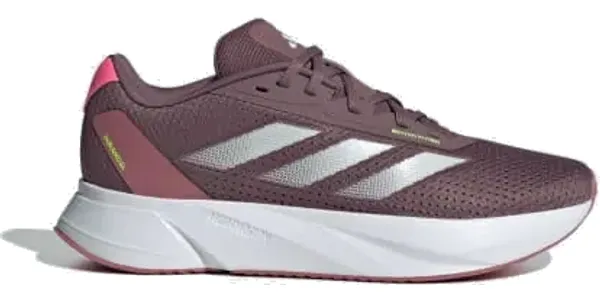
Review and sources: Duramo SL ↗adidas lists 247 g (IF9475) and 260 g (GV7124). Lift it against other pairs when you try it on in store.
Review and sources: Duramo SL ↗Codes GV7124 and IF9475 list different upper materials, outsoles and numbers. Match the code on the product page or shoe label to the pair you are buying.
Review and sources: Duramo SL ↗adidas states a 10 mm drop, but RunRepeat measured 14.2 mm and only 20.2 mm under the forefoot. When trying it on, stand and notice whether the heel feels clearly raised, then jog a few steps to feel how hard the forefoot lands, especially if you are a forefoot striker.
Review and sources: Ultraboost 1.0 ↗adidas lists 322 g and RunRepeat weighed 320 g. Lift it alongside other shoes when trying it on in the store.
Review and sources: Ultraboost 1.0 ↗SneakerLens says the upper is narrower than average at the ball of the foot, and that the most common fit complaint is a tight collar opening and pressure on the top of the foot. Lace it snugly and walk for a while. If it's snug but not painful, the knit usually relaxes after a few wears. If you have wide feet, compare half a size up.
Review and sources: Ultraboost 1.0 ↗Stack is how thick the sole is under the heel and forefoot; drop is the difference between the two. ID6307 lists 36 mm under the heel, 26 mm under the forefoot and a 10 mm drop; ID6305 lists 34 mm under the heel, 25 mm under the forefoot and a 9 mm drop. The numbers don't tell you how soft the shoe is, so try it on and walk and jog in it too.
Review and sources: Supernova GORE-TEX ↗Shoe weight changes with size. If weight matters to you, lift the shoe in your size in the shop and compare it with the pair you wear now.
Review and sources: Supernova GORE-TEX ↗Several sources mention a loose heel. When trying it on, lace snugly, then jog or walk up stairs. If the heel clearly lifts on every step, try another size or another shoe before deciding. People with narrow heels should check this carefully.
Review and sources: Ultraboost 5 ↗adidas lists a 38–39 mm heel stack and 28–29 mm forefoot, while RunRepeat measured 35.2 mm and 24.6 mm. The 10 mm drop matches across sources (RunRepeat measured 10.6 mm). Compare other shoes using figures measured the same way, then try them on to see whether you like the raised-heel feel.
Review and sources: Ultraboost 5 ↗adidas Thailand pages list 248 g and 292 g. Reviewers' own pairs weighed about 289–323 g. When comparing with other shoes, compare the same size, or hold them side by side when trying them on in store.
Review and sources: Ultraboost 5 ↗adidas lists a 9 mm drop, but RunRepeat measured 12.5 mm. If you currently run in low-drop shoes, start with short, easy runs and watch how your feet and calves feel before adding distance.
Review and sources: Supernova 3 ↗RunRepeat measured the stack at 18.2 mm under the forefoot and 30.7 mm under the heel, so most of the foam sits at the back. Jog on a hard floor when trying it on; if the forefoot feels harsh, it may not suit how you run.
Review and sources: Supernova 3 ↗adidas Thailand lists 273 g and RunRepeat weighed 274 g. In store, hold it against other shoes in the same size.
Review and sources: Supernova 3 ↗About 34 mm under the heel and 24 mm under the forefoot. RunRepeat says the heel is enough for occasional long runs, but the forefoot may feel slightly limited on long runs. If you land on your forefoot and run long often, run in it and see whether the forefoot feels harsh.
Review and sources: Ultrarun 5 ↗adidas lists 276–324 g depending on the men's/women's version. RunRepeat weighed 295 g and still calls it heavy. Compare other shoes at the same size, and lift them side by side when trying them in store.
Review and sources: Ultrarun 5 ↗The toe box is roomy (74.7 mm wide, 27.5 mm high), but only a Regular width is listed. When trying it on, wiggle your toes, check for side pressure across the forefoot and whether your heel lifts. If your feet are wide or swell on long runs, compare half a size up.
Review and sources: Ultrarun 5 ↗RunRepeat measured 31.2 mm under the heel, 21.8 mm under the forefoot and a 9.4 mm drop. The platform is not tall enough to feel wobbly, and RunRepeat sees it as suiting heel strikers. When trying it on, walk and jog to see if the roll from heel to toe feels natural.
Review and sources: Runfalcon 5 ↗It is 304 g at US 9. In a store, hold it against other shoes in the same size.
Review and sources: Runfalcon 5 ↗The forefoot has ample room for most feet, but the toe box tapers at the big toe (71.3 mm). Wiggle your toes to check for room, lace snugly and walk to make sure your heel doesn't lift as you step. If your usual size is tight across the forefoot, try half a size up.
Review and sources: Runfalcon 5 ↗Drop is the difference in sole thickness between heel and forefoot; stack height is how thick the sole is underfoot. Adidas Thailand's IG3321 page lists a 7 mm drop and its JI4481 page 6 mm, with other sources in between, so the drop sits at 6–7 mm and the heel stack at 34.5–38 mm. Neither number tells you whether the ride is soft or firm; for that, look at foam-hardness measurements or what people who ran in it say.
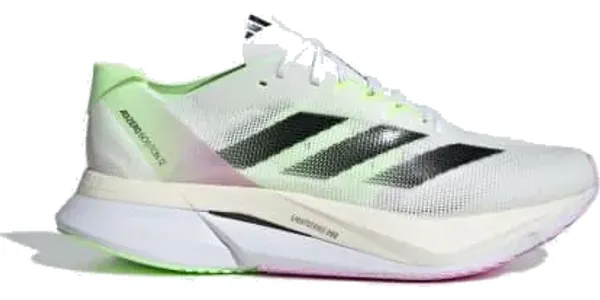
Review and sources: Adizero Boston 12 ↗RunRepeat measured the widest interior point above average, but the toe-box width exactly average and the toe-box height below average. So the forefoot may feel roomier at its widest point than at the toes, and the low toe box can press on top of your toes. Some owners found the toe box or the shoe narrow. When trying it on, lift and wiggle your toes.
Review and sources: Adizero Boston 12 ↗Shoe weight changes with size. Adidas Thailand's IG3321 page lists 260 g at UK 8.5, while OutdoorGearLab gives 9.95 oz per shoe in men's US 10.5. To judge the difference yourself, pick it up next to another shoe in your size when you try it in a shop.
Review and sources: Adizero Boston 12 ↗adidas lists a 10 mm drop for the men's shoe, RunRepeat measured 8.6 mm, and the adidas Thailand page lists 9 mm. If you're used to low-drop shoes, run in it to see whether you like the taller heel, especially if you'll run on dirt or grass.
Review and sources: Adizero SL ↗The heel stack is around 35 mm, but RunRepeat found the foam firmer than its hardness reading and heel shock absorption below average. Jog in it slowly and a bit faster to see whether you like this firmness.
Review and sources: Adizero SL ↗adidas's 241 g figure is for a men's US 9; RoadTrailRun weighed a US 11 at 277.8 g. In larger sizes, expect more than the listed weight.
Review and sources: Adizero SL ↗The sole is 23 mm thick under the heel and 13 mm under the forefoot, so the heel sits 10 mm higher. Have your child walk and run in the store and watch whether they move steadily and comfortably.
Review and sources: Tensaur Run ↗In the store, pick it up and compare it with other kids' shoes in the same size.
Review and sources: Tensaur Run ↗It comes in one width, Regular. When trying it on, fasten the straps snugly, then check that the heel stays in place while running.
Review and sources: Tensaur Run ↗Drop is the difference between the sole thickness under the heel and under the forefoot. Adidas pages list 9 mm (JQ7691) and 10 mm (IH2504); RunRepeat measured 9.5 mm against an 8.4 mm average across 486 running shoes. RunRepeat links this drop to heel strikers and says forefoot strikers may find it less appealing. Matt at Doctors of Running says the rear heel flare makes the drop feel slightly higher than the number. Drop describes the sole’s shape, not how soft it feels; when you try it on, notice whether the heel feels higher than in the shoes you usually wear.
Review and sources: Supernova Rise 2 ↗RunRepeat measured 33.5 mm under the heel against a 35.6 mm average across 486 running shoes, and Tom’s Guide notes that many daily trainers now have more than 40 mm under the heel. Tom’s Guide found this shoe gives more ground feel than max-cushioned shoes, especially under the forefoot. Sources give different stack figures, so compare ranges rather than exact millimetres.
Review and sources: Supernova Rise 2 ↗Adidas gives 275 g for a UK 8.5 on the IH2504 page, and Doctors of Running 274 g for a men’s US 9. When comparing weights, use figures for the same size and gender.
Review and sources: Supernova Rise 2 ↗34 mm under the heel, 23 mm under the forefoot, a drop of about 10 mm (Run-Evasion says 9 mm). If you usually wear low-drop shoes, walk and jog in the shop to see whether a heel this much thicker than the forefoot feels natural to you.
Review and sources: Supernova Stride 2 ↗Listed weights range from 225 to 278 g (278 g is EU 42). In the shop, hold it next to the pair you use now.
Review and sources: Supernova Stride 2 ↗Use your usual size for walking; for running, also try a larger size. Standard to slightly wide feet fit comfortably; with very narrow feet, check that your foot doesn't slide around once laced snugly.
Review and sources: Supernova Stride 2 ↗Response comes in regular width only, with no wide version, and width reports disagree. When trying it on, check that your toes can move, there's no side pressure, and your heel doesn't lift out of the shoe as you walk.
Review and sources: Response ↗adidas's pages for two product codes list different weights (268 g and 327 g). When you try it on in the shop, hold it against the running shoe you use now.
Review and sources: Response ↗The heel sits about 1 cm higher than the forefoot. If you usually wear shoes with similar heel and forefoot thickness, walk and jog a little in it to see whether it feels natural.
Review and sources: Response ↗Drop is the difference between heel and forefoot sole thickness. The spec says 6.5 mm, RunRepeat measured 8.1 mm, and adidas Thailand shows 6–7 mm depending on product code; all are mid-range. When trying it, jog a few steps and notice how your calves and Achilles feel compared with your current pair.
Review and sources: Duramo Speed 2 ↗RunRepeat measured 33.0 mm at the heel, enough protection without bulk, and 24.9 mm at the forefoot, below its lab average. With foam at 45.6 AC, thickness doesn't mean softness. When trying it, rock onto your forefoot and see whether you feel too much of the ground.
Review and sources: Duramo Speed 2 ↗Listed weights range from 230 to 277 g. The size-qualified figures are 270 g at UK 8.5 and about 269 g at men's size 9. Compare with other shoes only at the same size, or hold it next to your current pair in store.
Review and sources: Duramo Speed 2 ↗Drop is the difference between heel and forefoot sole thickness. This shoe sits around 10 mm (RTINGS measured 9.8 mm in a men's US 9), so the heel is clearly raised. 42k.tools sees it as suiting beginners who land on their heels. If you're used to lower-drop shoes, walk and jog in it first to see how it feels.
Review and sources: RUNFALCON 6 ↗adidas calls Cloudfoam ultra-soft, but RTINGS measured one of the firmest forefoots it has tested, with a very firm heel too. Walk on a hard floor and jog a little in the store. If it already feels harsh when you try it on and you want to run beyond 10K, look at models with softer foam.
Review and sources: RUNFALCON 6 ↗RTINGS found the length true to size but the toe box a bit low. When trying it on, wiggle your toes to check they don't press against the upper. If it's tight at the sides, trainingplan.dev advises choosing the wide version rather than sizing up.
Review and sources: RUNFALCON 6 ↗Even when the length fits, try spreading your toes and check pressure over the instep. If you're considering half a size up, walk down a slope and check that your heel stays in place.
Review and sources: Terrex Agravic 3 ↗Every source lists an 8 mm drop, yet Matt felt it closer to 5–6 mm, and testers felt the softness very differently. Judge softness by trying the shoe on for a run, not by the drop figure.
Review and sources: Terrex Agravic 3 ↗adidas lists 275 g in UK 8.5, while review outlets list around 290 g in men's US9. To compare with other shoes, use figures that state a size.
Review and sources: Terrex Agravic 3 ↗Labs measured the drop at 6.7–8.0 mm, and listed figures run from 6 to 9 mm. RTINGS felt it rides like a higher drop, likely due to the rocker shape. If you're used to low-drop shoes, take a short test run and notice how your calves and landing feel.
Review and sources: Adizero EVO SL ↗RunRepeat and RTINGS measured 36.1–36.9 mm at the heel and 28.1–30.2 mm at the forefoot (RTINGS in a men's US 9), and RunRepeat notes a narrow heel for that height. When trying it on, balance on one foot and run through a turn to see if the heel feels wobbly.
Review and sources: Adizero EVO SL ↗Mostly true to size, though some find it slightly short. Press for space in front of your toes, then lace the midfoot snugly; if your foot still slides forward, the size or shape may not suit you.
Review and sources: Adizero EVO SL ↗adidas and Runnea list a 5–6 mm drop, with 26–27 mm under the heel and 21 mm under the forefoot. These numbers tell you how thick the sole is, not how soft. When trying it on in a shop, stand and walk on a hard floor for a while and see whether this firm sole feels comfortable.
Review and sources: DURAMO RC2 ↗adidas lists 244 g and 206 g on its two product pages, Runnea lists 209 g, and RoxJourney lists about 270 g for a standard size. In the shop, pick it up and compare it with the pair you wear now, then walk for a while to see how light it feels on your feet.
Review and sources: DURAMO RC2 ↗Many reviews say it runs small, especially in width, and adidas offers only the regular width. Advice ranges from half a size to one size up, and some say they needed more. Try on your usual size and larger sizes, with the socks you actually use.
Review and sources: DURAMO RC2 ↗RunRepeat found extra space in the ball of the foot but limited toe splay. When trying it on, move and spread your toes even if the ball of the foot does not feel squeezed. This model comes in regular width only.
Review and sources: Adizero SL 2 ↗Adidas lists a 36 mm heel stack, but the same page gives two sets of forefoot and drop figures: one says a 27 mm forefoot and 9 mm drop, the other 26 mm and 10 mm. Drop is the heel-to-forefoot thickness difference, not softness, so run in the shoe to judge how the sole feels.
Review and sources: Adizero SL 2 ↗Adidas lists 238 g. When comparing models, compare weights for the same size.
Review and sources: Adizero SL 2 ↗Drop is the difference between heel and forefoot thickness. RoadTrailRun lists 6.5 mm, calls it moderate and says it suits heel, midfoot and forefoot strikers. If your current shoes have a very different drop, jog in these to see whether your calves and footstrike feel different.
Review and sources: Adizero EVO SL Shoes Woven ↗adidas lists 199 g and 236 g on two product codes. Review sites weighed 223 g in men's UK 8 and 261 g in men's US 10.5. To compare with other shoes, compare at a similar size, or hold them side by side in the store.
Review and sources: Adizero EVO SL Shoes Woven ↗The heel stack is about 36–39 mm, but RoadTrailRun says it compresses fairly firmly for a shoe of this height. Don't judge softness by the number: jog in it, and remember testers say the foam softens after a few runs.
Review and sources: Adizero EVO SL Shoes Woven ↗Women's specs are 36 mm under the heel, 28 mm under the forefoot and an 8 mm drop; men's are 36 mm under the heel, 30 mm under the forefoot and a 6 mm drop. When trying it, walk and jog to feel whether the heel is too firm for you. The drop number alone does not tell you what running the shoe suits.
Review and sources: Adizero Boston 13 ↗The 219 g in the table is the women's figure; RTINGS weighed a men's US 9 at 252.2 g. Compare with other shoes only at the same size and gender, or pick them up side by side in the store.
Review and sources: Adizero Boston 13 ↗The toe box tapers and the mesh does not stretch much. Lace it snugly, then check that your toes can move, the sides of your midfoot are not squeezed, and your heel does not lift on a short jog. For long runs in hot weather, Road Trail Run suggests staying at your usual size.
Review and sources: Adizero Boston 13 ↗Weights you will see range from 144 to 193 g because they cover different sizes and versions: 176 g is men's US 9, and RunRepeat lists 144 g for the women's version. Compare other shoes at the same size, or hold it next to your current training shoe when you try it on in store.
Review and sources: Adizero Adios 9 ↗Listed stack is 27–28 mm at the heel and 20–21 mm at the forefoot; labs measured similar or slightly less, with drop between 6.2 and 7.6 mm. RunnersLab's tester felt it more like a 4–6 mm drop. If you usually run in thick-soled shoes, start with short sessions so your legs can adjust.
Review and sources: Adizero Adios 9 ↗The toe box is tapered and the midfoot snug. RunRepeat measured plenty of room above the toes (27.5 mm), while RTINGS found limited vertical room in the forefoot. Lace up snugly and check whether your toes can move and whether the midfoot squeezes too much. Several sources suggest going up half a size, while some testers fit their usual size; try on both sizes if you can, and check the exchange policy before buying online.
Review and sources: Adizero Adios 9 ↗adidas lists a 6 mm drop, but labs measured 7–9 mm. RunRepeat says the geometry makes it feel like a 4–6 mm drop, and Doctors of Running felt it as 6 mm. If you are choosing between shoes, do not decide on drop alone; do a short fast run and see whether landing and toe-off feel smooth.
Review and sources: Adizero Adios Pro 4 ↗The heel stack is about 36.6–39.5 mm depending on the source, within World Athletics' 40 mm limit, but the heel base is only about 80–82 mm wide. RTINGS says the soft heel, narrow base and narrow arch area make its stability not very good. If you heel-strike, try a single-leg stand and a short run to see whether the heel wobbles.
Review and sources: Adizero Adios Pro 4 ↗Several sources say it runs about half a size small with a tapered forefoot, while some narrow-footed runners fit their usual size. When trying it on, press the toe of the shoe to check for space in front of the big toe, then check for pressure along its side and squeeze at the arch. For a marathon, pick the size where your toes never touch the front.
Review and sources: Adizero Adios Pro 4 ↗The heel sits on roughly 43–45 mm of sole and the forefoot on 36–39 mm, depending on the source, with almost no ground feel. The drop of about 6–7.5 mm only describes the slope. On try-on, jog a few steps to feel whether the heel landing is smooth or clunky and whether the tall platform feels steady.
Review and sources: HYPERBOOST EDGE ↗Measured weights run from 245.5 g in men's US 9 to 270 g in men's US 10.5, and 225 g in women's US 7.5. Compare against your current shoe at a similar size, or simply pick both up side by side in the store.
Review and sources: HYPERBOOST EDGE ↗The forefoot is roomy in width, but the toe box is low (24.8 mm per RunRepeat) and midfoot volume is low. On try-on, lift your toes to see if they hit the upper, then lace up snugly and check for pressure on top of the foot.
Review and sources: HYPERBOOST EDGE ↗Drop is the difference between heel and forefoot thickness. adidas Thailand lists 6 mm; RunRepeat measured the Galaxy 8 at 6.9 mm, and it feels like 6–8 mm on the run. That is a moderate figure that RunRepeat calls natural-feeling. If you are used to near-flat shoes, walk and jog in it next to your current pair.
Review and sources: Galaxy ↗RunRepeat and Solefeed both say this shoe is heavy. In the store, pick it up next to the running shoe you use now. If it feels clearly heavier and you want to run faster, look at a lighter model.
Review and sources: Galaxy ↗RunRepeat measured the upper at 97.5 mm at its widest, but only 70.8 mm across the toes. When you try it on, check more than length: make sure your toes can spread and the sides of your forefoot are not squeezed. The tongue is thin, so lace up snugly and check for pressure on the top of your foot.
Review and sources: Galaxy ↗Lace them snugly, then check whether the sides of your midfoot feel squeezed, whether your toes can move and whether your heel feels loose or slips out as you walk.
Review and sources: All Star Classic Trainer Suede ↗This shoe uses unisex sizing. Women should compare Converse's size chart and check the exchange policy before ordering online.
Review and sources: All Star Classic Trainer Suede ↗Read the page for your code, then walk in the store to judge how soft they feel.
Review and sources: All Star Classic Trainer Suede ↗RunRepeat measured the toe-box width at 66.5 mm where the big toe ends, about 10 mm narrower than the 75.3 mm average, while the widest part of the toe box measured 100.1 mm, close to the 99.1 mm average. So the widest part of the forefoot is not narrow, but the toe tapers quickly. When you try it on, check the tips of your big toe and little toe, not just whether the forefoot feels tight.
Review and sources: Chuck 70 Canvas ↗Converse Thailand's Chuck 70 Wide page (A10353C) says it is 1 cm wider than the standard model, only in the forefoot inside the shoe, with the same exterior. The size guide, writing about wide sizes in general, says they have more volume and a broader platform by about 15 mm at the ball and instep and 6 mm in bottom width. The two pages give different figures. If your forefoot is wide, try the standard and wide versions side by side before buying.
Review and sources: Chuck 70 Canvas ↗RunRepeat measured the OrthoLite insole at 13.9 mm, nearly three times the 4.9 mm average. It is removable, but RunRepeat advises against replacing it, because it basically works as the shoe's primary cushioning and follows the shoe's narrow, tapered shape, so some insoles will not fit properly. If you plan to use your own insoles, take them to the store and try them in this shoe before buying.
Review and sources: Chuck 70 Canvas ↗26.2 mm under the heel, 17.6 mm under the forefoot, an 8.6 mm drop. RunRepeat calls the heel stack moderate and the drop a little lower than average, but the softness comes mainly from the insole. When trying it on, walk on a hard floor in the store for a while; don't judge from the thickness numbers alone.
Review and sources: Chuck 70 Seasonal Color ↗RunRepeat weighed the men's US 9 High Top at 482 g and says it is light for a high-top. Compare with other pairs at the same height and size, or lift them side by side in the store.
Review and sources: Chuck 70 Seasonal Color ↗RunRepeat measured the toe box at 66.5 mm where the big toe ends, about 10 mm narrower than average. When trying it on, lace it snugly and check for pressure on your little toe and the sides of your foot, and whether your toes can move. Check the exchange policy too.
Review and sources: Chuck 70 Seasonal Color ↗RunRepeat measured the insole at 13.9 mm, nearly three times the 4.9 mm average. It comes out, but it is the main cushioning and follows the shoe's narrow, tapered shape. Tim of Reviewed says the thick insole pushes the foot up against the upper, making it feel snugger. If you plan to use your own insert, bring it to the try-on, because both cushioning and fit will change.
Review and sources: Chuck 70 ↗Stack height is how far your foot sits above the ground in the shoe. RunRepeat measured the canvas high-top at 26.2 mm under the heel and 17.6 mm under the forefoot, thinner than the averages of 30.4 mm and 19.4 mm. RunRepeat says that thin forefoot is why it noticed pebbles and bottle caps underfoot. Shock absorption is also low: 66 SA against an 87 SA average (higher absorbs more). If you walk on hard pavements for long periods, walk on a hard floor in it for a while before deciding.
Review and sources: Chuck 70 ↗RunRepeat measured the toe box at 100.1 mm at its widest, close to the 99.1 mm average, but only 66.5 mm where the big toe ends, about 10 mm narrower than average. This means the width across the ball of your foot may be fine while your toe tips get squeezed, so when you try it on, check whether your little toes and big toes get squeezed.
Review and sources: Chuck 70 ↗Converse advises half a size down, but some wearers stay true to size and others drop a full size. Converse Thailand's product page for the Grey pair lists whole sizes US 5–11 only: if you usually wear US 9.5, look at US 9; if you usually wear US 9, try on US 9 and US 8 side by side in the socks you will wear, and check toe room and side pressure separately.
Review and sources: Chuck Taylor All Star Canvas ↗GGR describes the sole as very flat, with minimal heel-to-toe drop and no heel lift. GGR sees that as good for deadlifts but no help with back squats; Shoebly says that because these are flat-soled sneakers, they offer no arch support. When trying them on, squat down and stand still for a while to see how your feet feel.
Review and sources: Chuck Taylor All Star Canvas ↗Converse lists a 2-inch (about 5.1 cm) platform. Try it on and walk around the store, including stairs if there are any, to see whether you feel confident.
Review and sources: Chuck Taylor All Star Lift Double Stack ↗A Lemon8 wearer found the back of the heel stiff enough to cause blisters at first. When trying it on, wear the socks you plan to use and notice any pressure or rubbing.
Review and sources: Chuck Taylor All Star Lift Double Stack ↗Converse Thailand lists OrthoLite, while the South African launch article names CX foam. If you want to know which one the pair on sale has, ask the staff or check the name printed on the insole when trying it on in store.
Review and sources: Chuck Taylor All Star Lift Double Stack ↗The platform adds roughly 2 inches (about 5 cm). Try them on and walk in the store to see whether the thick sole feels steady.
Review and sources: Chuck Taylor All Star Lift ↗ShopSavvy says it may feel heavier than a regular Chuck. Pick it up next to a classic Chuck or your current shoes in the store.
Review and sources: Chuck Taylor All Star Lift ↗It runs slightly big. Try your usual size and a half size down, and check whether the sides of your feet feel squeezed, since the fit is slightly narrow.
Review and sources: Chuck Taylor All Star Lift ↗The sole is nearly as thick under the heel as under the forefoot, so your foot sits close to the ground. If you usually wear shoes with a clearly thicker heel, walk around the store in them for a while to see if you like this feel.
Review and sources: Chuck Taylor All Star Malden Street ↗If you own Chucks, start with that size. Against other brands, SoleRacks suggests half a size down, but some find that too tight, and slightly wide feet don't need to size down. Try them on before deciding.
Review and sources: Chuck Taylor All Star Malden Street ↗The insole isn't removable. If you stand for long periods, stand still in the store for a while and notice how your arch feels.
Review and sources: Chuck Taylor All Star Malden Street ↗The sole is flat with no heel lift, which suits deadlifts and people who like their foot level with the ground. If you prefer squatting with a raised heel or are used to shoes with a thicker heel, walk around the store in them for a while before deciding.
Review and sources: Chuck Taylor All Star ↗48% of Zappos fit-survey respondents reported no arch support. If you use arch supports, bring them when you try these on; one reviewer added a pair and found the shoes good to go.
Review and sources: Chuck Taylor All Star ↗Converse recommends half a size down, but 63% of Zappos survey respondents found their usual size fit, and some needed a full size down. If you can, try both your usual size and half a size down, and check the exchange policy before buying online.
Review and sources: Chuck Taylor All Star ↗Converse says the midsole is a lightweight foam. In the store, hold it next to the pair you wear every day.
Review and sources: Chuck Taylor Lo ↗Stand and walk in the store for a while to see whether the foam and OrthoLite sockliner feel soft enough for days when you walk a lot.
Review and sources: Chuck Taylor Lo ↗Lace up snugly and walk to check that your heel stays in the padded collar and does not lift as you step.
Review and sources: Chuck Taylor Lo ↗Both 100wears and Work Wear Command say it runs large, close to the Chuck; for a snug fit, Work Wear Command suggests half a size down, while one 2016 Pantip comment advises sizing up. The clearest check is to try two sizes in the socks you actually wear, check toe room, and see whether your heel slips as you walk.
Review and sources: Jack Purcell Canvas ↗100wears puts the insole at about 3 mm and found it cheap-feeling, while a Thai wearer on Lemon8 says it is thicker and softer than in ordinary canvas sneakers. When trying them on, walk on a hard floor for a while and judge by how your own feet feel.
Review and sources: Jack Purcell Canvas ↗The layered rubber toe makes the front feel noticeably heavier than the rear when walking. 100wears says it won't wear your feet out but is a bit odd. Walk in them in the store for a while and see whether it bothers you.
Review and sources: Jack Purcell Canvas ↗It measures very narrow both at the widest interior point (85.4 mm) and in the toe box near the big toe (64.9 mm), while height above the toes is about average. When trying it on, focus on side pressure more than length, and compare your usual size with a larger one.
Review and sources: Run Star Trainer Stitched Suede ↗Heel stack is 17.2 mm, forefoot 13.7 mm, and drop just 3.5 mm, so your foot sits low and nearly flat. If you are used to thicker-heeled shoes, walk in them for a while in the store and notice your calves and ankles.
Review and sources: Run Star Trainer Stitched Suede ↗RunRepeat weighed it at 322 g, 18% below average. In the store, compare it in your hand with your current pair for a clearer sense.
Review and sources: Run Star Trainer Stitched Suede ↗RunRepeat measured the interior at its widest point at 85.4 mm, among the narrowest casual sneakers they have recorded, and 64.9 mm at the big toe. When trying it on, wiggle your toes and notice side pressure. If it pinches in the store, this sturdy suede upper does not give much, so compare a half size up or look for a model with a wider forefoot.
Review and sources: Run Star Trainer Suede ↗The heel stack is 17.2 mm and the forefoot 13.7 mm, so the drop is 3.5 mm. The heel stack is 42% below the average RunRepeat measures. Your foot sits close to the ground with the heel barely raised, and your ankles and calves work a little harder. Walk around the store for a while to see whether you like this feel.
Review and sources: Run Star Trainer Suede ↗RunRepeat weighed it at about 322–333 g, fairly light for a sneaker. Hold it next to other pairs in the store to compare.
Review and sources: Run Star Trainer Suede ↗RunRepeat measured the interior width at the widest point at 85.4 mm and toe-box width near the big toe at 64.9 mm, both narrower than average, and the nylon does not stretch much. Try your usual size against half a size and one size up, lace snugly and check whether the sides of your foot are squeezed.
Review and sources: Run Star Trainer ↗The sole is 17.2 mm under the heel and 13.7 mm under the forefoot, a 3.5 mm drop, with no midsole; the insole provides all the cushioning. Walk on a hard floor in the store for a while, especially if you are used to thick-soled shoes.
Review and sources: Run Star Trainer ↗RunRepeat gives two weights, 322 g and 333 g. Compare it in your hand with your current pair when you try it on in store.
Review and sources: Run Star Trainer ↗When you try them on in a store, lift them to compare their weight with the sneakers you usually wear.
Review and sources: Star Player 76 Canvas ↗SoleFeed says the OrthoLite insole helps comfort, but it still has a flatter Converse feel. Walk around the store for a while. If you need all-day support, plan on adding an insole or choosing another model.
Review and sources: Star Player 76 Canvas ↗Start with your usual size. Check that your toes can move, the sides don't press, and the collar doesn't rub your heel or Achilles, since several high-top owners found a stiff rim early on.
Review and sources: Star Player 76 Canvas ↗Stand and walk in them in the store for a while. If the sole feels too flat, try your preferred insole in them or look at a more supportive model.
Review and sources: Star Player 76 ↗If you usually size down in Chuck Taylors, try your normal size first and check whether your toes can move and whether your heel slips.
Review and sources: Star Player 76 ↗The Star Player 76 comes in heavyweight canvas, leather, suede and terry cloth, each with a different feel. Check the material and style code on the product page for the colourway you want.
Review and sources: Star Player 76 ↗Wiggle your toes and check the sides are not squeezed; wide feet should try a pair on before buying.
Review and sources: Weapon ↗Lift it against your current casual pair, then walk around the store for a while.
Review and sources: Weapon ↗Keep it on for a while when trying it, and if your feet run hot, think about long walking days too.
Review and sources: Weapon ↗Crocs Thailand offers M7 to M13 in all three colours, and Amazon US says it runs large. If you're between sizes, try the smaller one first; if your feet are very wide, try both your usual size and one size up and compare.
Review and sources: InMotion Flip ↗Amazon US lists it as waterproof, while Amazon UK and Germany list it as not water resistant. If you'll get them wet often, ask the shop to confirm before buying, and take care on wet floors.
Review and sources: InMotion Flip ↗Crocs says the footbed is soft enough for the heel to sink in; some wearers find it stable, others wobbly. When you try them on, stand and walk for a while to see whether the softness suits you and whether your foot rocks or slides.
Review and sources: InMotion Flip ↗Adjust both straps first, then walk for a while. A Lemon8 wearer says to consider staying true to size or even sizing up. If your feet are narrow, you can try on a size down, but make sure the straps don't press. If you'll wear socks, bring them to the fitting.
Review and sources: Saturday Sandal ↗Crocs says this sandal is lightweight. In the store, lift it next to the sandal you wear now.
Review and sources: Saturday Sandal ↗Crocs says the men's version is designed for men's feet and the women's version for women's feet. Try on the version you actually plan to buy before deciding.
Review and sources: Saturday Sandal ↗Stand naturally without pushing your foot into the toe. Your heel should not go over the dotted foot outline on the insole.
Review and sources: Baya Clog ↗Walk for a while and check whether your heel slips or lifts, then pull the strap behind your heel. If it only feels secure with the strap and you want to wear it without, try a smaller size and compare.
Review and sources: Baya Clog ↗About 3 in 4 reviewers say length and width are true to size; the rest find it large, small, wide or narrow. If your feet fall between two sizes, try on both and compare.
Review and sources: Baya Clog ↗Pull the heel strap back and stand with your weight on it. If your toes touch the front, try the next size up. Crocs advises sizing up if you are between sizes.
Review and sources: Bayaband Clog ↗Walk around for a while and notice whether the sides of your forefoot feel squeezed. If they do even when the length is right, try on the Classic Clog, which is roomier throughout, for comparison.
Review and sources: Bayaband Clog ↗Check that both shoes carry the same printed size. Buy from a trusted shop and keep proof of purchase. If the heel band or side band comes off early, try a warranty claim before gluing it yourself.
Review and sources: Bayaband Clog ↗Walk with the strap behind your heel; if your big toe hits the front, try a size up. Then fold the strap forward and take quicker steps; if your heel slips out, plan to use the strap or try a smaller size. PackStack suggests your regular size without the strap and a size up with the strap behind the heel.
Review and sources: Classic Clog ↗RTINGS measured 22.6 mm under the heel and 15.1 mm under the forefoot, a 7.5 mm drop. This only tells you how much higher the heel sits; to judge softness, stand on a hard floor in the shoe for a while.
Review and sources: Classic Clog ↗PackStack lists about 318 g per pair in size M6/W8, and 300–450 g per pair across sizes. When comparing with other shoes, check the size and whether the figure is for one shoe or a pair.
Review and sources: Classic Clog ↗There are no half sizes, and several Zappos reviewers went half a size to one and a half sizes below their usual US size. Try both your usual size and a smaller one with your work socks. If the larger size lets your foot slip, Wear Duke suggests rotating the heel strap or adding supportive insoles (orthotics).
Review and sources: Bistro Work Clog ↗If you have a high instep or high arches, put on socks, try them on and walk around. Check whether the upper grips the top of your foot, the midfoot feels tight, or your socks get pulled down.
Review and sources: Bistro Work Clog ↗Crocs states it is tested to ASTM F2913-24, certified to ASTM F3445-24 and CE, and meets or exceeds EN ISO 20347:2012 at OB, SRC. If your workplace requires a standard, check the standard name on the shoe's label before buying.
Review and sources: Bistro Work Clog ↗Crocs Europe sells paired sizes from 34-35 to 42-43: for example, 34-35 is one size that covers both EU 34 and 35. If you fall between two, try both and check that your toes can move and your heel doesn't slip out as you walk.
Review and sources: Baya Platform Clog ↗In the store, lift them next to the clogs you already own, then walk around to see whether the extra height makes you feel unsteady.
Review and sources: Baya Platform Clog ↗A Lemon8 reviewer says they've heard others recommend sizing down for a snugger fit or up for more room, especially with thick socks. Try them on with the socks you plan to wear.
Review and sources: Baya Platform Clog ↗Crocs lists a 47 mm (1.9 in) heel. If you usually wear flat sandals, walk in it for a while and see whether you feel steady and whether too much weight shifts onto the front of your foot. If walking feels awkward, look at other Brooklyn styles with a lower or higher heel.
Review and sources: Brooklyn 4U Cross Strap Sandal ↗33% of reviewers say it feels wide. When you try it on, walk back and forth a few times and check whether your foot slides under the crossed straps and whether the heel strap holds your heel.
Review and sources: Brooklyn 4U Cross Strap Sandal ↗Crocs lists 1.6 in (41 mm) from the ground to the heel rest. A sole this thick makes you look taller; one wearer says you walk a little slower on lots of stairs than in the regular Classic. When trying it on, walk up and down a few stairs.
Review and sources: Classic Platform Clog ↗In the crocs.com poll 64% say the length is true to size, but 28% say it feels small. Start with your usual Crocs size and check that your foot can move, your toes don't hit the front and your heel doesn't lift much. If you wear thick socks or have long toes, try on one size up to compare.
Review and sources: Classic Platform Clog ↗Two wearers say it doesn't feel heavy despite the thick sole. When you try it on in a shop, lift it next to a shoe you wear often.
Review and sources: Classic Platform Clog ↗Sizing is roughly true, so start with your usual size. Adjust the Quick-Stick strap to a snug fit, then check that your heel and toes sit fully on the footbed without hanging over.
Review and sources: Trakk II Leather Toe-Post Sandals ↗Walk around the shop for at least a few minutes and check whether the strap between your big toe and second toe rubs or presses painfully. If it hurts while trying them on, look at sandals without a toe strap.
Review and sources: Trakk II Leather Toe-Post Sandals ↗FitFlop calls this model's midsole Microwobbleboard Supercushioned. Walk on a tiled or concrete shop floor, compare it with the sandals you wear now, and see whether the cushioning and stability feel right to you.
Review and sources: Trakk II Leather Toe-Post Sandals ↗Press the sole under the heel and forefoot, then stand with your full weight and notice how much the sole gives under your foot.
Review and sources: iQUSHION Pool Slides ↗When trying them in store, compare the weight in your hand with the pair you already wear.
Review and sources: iQUSHION Pool Slides ↗About 1/4 inch of lift is barely any, so your foot sits almost level like most flats. If you are used to sneakers with a thicker heel, walk in it for a while to see how your calves and heels feel.
Review and sources: Delicato Bow Soft Leather Ballet Flats ↗Hold the toe and heel and bend the sole by hand. The wearer says this shoe is quite flexible; if you want a stiff sole under the forefoot, compare it with a stiffer pair in the shop.
Review and sources: Delicato Bow Soft Leather Ballet Flats ↗It comes in medium (M) only. Check both side pressure and gaps at the edges; if you are between sizes, the brand suggests sizing up.
Review and sources: Delicato Bow Soft Leather Ballet Flats ↗Wearers disagree on sizing, and one reviewer notes there are no half sizes. If your foot length falls between two sizes, try both and check that your heel stays in as you walk.
Review and sources: Delicato Leather Mary Janes ↗One reviewer found the sides bowed out as the sole flexed. When trying them on, walk several steps and look down to see whether the side edges stay close to your foot.
Review and sources: Delicato Leather Mary Janes ↗ShopSavvy's summary says early wear may cause minor blisters, especially on the heel, and one reviewer found them a bit narrow. When trying them on, check for rubbing at the heel and whether the sides of the forefoot feel squeezed.
Review and sources: Delicato Leather Mary Janes ↗FitFlop makes this as a wide fit. If your feet are narrow, try your usual size against one size down. If your feet are wide, try them on before buying.
Review and sources: X Keith Haring Gen-FF T-Bar Sandals ↗Set the hook-and-loop strap snugly, walk for a while, and check that your heel stays put and the padded heel strap does not rub.
Review and sources: X Keith Haring Gen-FF T-Bar Sandals ↗The brand makes the slip-resistant rubber outsole for country paths and light trails. Think about whether the routes you will walk most are like these.
Review and sources: X Keith Haring Gen-FF T-Bar Sandals ↗Lace up snugly and walk for a while. If your heel slips out as you walk or your foot slides forward, try one size down.
Review and sources: X Keith Haring The Dash FF ↗FitFlop says the midsole is ultra-light. Lift it next to another leather sneaker when you try it on in store.
Review and sources: X Keith Haring The Dash FF ↗When you try them on, stand and walk for a while and notice whether your arch and heel feel supported enough. If not, see “What to check on try-on, and what to compare”.
Review and sources: Gracie Leather Fisherman Sandals ↗Try them on and check that the sides of the forefoot don't pinch and your heel doesn't slide.
Review and sources: Gracie Leather Fisherman Sandals ↗The strap uses an adjustable buckle. Fasten it snugly before you walk in them, so you can tell whether your foot stays put.
Review and sources: Gracie Leather Fisherman Sandals ↗FitFlop Thailand's product page says this model runs small, and FitFlop recommends choosing the larger size if you are between sizes. It is a slip-on with no adjustable strap, so try it on and check that your heel doesn't hang over the back and your toes don't go past the front.
Review and sources: Iqushion Sparkle ↗This model is average width, and the straps are shaped to hold the sandal on. If you have wide feet, check whether the straps press on the sides or top of your foot.
Review and sources: Iqushion Sparkle ↗FitFlop says the sole is very light. In the shop, lift it next to the flip-flops you wear now, then press the sole under the heel and forefoot, where the brand places its impact pillows.
Review and sources: Iqushion Sparkle ↗Walk on a hard floor for a while and check whether the toe post rubs between your toes and whether the front strap presses anywhere on top of your foot. Nothing on this model adjusts, so if it isn't comfortable when you try it on, you can't fix it later.
Review and sources: Lulu Flower Toe-Post Sandals ↗Reviews say it fits true to size or slightly large. If you're between two sizes, try both and check that your heel sits on the footbed properly without too much room behind it.
Review and sources: Lulu Flower Toe-Post Sandals ↗The top of the sole, where your foot rests, is contoured to the foot and has an arch support. Stand and walk for a while to check that it sits right under your arch without pushing or pressing on any one spot.
Review and sources: Lulu Flower Toe-Post Sandals ↗Try your usual size and half a size down side by side. Check that your toes reach the post comfortably and the footbed does not run far past your toes.
Review and sources: Lulu Leather Toe-Post ↗It is a slip-on. When trying it on, check that your foot slides all the way in without the strap holding it back, and do not buy a tight pair hoping it will give.
Review and sources: Lulu Leather Toe-Post ↗Make sure all your toes sit on the footbed, not over the edge. Most Zappos survey respondents found the width right, but one wearer with a wide-ish forefoot had two small toes hang over the edge, and another found their toes hanging off the sides.
Review and sources: Lulu Leather Toe-Post ↗Walk on a smooth floor and down a few stairs. If you feel steady and your foot doesn't slide forward, the height suits you.
Review and sources: Platfforms Espadrille Leather Wedge Cross Slides ↗Only the front cross straps hold your foot, so walk for a while and check that your heel stays on the footbed and the straps don't press or rub on top of your foot.
Review and sources: Platfforms Espadrille Leather Wedge Cross Slides ↗FitFlop says these are lightweight. In the shop, lift them against other wedge sandals to see how they compare.
Review and sources: Platfforms Espadrille Leather Wedge Cross Slides ↗FitFlop lists 75 mm; the editor writes 72 mm, so think roughly 7–7.5 cm. Stand and take a few stairs in the shop to see how you handle the height.
Review and sources: Platfforms Wedge Toe-Post Sandals ↗It's a slip-on. When trying them on, check the toe post doesn't dig between your toes and the toe-bar holds your foot so it doesn't slide as you walk.
Review and sources: Platfforms Wedge Toe-Post Sandals ↗Available in UK 3–9 in the women's standard width. Check FitFlop's size chart before ordering, and check whether the shop lets you exchange sizes.
Review and sources: Platfforms Wedge Toe-Post Sandals ↗Lift it next to the sneakers you already wear. The Woman&Home editor calls it one of the lightest pairs they have owned, and it is lighter in reality than it looks in photos.
Review and sources: Rally Leather ↗Sizes run UK 3–9, including half sizes. Wide-footed buyers should try them on first.
Review and sources: Rally Leather ↗Try them on with low-rise socks, then walk to check that your heel stays put and the edge doesn't rub.
Review and sources: Rally Leather ↗Hold them next to the sneakers you usually wear. The reviewer found them noticeably lighter than adidas Stan Smiths and said the nylon makes them incredibly light.
Review and sources: Retro-Q Ff Fabric/Suede ↗Walk around the store for a while. The reviewer found the sole springy and not chunky, but people used to minimalist shoes may find it chunky.
Review and sources: Retro-Q Ff Fabric/Suede ↗The reviewer's usual size fitted perfectly but felt a little small, perhaps because their feet were swollen from the heat. Try your usual size and half a size up, and check your toes can move in both.
Review and sources: Retro-Q Ff Fabric/Suede ↗The impact pillows sit under the forefoot and the heel. When you try the sandals on, take several steps on a hard floor and see whether both areas feel soft enough for long walking days.
Review and sources: Solay Glossy-Disc Toe-Post Sandals ↗The arch support should line up with your arch, and the post should not rub between your toes. FitFlop says the footbed shape means your toes do not need to grip as much. When you try it on, take several steps and notice whether your toes are still gripping.
Review and sources: Solay Glossy-Disc Toe-Post Sandals ↗It may run slightly small. If you are between sizes, try both and check that your heel and toes stay on the footbed.
Review and sources: Solay Glossy-Disc Toe-Post Sandals ↗In the shop, lift it next to the sandals you wear now and look at the sole thickness from the side.
Review and sources: Solay Mixed-Crystal Toe-Post Sandals ↗Walk for a while and check whether the post rubs between your toes and whether the strap holds your foot without pressing.
Review and sources: Solay Mixed-Crystal Toe-Post Sandals ↗13 reviewers on the UK page average 3.2 out of 5 for fit, roughly true to size. If your feet are wide or have a high instep, try a pair on before buying.
Review and sources: Solay Mixed-Crystal Toe-Post Sandals ↗RunRepeat measured the toe box width at 106.4 mm, wider than the 101.9 mm lab average, but Mountaineer Journey felt a standard midfoot and heel. If the regular is tight through the midfoot, try the wide. If your shoes usually pinch only at the toes, you can start with the regular, because the toe box is already wide.
Review and sources: Targhee III Waterproof Mid ↗Drop is about 12 mm, near average, but softness depends on both sole thickness and hardness. RunRepeat measured a sole thinner than average and much firmer than average. If you're used to thick, soft soles, stand and walk on a hard floor in them for a while before deciding.
Review and sources: Targhee III Waterproof Mid ↗Live For The Outdoors lists 514 g per boot at UK 8.5, and OutdoorGearLab gives about 1.08 kg per pair at US 11. Weight changes with size, so compare with other boots at the same size.
Review and sources: Targhee III Waterproof Mid ↗Drop is the difference between sole thickness under the heel and under the forefoot. KEEN lists a 24 mm heel stack, 12 mm higher than the forefoot. If you usually wear shoes with similar heel and forefoot thickness, walk on flat ground and slopes to see whether it feels natural.
Review and sources: Targhee EXP Waterproof Hiking Boot ↗KEEN lists 390 g (women's product page); review publications list 518 g. In the shop, compare it in hand with other boots in your size.
Review and sources: Targhee EXP Waterproof Hiking Boot ↗The forefoot is roomy but can't be adjusted with the laces, and the heel counter is quite shallow. Lace through every hook, walk up a slope to check for heel lift, and see whether the forefoot feels too loose.
Review and sources: Targhee EXP Waterproof Hiking Boot ↗KEEN lists a 4 mm drop on both colour pages. Drop is the difference between sole thickness under the heel and under the forefoot. It only tells you the heel sits slightly higher than the forefoot; it says nothing about how thick or soft the sole is, or which activities it suits. To judge softness, read the wearer reports in the sole section.
Review and sources: UNEEK II Open-Toe ↗KEEN lists a Heel Height of 18 mm and a Shaft Height of 65 mm in the product details, but does not explain what they measure from and to. So 18 mm should not be read as the sole thickness under the heel, and neither number should be used to compare with other shoes.
Review and sources: UNEEK II Open-Toe ↗KEEN lists 7.94 oz, or 225 g, per shoe on both colour pages without saying which size was weighed. Shoe weight changes with size, so this number cannot be compared reliably with other models whose weight is given for a stated size.
Review and sources: UNEEK II Open-Toe ↗Walk around and check whether your toes touch the front and whether your heel slips out with each step. If your toes touch the front, try a larger size. For the report that it runs small, see the size section.
Review and sources: Shanti Clog ↗KEEN lists the men's version at a 22 mm heel stack and 9 mm drop, and the women's at 31 mm and 13 mm. Both have a clearly thicker sole under the heel than under the forefoot; stand and walk in it to see if that feels comfortable.
Review and sources: Shanti Clog ↗KEEN lists 170 g for men's and 129 g for women's. In the shop, pick it up alongside other clogs to compare.
Review and sources: Shanti Clog ↗Drop is the difference in sole thickness between heel and forefoot. KEEN's women's product page lists 9 mm. If you're used to flat sandals, stand and walk for a while when you try it on and see whether you like the heel sitting higher than the forefoot like this.
Review and sources: UNEEK O3 Sneaker Sandal ↗The Yahoo! News Expert article gives about 257 g at US 9 (27 cm), and umaburo says 257 g per shoe. Weight changes with size, so if you compare it with other shoes, compare at the same size.
Review and sources: UNEEK O3 Sneaker Sandal ↗The men's version on KEEN US comes in US 7–14 and one width only, Regular, with no wide option. Some reviews say it runs narrow, while umaburo, who has wide feet, found it snug. If your feet are wide, try half a size up as well and check that your little toe isn't pressed by the side cords.
Review and sources: UNEEK O3 Sneaker Sandal ↗KEEN's weights are per shoe and change with size. When comparing with other shoes, compare at a similar size and per single shoe.
Review and sources: Shanti Arts Clog x Us 4 IRIOMOTE ↗KEEN lists a KEEN.CURVE Propulsion feature in its product data. Two reviewers say the curve is noticeable but mild, while one says it was not for them. Walk on a hard floor for a while, notice whether your stride feels comfortable or your feet rock too much, then decide.
Review and sources: WK500 ↗One customer on the women's version had their heel come out every step and another found them hard to tie tight, while a reviewer with a narrow heel reports no problems. Tie the laces snugly and walk up and down stairs to see whether your heel lifts.
Review and sources: WK500 ↗Many wearers praise the wide toe box, but two customers on the women's version found them tight, including one who wears another KEEN style in the same size. Start with your usual size, wiggle your toes and check the sides do not squeeze; if it feels tight, try half a size up.
Review and sources: WK500 ↗The women's page lists a 37 mm heel stack and 12 mm drop; the men's pages list a 20 mm heel stack and 7 mm drop. When trying it on, look at the sole from the side and notice whether the heel feels clearly raised above the forefoot.
Review and sources: Jasper Rocks ↗KEEN lists 340 g on both the men's and women's pages. In the store, pick it up next to the pair you wear now.
Review and sources: Jasper Rocks ↗SoleFeed lists true to size with a roomier fit, while KEEN describes a snug, foot-following shape. Cinch the bungee first, then check that your toes can move, the sides don't squeeze and your heel stays put as you step.
Review and sources: Jasper Rocks ↗Pull the bungee all the way and walk down a slope or twist your foot sideways. If your heel or midfoot still moves, your foot may be too narrow or low-volume for the single cord. If it's tight at the sides, try the wide version (available in men's).
Review and sources: Newport H2 Sandal ↗RunRepeat and Advnture found it runs slightly small, while OutdoorGearLab found it true to size. Make sure your longest toe doesn't touch the rubber toe cap and your toes can still spread. If you'll go sockless, try it barefoot.
Review and sources: Newport H2 Sandal ↗Reviewers' figures run about 330–401 g per sandal, heavier than typical sandals and close to a light hiking shoe. Hold it against the pair you wear now, then bend the sole: it's stiff for a sandal but can flex more than some hiking shoes.
Review and sources: Newport H2 Sandal ↗Drop is the difference in sole thickness between heel and forefoot. 7 mm is mid-range: the heel sits slightly higher than the forefoot.
Review and sources: UNEEK PLT ↗380 g, as listed by KEEN. When trying it on, hold it next to the shoes you wear most.
Review and sources: UNEEK PLT ↗Walk around in it, then check that your toes can move, the sides do not press and the heel does not lift.
Review and sources: UNEEK PLT ↗Try them on with the socks you'll actually wear and check that your toes don't touch the front. If you're between sizes, try both.
Review and sources: UNEEK PLT Mary Jane ↗KEEN lists 374 g. When trying them on in the store, lift one next to a pair you own.
Review and sources: UNEEK PLT Mary Jane ↗When trying them on, walk plenty of steps to see whether the thicker sole suits your stride.
Review and sources: UNEEK PLT Mary Jane ↗The men's page describes a snug, contoured fit; the women's page describes a roomy forefoot. Lace up snugly, then check that your toes can spread, the sides don't squeeze and your heel doesn't lift as you walk.
Review and sources: KS Mino ↗Pick it up and compare its weight with the pair you wear now, then walk on a hard floor in the store for a while to judge whether the foam is enough for long walking days.
Review and sources: KS Mino ↗The EVA insole has arch support and is removable. If you use your own orthotic, bring it to the store and try it in the shoe.
Review and sources: KS Mino ↗The heel stack is 18 mm and the sole under the heel is 7 mm thicker than under the forefoot. When trying it on, walk on a hard floor in the store for a while and decide whether you like this ground feel or want a thicker, softer sole.
Review and sources: Jasper ↗KEEN lists 358 g without stating the size; hinata.me lists about 464 g per shoe (men's) and 370 g per shoe (women's). If weight matters, compare it in your hand against your current pair when trying it on in store.
Review and sources: Jasper ↗The shape is fairly narrow. KEEN recommends going up 0.5 cm; with thick socks hinata.me suggests going up 1 cm. Try it on with the socks you'll actually wear and check the toes, the sides and the heel.
Review and sources: Jasper ↗Pull the heel strap forward and hook it around the bungee, walk a lap as a slide to see whether your foot slips out easily, then switch back to the heel strap and see whether switching is easy.
Review and sources: UNEEK II Convertible ↗Wiggle your toes to see whether they can spread comfortably, then set the bungee tighter and looser and notice whether the cord upper presses anywhere on top of your foot.
Review and sources: UNEEK II Convertible ↗If you usually wear flat sandals, walk around the store for a while and notice whether the heel sitting 7 mm higher than the forefoot feels different from your current pair.
Review and sources: UNEEK II Convertible ↗KEEN lists 449 g (15.84 oz) on the men's product page; lift it next to another pair in the same size when you try it on. Separately, the Mid tester found it lighter and less clunky than past Targhee versions.
Review and sources: Targhee EXP Waterproof ↗Turn the shoe over when you try it on. KEEN says the 4 mm multi-directional lugs are there for traction, and the Mid tester found the outsole super grippy on loose, rocky trails and wet descents. If your routes often look like that, this is a strength.
Review and sources: Targhee EXP Waterproof ↗The Original Fit has generous forefoot room for toe splay. When you try it on, lace it all the way up and check that your toes can spread, your heel doesn't lift on an incline, and the material under the tongue doesn't bunch on top of your foot.
Review and sources: Targhee EXP Waterproof ↗KEEN lists an 18 mm heel stack and 4 mm drop for the women's version. These keep the foot close to the ground and nearly flat. Walk on a hard floor for a while to see whether this thin a sole suits your feet.
Review and sources: UNEEK ↗238 g is KEEN's figure for the women's version. Pick it up next to other pairs when trying it on in a store. OutdoorGearLab's women's review says it feels surprisingly light.
Review and sources: UNEEK ↗The Girl Outdoors wearer suggests a full size up; Reviewed.com's writer went a half size up and it fit just right. It comes in medium width only. Try both your usual size and a half size up, and check your toes don't touch the front.
Review and sources: UNEEK ↗Drop is the difference between sole thickness under the heel and under the forefoot. This sandal lists 4 mm, so the heel sits only a little higher than the forefoot. The sole itself is thin, so you feel the ground clearly but still get some support.
Review and sources: Clearwater CNX ↗Shoe weight changes with size. Only compare figures given for the same size, or lift pairs side by side in the shop.
Review and sources: Clearwater CNX ↗OutdoorGearLab calls the fit fairly narrow. Pull the cord snug, then check whether the shoe squeezes the sides of your foot, whether your toes and ankle feel loose, and whether the heel strap presses on your heel or ankle bone.
Review and sources: Clearwater CNX ↗When trying it on, stand and walk on a flat floor for a while. If the forward tilt feels uncomfortable, try a shoe with less height difference between heel and forefoot for comparison.
Review and sources: Jasper Zionic ↗Solefeed suggests starting true to size if you have wider feet, and also trying half a size down if you are narrow or between sizes. If you plan to wear thick socks, bring them to the fitting, and check the exchange policy before buying.
Review and sources: Jasper Zionic ↗KEEN calls the leather waterproof, but the shoe has open vents. OutdoorGearLab found the cloth-lined insole got soggy and dried slowly. If you need a quick-drying water shoe, this one does not meet that need.
Review and sources: Arroyo II ↗The lugged sole wobbles a bit more than the Newport H2's flatter design, and the foot sits higher than in the original Arroyo. Walk on uneven ground or a slope to check it feels stable enough for the paths you will use.
Review and sources: Arroyo II ↗Pull the laces snug and walk down a slope. If the heel lifts or the foot slides forward, compare half a size down. The tester found the elastic laces stretch under stress instead of locking off, and two buyers say their heel still slipped out after changing size.
Review and sources: Arroyo II ↗Merrell lists 375 g per shoe. Weight changes with size, so when you try them in a store, pick up your size and compare it with the shoes you wear now.
Review and sources: Jungle Moc Leather 2 ↗The midsole is EVA foam with an Air Cushion in the heel. Stand and walk in them for a while and see whether the sole feels soft enough for the hours you stand each day.
Review and sources: Jungle Moc Leather 2 ↗Style 39618M is the regular width; the Wide Width version is a separate product. If the regular width squeezes at the sides, try the wide one. Edward found 9 and 9.5 too narrow, and a 9 W finally worked.
Review and sources: Jungle Moc Leather 2 ↗Review figures are per pair, such as 580 g in US 8.5. When comparing, match the size and check whether it is per shoe or per pair, or hold the shoes side by side when trying them on.
Review and sources: Siren Edge 3 ↗The heel sits 11 mm higher than the forefoot. If you are used to flat shoes, walk up and down a ramp in the shop to see whether it feels natural.
Review and sources: Siren Edge 3 ↗The lugs are 3.5 mm and closely spaced, while the Merrell Moab 2 has 5 mm lugs. They are good on hardpacked dirt and dry rock, but they cake up in mud. If your trails are often muddy, look for deeper, more widely spaced lugs.
Review and sources: Siren Edge 3 ↗Heel and forefoot sit level on 13 mm of sole. If you usually wear shoes with a thicker heel than forefoot, walk around in them in the store for a while and see whether you like the level heel and the thin sole.
Review and sources: Wrapt Mid Waterproof ↗Wear the socks you will hike in and loosen the laces first because the opening is snug. Then check that your toes can move, the sides of your foot are not squeezed and your heel does not lift as you walk.
Review and sources: Wrapt Mid Waterproof ↗There is visible arch support inside. If you want a completely flat barefoot footbed, this is the point to confirm by trying them on before buying.
Review and sources: Wrapt Mid Waterproof ↗Drop is the difference in sole thickness between heel and forefoot. Outdoor Life considers 11.5 mm a high drop. When trying it on, walk up and down a slope, check that you feel steady going downhill, and notice how different it feels from your usual shoes.
Review and sources: Moab 3 ↗OutdoorGearLab weighed a size 14 pair at 1.1 kg, a figure for a large size. Compare other shoes at the same size, or pick them up side by side in the store.
Review and sources: Moab 3 ↗Wear your hiking socks, lace up snugly, and check that your toes can move, the sides don't pinch and the ankle collar isn't loose. If the regular width is tight at the sides, try the wide version for comparison.
Review and sources: Moab 3 ↗Drop is the difference between sole thickness under the heel and under the forefoot. Merrell lists 11.5 mm for the Moab 3 Waterproof, and the spec table in Treeline Review's review of the Mid version gives 31.7 mm under the heel and 20.5 mm under the forefoot, so the heel sits clearly higher. The number alone does not tell you what activity it suits; walk up and down a ramp in the store and see whether your calves and heels feel natural.
Review and sources: Moab 3 Waterproof ↗Merrell lists 480 g (men's) and 370 g (women's). OutdoorGearLab weighed 1.02 kg per pair at men's US 11, among the heavier shoes in its review. When comparing with other shoes, match the size and check whether a figure is per shoe or per pair.
Review and sources: Moab 3 Waterproof ↗Mountaineer Journey calls 5 mm lugs standard for most hiking shoes. BetterTrail says the tight lug spacing extends sole life on rocky ground, but the outsole can cake up in heavy mud. OutdoorGearLab says the lugs are not deep enough for loose surfaces. If your usual trails are heavy mud or loose dirt, compare with shoes that have deeper, more open lugs.
Review and sources: Moab 3 Waterproof ↗Merrell weighs a single shoe: 160 g for the men's, 125 g for the women's. When you try it on, hold it next to your current shoes; the difference is clearer than the number.
Review and sources: Hut Moc 2 ↗Reports differ on whether to size up or stay at your usual size. Try both your usual size and half a size up, walk for a while, and check that your toes can move and your heel stays in place.
Review and sources: Hut Moc 2 ↗The outsole is EVA with no rubber lugs and suits dry surfaces. If you often walk on wet ground, compare it with shoes that have a rubber outsole with tread.
Review and sources: Hut Moc 2 ↗Drop is the difference in sole thickness between heel and forefoot. Merrell lists 10 mm, but RunRepeat measured 13.9 mm, which matches the hiking boot average. RoadTrailRun calls 10 mm a fairly high drop next to Topo and HOKA at 5 mm. If you are used to low-drop shoes, walk up and down a ramp before buying.
Review and sources: Moab Speed 2 Mid GORE-TEX® ↗Advnture gives 400 g per boot, 193 g lighter than the Moab 3 Mid GTX. Bigger sizes weigh more, so compare figures in the same size, or hold the boots side by side when trying them on in the store.
Review and sources: Moab Speed 2 Mid GORE-TEX® ↗RunRepeat measured the inside of the standard width at 91.4 mm at the widest forefoot point and considers it rather close-fitting. When trying it on, check for side pressure on the forefoot and whether your toes can move. If it feels tight, try the wide version Merrell makes for men and women.
Review and sources: Moab Speed 2 Mid GORE-TEX® ↗Wear hiking socks, lace normally, and walk up and down a ramp or stairs. If your heel lifts, cinch the ankle using the double top eyelets. If it still slips, try another shoe.
Review and sources: Moab Speed 2 GORE-TEX® ↗The sole is 34 mm thick under the heel and 24 mm under the forefoot, so the heel sits 10 mm higher. If your usual shoes have a lower drop, walk on a ramp in the store and see whether you feel steady.
Review and sources: Moab Speed 2 GORE-TEX® ↗RoadTrailRun weighed a women's US 9 at 323 g per shoe. When comparing with other shoes, match the size and check whether the figure is per shoe or per pair.
Review and sources: Moab Speed 2 GORE-TEX® ↗Drop tells you how much higher the heel sits than the forefoot, not how soft the shoe is. Merrell lists 10 mm; RunRepeat measured about 15 mm. If you are used to low drop, walk up and down a slope in it to see whether it feels comfortable.
Review and sources: Moab Speed 2 ↗Larger sizes weigh more than smaller ones, as OutdoorGearLab notes for its size 14. When comparing with other models, use weights in the same size, or hold them side by side when trying them on.
Review and sources: Moab Speed 2 ↗Trail & Kale rated heel lockdown good rather than exceptional and prefers heel-lock lacing on steeper terrain. When trying it on, walk down a slope and check whether your heel lifts or your foot slides into the front, both before and after heel-lock lacing.
Review and sources: Moab Speed 2 ↗The heel sits 13.5 mm higher than the forefoot, a drop slightly above the hiking-shoe average. If you usually wear low-drop shoes, walk up and down a slope when trying it on and see whether your ankles and calves feel natural.
Review and sources: Speed Strike 2 ↗Shoe weight changes with size and width. To compare with another shoe, compare at the same size, or pick both pairs up side by side in the store.
Review and sources: Speed Strike 2 ↗The toebox height (the internal height of the toe box) is a very generous 33.0 mm, while the width at the big toe is medium (73.3 mm). RunRepeat says the tongue is not attached at the sides, which makes the fit a bit more relaxed. Lace it snugly before deciding and check that your heel does not lift as you walk.
Review and sources: Speed Strike 2 ↗34 mm under the heel and 24 mm under the forefoot puts the heel 10 mm higher. It says nothing about softness. If you are used to shoes with similar heel and forefoot thickness, walk up and down a slope in them when you try them on.
Review and sources: Speed Strike 2 Waterproof ↗Merrell lists 410 g (men's) and 340 g (women's); Coast & Fell gives around 330 g per shoe (men's) and says the low weight keeps legs fresher over a long day.
Review and sources: Speed Strike 2 Waterproof ↗It comes in one width only, standard (M), with a snug fit. Lace it snugly, then check for side pressure on the forefoot, whether the heel feels loose or lifts when walking uphill, and toes hitting the front on a downhill slope.
Review and sources: Speed Strike 2 Waterproof ↗Merrell lists 29 mm at the heel, 21 mm at the forefoot and an 8 mm drop, but RunRepeat measured a 12.1 mm drop and OutdoorGearLab 11 mm. At the heel, the two labs measured 37–37.7 mm, about 8–9 mm more than listed. RunRepeat says this drop suits heel strikers but feels awkward for midfoot and forefoot strikers. If you land midfoot or forefoot, jog a few steps in the shop to see whether it feels forced.
Review and sources: Nova 4 ↗Merrell lists 261 g, while a US men's 9 is around 269–275 g according to Believe in the Run and Alastair Running, and OutdoorGearLab weighed about 318 g per shoe in a US men's 10.5. Compare other shoes at the same size, or pick them up side by side in the shop.
Review and sources: Nova 4 ↗Both Believe in the Run testers found the fit loose. When trying it on, lace it snugly and walk down a slope. If your foot slides forward, try heel-lock lacing first. Michael Loutzenheiser thought his loose fit may simply have been a sizing issue, and suggests that if you normally have to size down in some shoes, it may be worth trying a half size down.
Review and sources: Nova 4 ↗Lace snugly and walk up an incline. If your heel lifts, try the additional eyelet first, then try another size.
Review and sources: Agility Peak 6 ↗RunRepeat found the forefoot narrows sharply and the toebox height is below average. At the try-on, spread your toes and check for side or top pressure, even if the midfoot already feels right.
Review and sources: Agility Peak 6 ↗Merrell lists an 8 mm drop, but RunRepeat measured 11.5 mm and found the ride feels high-drop. If you are used to a low drop, take a short test jog before deciding.
Review and sources: Agility Peak 6 ↗Merrell lists weight per shoe: 315 g for men's and 260–265 g for women's. Bigger sizes weigh more. Compare with shoes also listed per shoe, and pick them up side by side when you try them in store.
Review and sources: Jungle Trek Mule ↗The midsole has FLEXconnect grooves that let the sole flex in two directions. When you try them on, flex the shoe by hand and walk a few steps to see whether the sole bends the way you like.
Review and sources: Jungle Trek Mule ↗The PU footbed comes out. If you use your own insoles, bring them along and check there's still enough room over the top of your foot.
Review and sources: Jungle Trek Mule ↗The heel stack is about 28 mm, below average by RunRepeat's measure, so your foot sits close to the ground and feels stable, but the sole absorbs less impact than a thick-soled shoe. The listed 8 mm drop measured 8.8–9.4 mm in labs. When trying it on, stand and walk on a hard floor for a while to see whether this much sole is enough for you.
Review and sources: Cloud 6 ↗On lists about 266 g per men's shoe and 215 g per women's shoe. When trying it on, hold it next to the pair you wear now. Several testers say it feels light and agile.
Review and sources: Cloud 6 ↗Toe-box width is average but toe-box height is above average. Wiggle your toes, check for side pressure, and walk briskly to see whether your heel lifts. If it's tight at the sides, try on the Wide version; if your foot slides, adjust the elastic-lace knots or use the regular laces included.
Review and sources: Cloud 6 ↗On lists a 7 mm drop; RunRepeat measured 8.9 mm, with 30.4 mm under the heel and 21.5 mm under the forefoot, above the average it compares against. These numbers do not decide gym versus running use. Squat, stand on one leg and walk in them; if the heel feels too built up or the sole tippy, compare a lower training shoe.
Review and sources: Cloud X 4 ↗RunRepeat weighed a men's US 9 at 268 g. When you try it on in a store, compare it in your hand with your current pair in the same size.
Review and sources: Cloud X 4 ↗The inside width measures as standard, but internal volume is low and there is no wide version. Lace snugly, then check midfoot pressure and room for your toes to move. If the midfoot is tight, try half a size up and check that your heel still feels secure, and check the exchange policy before buying.
Review and sources: Cloud X 4 ↗Men's figures run from about 269 g to 299.8 g depending on the size weighed. Road Trail Run lists about 278 g for a men's US 9 and weighed 299.8 g for a men's US 11, Alastair lists 269 g for a men's US 9, and RunRepeat weighed 271 g without stating the size. For women, Road Trail Run weighed a US 9 at 248 g and RunRepeat's brand-spec table lists 221 g. Compare with another shoe only at the same size and sex. Testers also feel the weight differently: some call it heavy for a speed shoe, while Jeff says it runs lighter than it looks.
Review and sources: Cloudflow 5 ↗Drop is the difference in sole thickness between heel and forefoot. Road Trail Run, Fleet Feet and Alastair list an 8 mm drop (36 mm under the heel, 28 mm under the forefoot); RunRepeat measured 4.1 mm and says the brand states 6 mm. RunRepeat explains that midfoot and forefoot strikers may feel a higher drop than the number because of the sole's curved shape. Judge by how the heel feels on a test run rather than by one number.
Review and sources: Cloudflow 5 ↗RunRepeat measured the toe box at 77.2 mm wide, wider than average, but only 24.5 mm high above the toes, lower than average. Testers range from spacious to tight. When you try it on, wiggle your toes to check side room and press on the upper to see whether it sits on top of your toes. RunRepeat notes the insole is removable; if you replace it, choose a thinner one.
Review and sources: Cloudflow 5 ↗Drop is the heel-to-forefoot height difference. On lists 6 mm, but RunRepeat measured 9.1 mm (35.5 mm under the heel, 26.4 mm under the forefoot). If you are used to low-drop shoes, walk in it and see whether the heel feels too high.
Review and sources: Cloudhorizon ↗RunRepeat weighed a US 9 at 312 g, while Jory's size 12 weighs 13+ oz (about 370 g); bigger sizes weigh more. In the shop, lift it alongside other hiking shoes in the same size.
Review and sources: Cloudhorizon ↗The upper does not stretch and there are no wide sizes. Lace up snugly, then check toe movement and side pressure. If your feet are wide or you plan long descents, also try the half size up.
Review and sources: Cloudhorizon ↗RunRepeat measured the shoe’s interior at 98.5 mm wide against a 95.2 mm average across 363 running shoes, but the big-toe area measures 74.5 mm, close to average, and the toe-box height of 25.3 mm is well below the 27.0 mm average. When you try it on, check both the sides and the tops of your toes, and lace up snugly before deciding.
Review and sources: Cloudmonster 2 ↗On lists 300 g. For a men’s US 9, Solereview lists 295 g and Believe in the Run 300 g. RunRepeat weighed it at 292 g, above the 261 g average across 486 running shoes, and calls it on the heavier side even for a maximalist shoe. When comparing with other shoes, use figures for the same size.
Review and sources: Cloudmonster 2 ↗RunRepeat measured 37.9 mm under the heel (35.6 mm average) and 31.3 mm under the forefoot (27.2 mm average) across 486 running shoes. It measured the drop at 6.6 mm, below the 8.4 mm average, and calls it a medium drop (On lists 6 mm). Stack tells you how much sole sits under your foot, not how soft it is: this shoe is thick, yet several sources find it firm, so walk and jog in it yourself before buying.
Review and sources: Cloudmonster 2 ↗On lists 6 mm and labs measured 6.4–7.3 mm, but Doctors of Running, a heel striker with Achilles tendinopathy, felt a lower or even negative drop as the weight moved to the forefoot, because the forefoot pods don't compress. On a test jog, notice whether your calf and Achilles feel more stretched than in your usual shoes.
Review and sources: Cloudmonster 3 LN1 ↗On lists 35 mm at the heel and 29 mm at the forefoot, and labs measured more, but RunRepeat found the foam very firm and the CloudTec cavities make it less cushioned than similarly tall shoes. Stand and walk on a hard floor when trying it on and judge by feel, not the number.
Review and sources: Cloudmonster 3 LN1 ↗On lists 295 g. RTINGS weighed 296.6 g at US 9, and RoadTrailRun weighed 333 g at US 11. Compare other shoes at the same size, and pick up pairs side by side in the store.
Review and sources: Cloudmonster 3 LN1 ↗Drop is the height difference between heel and forefoot. On lists 6 mm; RunRepeat measured 6.4 mm and calls it moderate. Because the heel pods compress more than the forefoot ones, Doctors of Running found it feels lower than listed. When trying it on, jog a little and notice whether the heel sinks more than the forefoot and whether your calves feel more stretch.
Review and sources: Cloudmonster 3 ↗The stack is higher than an average running shoe: RunRepeat measured 38.6 mm at the heel and 32.2 mm at the forefoot. But the foam reads 49.9 on the Asker C scale, and RunRepeat says the hollow CloudTec pods make it less cushioned than shoes of similar height. If you are used to soft high-stack shoes, try them on side by side on the same day.
Review and sources: Cloudmonster 3 ↗RTINGS weighed a men's US 9 at 296.6 g, and RunRepeat calls it heavy by today's standards. To compare with other shoes, use weights at the same size, or hold them side by side in the store. RTINGS says the weight shows most when you speed up or late in a long run.
Review and sources: Cloudmonster 3 ↗On lists a 14 mm drop and RunRepeat measured 12.4 mm, so the heel sits clearly higher than the forefoot. If you usually wear flat shoes, walk around the store for a while and see whether you like the forward tilt.
Review and sources: Cloudnova 2 ↗RunRepeat weighed 320 g in a men's US 9, heavier than the average walking shoe. In the store, hold it next to the shoes you wear now and walk a lap to see whether it feels heavy.
Review and sources: Cloudnova 2 ↗The inside is standard D width with a rounded toe box. Lace it snugly, then check whether the midfoot pinches, whether your toes can move, and whether your heel lifts when you climb stairs.
Review and sources: Cloudnova 2 ↗Reviewers describe a flat sole that is stable enough for training with lots of movement. Stand on one leg, bend your knee and step sideways. If it feels wobbly or your foot slides, compare another size or model.
Review and sources: Cloudpulse 2 ↗Start with the size guidance on the product page, then lunge or squat as if under load. If your toes hit the front, try a larger size.
Review and sources: Cloudpulse 2 ↗ShoesTrace calls this shoe lightweight. If weight matters to you, pick it up alongside other training shoes in the store and compare.
Review and sources: Cloudpulse 2 ↗Drop is the height difference between the sole under your heel and under your forefoot. If your current shoes differ a lot from 6 mm, do a few short runs first, then build up distance.
Review and sources: Cloudrise Cyclon 1.1 ↗The 283 g figure comes from On's women's product page, and no size is given. Compare it in your hand against the pair you use now.
Review and sources: Cloudrise Cyclon 1.1 ↗On rates cushioning, responsiveness and stability as medium. If your current pair is very plush or built purely for speed, this one sits between the two.
Review and sources: Cloudrise Cyclon 1.1 ↗Drop is the difference in sole thickness between heel and forefoot. This shoe is listed at 8 mm, but labs measured 8.1 mm (RunRepeat) and 5.5 mm (RTINGS). If your current pair has a very different drop, walk and jog in both and see how different they feel.
Review and sources: Cloudrunner 3 ↗Labs measured 35.3–36.8 mm under the heel, which RunRepeat calls moderate, but the foam is firm (43.6 AC). When trying it on, stand and walk on a hard floor for a while. If it feels firm in the shop, don't expect it to soften much: Lindsay from Believe in the Run wore it for a long stretch and it got only marginally softer.
Review and sources: Cloudrunner 3 ↗Men's US 9 weighs about 295–299 g (RTINGS, RoadTrailRun, Alastair Running). Compare other shoes at the same size, and lift it alongside your current pair when trying it on.
Review and sources: Cloudrunner 3 ↗RunRepeat measured the drop at -0.6 mm, so heel and forefoot are almost equally thick (Runnea's table says 7 mm). If you usually train in shoes with a higher heel, run in these at a track session before racing.
Review and sources: Cloudspike Amplius 2 ↗RunRepeat measured 18.2 mm under the heel and 18.8 mm under the forefoot, below the 20 mm limit in place since 2024, and On lists it as race legal. If your event checks shoes, confirm that event's rules too.
Review and sources: Cloudspike Amplius 2 ↗RunRepeat weighed 162 g; Runnea lists 157.3 g. When comparing with other spikes, check that the weights are for the same size.
Review and sources: Cloudspike Amplius 2 ↗Drop is the difference between the sole's thickness under the heel and under the forefoot. Most sources list 9 mm. RunRepeat measured 10.4 mm, above the 8.4 mm average, but calls it a common setup for daily trainers, while Annie and Andrea felt it was lower than 9 mm. Drop doesn't tell you how thick or soft the sole is. If you're used to low-drop shoes, start with short runs.
Review and sources: Cloudsurfer 2 ↗The brand specs give 32 mm under the heel and 23 mm under the forefoot. RunRepeat measured 37.5 mm and 27.1 mm and believes the brand leaves out the 4.5 mm insole. The measured heel figure is a little above the 35.6 mm average. When comparing with other shoes, use figures from the same source measured the same way.
Review and sources: Cloudsurfer 2 ↗Men's US 9 weighs 255 g according to Doctors of Running and Believe in the Run; men's US 9.5 weighs about 266 g according to Tom's Guide and The Run Testers. Compare with other shoes at the same size, since larger sizes usually weigh more. RunRepeat still places it in the lightweight daily-trainer category, even though it is heavier than its predecessor.
Review and sources: Cloudsurfer 2 ↗On lists an 8 mm drop, but RunRepeat measured 14.0 mm because the heel stack came in at 40.8 mm rather than the listed 34 mm. The number shows how much the platform tilts forward. When trying it on, jog with your normal landing; if you feel pushed forward uncomfortably, this model may not suit you.
Review and sources: Cloudsurfer Trail 2 ↗RunRepeat measured the toe box at 70.4 mm, a strong taper, with a 26.0 mm toe-box height the lab found well balanced. RoadTrailRun's tester calls the toe box shallow; wearing a women's US 7.5 instead of the usual US 8, the tester found it a bit short and suggests half a size longer if you are between sizes. When trying it on, lace it snug the way you would for a run and wiggle your toes to check for splay room and space above.
Review and sources: Cloudsurfer Trail 2 ↗For the men's US 9, sources quote 281 and 287 g. RunRepeat cites an official 254 g but weighed its test pair at 283 g. When comparing with other shoes, use the same size, men's against men's, and measured weight against measured weight.
Review and sources: Cloudsurfer Trail 2 ↗Drop is the difference between heel and forefoot sole thickness. On lists 7 mm; RunRepeat measured 8.7 mm. The number alone does not decide what activity it suits. When trying it on, notice whether walking feels more tipped forward than in your current shoes.
Review and sources: Cloudtilt ↗RunRepeat measured 35.5 mm under the heel and 26.8 mm under the forefoot, about 5 mm thicker than average at the forefoot. The wide base helps stability, but the heel counter is soft; when trying it on, walk some turns and on a slope to check it feels steady enough.
Review and sources: Cloudtilt ↗RunRepeat weighed it at 266 g, while Run To The Finish lists about 300 g for the men's version. When trying it on in a store, lift it against the pair you wear now.
Review and sources: Cloudtilt ↗Walk around the store for a while and check that your toes can move and the sides do not squeeze. For choosing a size, see the fit section.
Review and sources: Cloudtilt Moon ↗ShoesTrace says it feels light when worn. In the store, lift the shoe next to the pair you wear now.
Review and sources: Cloudtilt Moon ↗ShoesTrace describes the cushioning as cloud-like and comfortable for long wear without fatigue. Walk on a hard floor in the store for a while to see whether it feels soft enough for days when you walk a lot.
Review and sources: Cloudtilt Moon ↗RunRepeat measured shoe width at 93.4 mm (below average), toebox width at 72.4 mm and toebox height at 29.0 mm. If your feet are wide, try the shoe on and check that your toes can spread and the sides of your feet are not squeezed; generous height above the toes does not add width.
Review and sources: Cloudultra 3 ↗RunRepeat weighed men's US9 at 278 g per shoe; Road Trail Run reported Kurt's US10/EU44 at 316 g per shoe. Compare against other shoes at a similar size, and do not average the two figures.
Review and sources: Cloudultra 3 ↗RunRepeat measured 32.1 mm heel stack, 26.7 mm forefoot stack and a 5.4 mm drop (On lists 6 mm); it is far from max-stack. These numbers do not describe softness, so run in it alongside a familiar shoe to see whether you like a firm feel like this.
Review and sources: Cloudultra 3 ↗This shoe has a Speedboard for extra stability. When trying it on, slide hard side to side and go up on your toes to check the sole feels steady and doesn't wobble.
Review and sources: The Roger Adv Z5 ↗On says the sole is plush and bouncy. Walk around the shop for a while and compare it with your current pair to see whether this bounce suits you for everyday wear.
Review and sources: The Roger Adv Z5 ↗Lace it the way you will actually wear it, then walk and move quickly. If your heel slips out or your foot slides inside, adjust the laces or try another size before buying.
Review and sources: The Roger Adv Z5 ↗The drop figures span about 2 mm (7 to 9.1 mm). RunRepeat says the gap between the official 8 mm and its measured 9.1 mm is hardly noticeable. When you try it on, stand in it next to your current shoes and compare how raised the heel feels, rather than relying on one figure.
Review and sources: The Roger Pro 2 ↗The 29.2 mm heel and 20.1 mm forefoot stack are average, but part of the forefoot stack is hard rubber. Hop lightly and split-step in the store; if the forefoot feels harsh, the stack numbers will not make it softer.
Review and sources: The Roger Pro 2 ↗407 g is a men's US 9; about 431 g is a men's 10.5. To compare with other shoes, use weights at the same size, or pick them up side by side in the store.
Review and sources: The Roger Pro 2 ↗Lace it snugly, then check whether your toes can spread, whether the outer edge and midfoot feel pressure, and whether your heel lifts as you step. The fit is close; if you usually wear wide shoes, try it on before buying.
Review and sources: The Roger Pro 3 ↗Judge softness or firmness when you try it on: stand still first, then move side to side and stop a few times.
Review and sources: The Roger Pro 3 ↗This is the weight On lists for men's US 10.5. To compare, hold it against your current court shoe in the same size. On says it is 10 g lighter than the Roger Pro 2.
Review and sources: The Roger Pro 3 ↗Drop is the difference between sole thickness under the heel and under the forefoot. This shoe has a 10 mm drop; RunRepeat measured 10.1 mm, above the 8.4 mm average, and sees it as better suited to rearfoot strikers while workable for all runners. Version 2 had an 8 mm drop. Drop doesn't tell you how thick or soft the sole is. If you're used to low-drop shoes, start with short runs to see how different it feels.
Review and sources: Deviate NITRO 3 ↗RunRepeat measured the toe box at 69.7 mm wide (average 73.2 mm) and 24.6 mm high (average 27.0 mm), below average on both counts. When trying it on, check both side pressure at the little toe and pressure on top of the toes. If the problem is on top, a longer size may not help: RunRepeat says sizing up won't give you more room inside.
Review and sources: Deviate NITRO 3 ↗When comparing weight with other shoes, compare at the same size. In the shop, lift it against the pair you run in now.
Review and sources: Deviate NITRO 3 ↗Drop is the difference between the sole thickness under the heel and under the forefoot; sole thickness tells you how much shoe sits under each part of your foot. Drop doesn't tell you whether the foam is soft or firm. If you land on your midfoot or forefoot, check on a test jog whether the heel gets in the way.
Review and sources: Velocity NITRO 4 ↗Interior width, toe-box width and the upper's height above your toes are three different measurements. RunRepeat measured all three below its lab averages. Most testers felt the narrowness at the midfoot more than at the forefoot. When you try it on, check for pressure on the sides of the midfoot and for the upper pressing on top of your toes.
Review and sources: Velocity NITRO 4 ↗Sources give weight at different sizes. When comparing with other shoes, use figures at the same size, or pick them up side by side when you try them on in a shop.
Review and sources: Velocity NITRO 4 ↗PUMA states a 38 mm heel and 30 mm forefoot stack with an 8 mm drop; RunRepeat's cut-in-half measurement gave 33.6 mm heel, 26.6 mm forefoot and a 7.0 mm drop. That is lower than PUMA states, and RunRepeat says it feels lower than 38 mm on the run. None of these numbers tells you whether the foam is soft or firm; how the forefoot feels on a test run tells you more.
Review and sources: Deviate NITRO 4 ↗RunRepeat measured 22.7 N to flex it to 30 degrees, a very high figure. It shows how hard the shoe is to bend, not whether you'll like it; David (men's shoe) and Andrea (women's shoe) of Doctors of Running felt it differently, so test-run it to see whether it suits how you land and push off.
Review and sources: Deviate NITRO 4 ↗PUMA lists 250 g at UK 8. Measured on a scale, RTINGS got 244.4 g (men's US 9) and RunRepeat 247 g; other figures in the reviews are printed spec weights. When comparing with another shoe, compare at the same size.
Review and sources: Deviate NITRO 4 ↗In the store, lift it against the shoes you wear now and walk for a while to see whether it feels heavy on your legs. RoutineRig wore it for a full day without that heavy-legged feeling.
Review and sources: Softride Enzo 5 ↗The front is wide, but one wearer says there is no room for thick socks. Try it with the socks you will use and check that your toes can move without your foot sliding. If your feet are very narrow, lace up snugly (the webbing tightens around the midfoot with the laces), then see whether your foot still slides around.
Review and sources: Softride Enzo 5 ↗Softness that feels great for walking can feel different under a barbell. If you plan to lift, squat down in the store and see whether your foot still feels stable. If you plan to run, jog a few steps in the store to see whether you like this grounded, plush, less bouncy feel.
Review and sources: Softride Enzo 5 ↗PUMA describes a comfortable moulded footbed.
Review and sources: Leadcat 2.0 ↗Make sure your toes and heel stay within the sole and the strap is not too tight across the top of your foot. If buying the V version online, allow for possibly needing one size up and check the exchange policy.
Review and sources: Leadcat 2.0 ↗PUMA says the slides are lightweight. In the store, lift them next to the slides you already wear.
Review and sources: Leadcat 2.0 ↗In the store, lift it next to the pair you wear now and look from the side at how much thicker the sole is under the heel than under the forefoot.
Review and sources: Anzarun 2.0 ↗Put the shoes on and walk on a hard floor for a while to see whether the heel feels soft enough for you.
Review and sources: Anzarun 2.0 ↗This model is sold in unisex sizing. Check PUMA's size chart against your usual size, then try it on to make sure your toes can move, the sides do not squeeze and your heel does not lift as you walk.
Review and sources: Anzarun 2.0 ↗Also try half a size up. Press to check there is room in front of your toes, and make sure the sides don't pinch and your heel stays put as you walk.
Review and sources: Smash 3.0 ↗The insole is thicker at the heel, and the heel itself is flat. Walk around for a while and see whether the heel feels soft enough.
Review and sources: Smash 3.0 ↗The upper is mostly cow leather. If you choose a suede version, check that the nap is even with no water-damage look.
Review and sources: Smash 3.0 ↗PUMA classes this shoe's heel as Flat, meaning the sole under the heel and under the forefoot is close to the same thickness. When trying it on, stand still and feel how much the heel and forefoot height differ compared with the pair you usually wear.
Review and sources: Smash 3.0 L ↗It is sold as unisex, and sizes on PUMA's European page start at EU 35.5. Compare PUMA's size chart with your foot length before ordering online.
Review and sources: Smash 3.0 L ↗Lace up snugly, then check that your toes can move, the sides do not pinch and your heel does not slip as you walk.
Review and sources: Smash 3.0 L ↗The sole is 22.6 mm thick under the heel and 15.6 mm under the forefoot, about 7 mm lower at the heel than a typical lifestyle sneaker. The 7.0 mm drop is moderate. When trying it on, walk on a hard floor for a while to see whether you like sitting this close to the ground.
Review and sources: Palermo Lth ↗371 g is the weight measured in a men's US size 9. RunRepeat says it feels light on foot, but the actual weight is not much below average. To compare, hold it next to other pairs when you try it in store.
Review and sources: Palermo Lth ↗RunRepeat measured the interior at 89.2 mm at its widest and 65.9 mm near the big toe, both narrower than average. Height above the toes is 28.4 mm, slightly above average. When trying it on, pay attention to pressure on the sides and at the big toe rather than on top.
Review and sources: Palermo Lth ↗One reviewer felt slightly cramped at the toe end in their usual size. When trying them on, move your toes, check whether your toes touch the front of the shoe or the sides feel squeezed, and if you go up a size, make sure the heel still holds.
Review and sources: Speedcat OG ↗Drop is the difference between sole thickness under the heel and under the forefoot. It needs both points measured and cannot be read from photos. When trying them on, walk and notice how heel and forefoot height feel.
Review and sources: Speedcat OG ↗Unisex describes who the shoe is for, not how wide it is. Before ordering, check which sizing system (US/UK/EU) the shop shows and compare it with your foot length.
Review and sources: Speedcat OG ↗RunRepeat measured a 66.4 mm toe-box width at the big toe and 25.2 mm toe-box height, tapering sharply to the front. When trying it on, wiggle your toes to check for room and feel for pressure from above or the sides. If it's tight, compare with a pair half a size up.
Review and sources: Speedcat ↗Heel stack 23.0 mm, forefoot 15.4 mm and drop 7.7 mm are all below RunRepeat's averages. They indicate strong ground feel, not softness. Walk on a hard floor in the store for a while to see how your feet handle it.
Review and sources: Speedcat ↗RunRepeat weighed one shoe at 340 g in men's US 9, on par with the adidas Samba and Handball Spezial. Other sizes will weigh more or less, so compare models at the same size.
Review and sources: Speedcat ↗Lace them snugly, then check whether the sides of the forefoot are pressed and whether your toes can move. Slight tightness may ease as the leather softens, but if it pinches enough to hurt, try a bigger size.
Review and sources: King Indoor ↗One customer says it runs about a full size small; another says it fits perfectly. If you cannot try them in a store, measure your foot against the size chart and check the exchange policy before ordering.
Review and sources: King Indoor ↗Walk on a hard floor in the store for a while. If the sole already feels too firm for you, you will likely notice it more over a full day.
Review and sources: King Indoor ↗ShoesTrace says this shoe is true to size, with a snug fit that suits most foot shapes. Wear your usual socks, lace it snugly, and check that your toes can move, the sides don't squeeze and your heel doesn't slip. If it pinches painfully, try half a size up.
Review and sources: St Miler ↗PUMA says the SOFTFOAM+ sockliner is extra thick at the heel. Walk a lap on a hard floor to see if the heel feels soft enough for long walking days.
Review and sources: St Miler ↗PUMA Thailand lists the upper as cowhide, textile and synthetic, while other sites describe the material differently. If breathability matters, check the materials on the product page you buy from and feel the fabric when you try it on in store.
Review and sources: St Miler ↗Walk around for a while and check whether your foot slides forward or slips out. There are no laces; all the hold comes from the one strap.
Review and sources: Cool Cat 2.0 ↗ShopSavvy says this slide fits narrow feet better. If your feet are wide, try it on and check whether the strap presses on the sides of your foot.
Review and sources: Cool Cat 2.0 ↗It runs true to size, so pick your usual size. Check the women's size chart before ordering.
Review and sources: Cool Cat 2.0 ↗One commenter found their usual size too big, so try them on first if you can. On try-on, see whether the sole extends far beyond your toes or heel, and whether the strap is loose.
Review and sources: Leadcat ↗PUMA says the moulded EVA footbed gives superior support. Stand and walk in the shop for a while to see whether it matches the shape of your sole and whether the wedge sole feels steady.
Review and sources: Leadcat ↗If you want real leather, check the label or ask the seller before buying (see the strap section).
Review and sources: Leadcat ↗Sizing leans small. Try your usual size; if it's tight, try half a size up for comparison. Lace snugly and check your toes can move and the sides don't pinch.
Review and sources: Bella ↗PUMA Thailand describes a flat heel and a low-profile sole, and one product page lists a SOFTFOAM+ insole with an extra-thick heel area. When trying them on, stand and walk for a while to see whether the heel feels soft enough for you.
Review and sources: Bella ↗Stack is the sole thickness under the heel or forefoot. Saucony lists a 39.5 mm heel stack. A Believe in the Run tester says the squishy foam paired with the high stack caused unease around tight corners. Neutral means the shoe has no added structure to guide how the foot rolls; if you are used to shoes with that kind of help, do some short, easy runs in this one before racing in it.
Review and sources: Endorphin Elite 2 ↗Drop is the difference between heel and forefoot sole thickness. Saucony lists 8 mm, and RunRepeat measured 7.5 mm. The number tells you how much higher the heel sits than the forefoot, not which activity the shoe suits. If your usual training shoes have a very different drop, ease in with shorter runs first.
Review and sources: Endorphin Elite 2 ↗Saucony lists 199 g for the men’s version and 183 g for the women’s. In men’s sizes, single-shoe weights from labs and testers range from 201.9 g in men’s US 9 (RTINGS) to 221 g in men’s US 10.5 (Believe in the Run). When comparing with other shoes, use weights from a size close to yours.
Review and sources: Endorphin Elite 2 ↗Drop is the difference in sole thickness between heel and forefoot; Saucony's figures are a 36 mm heel minus a 28 mm forefoot, or 8 mm. RunRepeat measured 37.4 mm under the heel and 26.8 mm under the forefoot, a 10.6 mm drop against an 8.4 mm average of the shoes it has measured, and still calls it an average drop, while Doctors of Running felt the 8 mm figure matched how it ran. These numbers place it as a mid-range drop, but they don't tell you how soft the sole is, and a 36 mm heel is thinner than most super-trainers at 40 mm or more. If you're used to low-drop shoes, run in it for a stretch to see whether this drop gets in the way of your stride.
Review and sources: Endorphin Speed 5 ↗RunRepeat measured the midsole foam with an Asker C durometer, where a higher number means firmer: this shoe read 44.5 against a 35.4 average across 267 shoes, so it is firmer than the average shoe RunRepeat has measured. Women's Running and Doctors of Running call it softer than version 4 because they compare it with the previous model, not with every shoe, while Whitney, a reader and Speed 4 fan, feels the old bounce is gone. If you love a sink-in soft feel, run in the shoe yourself before buying.
Review and sources: Endorphin Speed 5 ↗The 204 g (7.2 oz) in the spec table comes from Saucony's women's page and is close to the 205 g Believe in the Run gives for a women's US 7.5; Doctors of Running lists 7.5 oz for a women's size 8. Believe in the Run's 238 g and iRunFar's 240 g are for a men's US 9. When comparing with other shoes, use weights at the same size, or pick it up next to other pairs when you try it on in a store.
Review and sources: Endorphin Speed 5 ↗Saucony lists a 4 mm drop; RunRepeat measured 4.5 mm and RTINGS 7.1 mm. If you usually wear a higher drop, start with short runs. Alastair Running says runners not used to a low drop may have sore calves after the first few runs.
Review and sources: Kinvara 16 ↗Saucony gives it 2 out of 5 cushioning bars, and RunRepeat measured the foam at 27.5 HA, on the firm side. When trying it on, jog on a hard floor for a bit; if it feels too firm for the distances you run most, look at a thicker-soled shoe.
Review and sources: Kinvara 16 ↗Saucony lists 206 g for men and 179 g for women; Alastair Running lists his men's US 9 pair at 207 g. When comparing with other shoes, match gender and size.
Review and sources: Kinvara 16 ↗Drop is the difference in sole thickness between the heel and the forefoot; Saucony's figures are 37 minus 27 mm, or 10 mm. RunRepeat measured the same 10 mm (8.4 mm average across the shoes it has measured) and says this drop works very well for heel strikers. One Reddit user who lands midfoot, though, says the high drop makes their stride feel a little awkward. Drop doesn't tell you how thick or soft the sole is. If you land midfoot or on the forefoot, run in the shoe for a stretch to see whether a heel 10 mm thicker than the forefoot gets in the way of your stride.
Review and sources: Triumph 23 ↗RunRepeat measured the midsole foam with an Asker C durometer, where a higher number means firmer: this shoe read 42.8 (35.4 average across 267 shoes), putting it on the firm side. RunRepeat also says the soft-foam sockliner makes the shoe feel less firm, and Doctors of Running and Fleet Feet found the ride soft. The number describes the foam alone, not how the whole shoe feels. If you love a sink-in soft feel, run in the shoe yourself before buying.
Review and sources: Triumph 23 ↗Saucony's page lists 263 g (9.2 oz) without a size, and Doctors of Running gives 263 g for a men's size 9. RTINGS weighed 264.8 g in men's US 9, RunRepeat weighed 272 g in the US size 9 it always buys, Running Shoes Guru gives 9.7 oz for a men's size 9, and Alastair Running lists 283 g in men's US 9. When comparing with other shoes, only use weights from the same source at the same size.
Review and sources: Triumph 23 ↗Saucony lists 38 mm at the heel, 32 mm at the forefoot and a 6 mm drop, but labs measured it thicker (around 40 mm at the heel). When trying it on, stand and walk to see whether you feel stable on a sole this thick. If you are used to low-drop shoes, notice the heel-to-forefoot difference too: Doctors of Running says the heel compresses a lot, which makes the drop more noticeable.
Review and sources: Hurricane 25 ↗To compare with other shoes, use same-size weights: a men's US 9 comes in at about 293–295 g (RTINGS and Believe in the Run). In the store, also pick it up next to the other shoes you are considering.
Review and sources: Hurricane 25 ↗Several reviewers describe low interior volume, a low instep and a tapered toe box. Lace it snugly and check whether the top of your foot feels pressed and whether your outer toes are squeezed.
Review and sources: Hurricane 25 ↗From its gel mould, RunRepeat took two toe-box width readings, 96.6 mm and 71.6 mm, and called it a definitely tapered toe box. It measured 24.5 mm of vertical clearance. When trying it on, spread and lift your toes to feel for pressure from above or the sides, not just whether the forefoot feels wide enough.
Review and sources: Xodus Ultra 4 ↗RunRepeat weighed 312 g in a US men’s 9, and Taylor weighed his US men’s 10.5 at 338 g. When comparing with another model, compare weights at the same size.
Review and sources: Xodus Ultra 4 ↗Saucony lists 36 mm under the heel, 30 mm under the forefoot and a 6 mm drop. RunRepeat measured 37.6 mm under the heel, 31.1 mm under the forefoot and a 6.5 mm drop. RunRepeat places the 31.1 mm forefoot in the max-stack category for trail shoes. Stack height does not tell you how soft the shoe is. Walk down a ramp and over uneven ground to see whether you feel stable on a sole this thick.
Review and sources: Xodus Ultra 4 ↗Drop is the difference between heel and forefoot sole thickness: Saucony lists 8 mm and RunRepeat measured 8.7 mm. Stack is a separate number that tells you how high your foot sits above the road: Saucony lists 39.5 mm under the heel and RunRepeat measured 36.5 mm. RoadTrailRun’s Jen found it very stable despite the high stack. One number alone does not tell you who the shoe suits; if you usually run in low-drop shoes, do some short runs in it before racing.
Review and sources: Endorphin Pro 5 ↗Saucony lists 178 g for the women’s shoe without a size, and sources disagree on whether that is a women’s 8 or a UK 5. Testers report 188 g for women’s pairs in both US 7.5 and US 8. Compare weight with other shoes only at the same size and gender.
Review and sources: Endorphin Pro 5 ↗Saucony lists only M (Medium) width, testers feel very differently about the toe box, and the heel tab comes up high, so the heel is the other thing to check.
Review and sources: Endorphin Pro 5 ↗The stack here brings protection rather than squish. In a try-on, run slowly to see whether heel landings feel too firm for you, then do a short faster effort to see whether you like the upturned toe.
Review and sources: Endorphin Azura ↗Saucony lists 212 g in a women's US 8 and 240 g in a men's US 9. Compare other shoes in the same size, and when trying it in store, hold it against the pair you run in now.
Review and sources: Endorphin Azura ↗Lace it snugly first, then check side pressure at the midfoot, beside the little toes and on the inner (arch) side of the heel. If the sides feel tight, try thinner socks or look at a roomier model.
Review and sources: Endorphin Azura ↗Saucony lists 8 mm, but RunRepeat measured 8.5 mm and RTINGS 9.8 mm in a men's US 9. If you're used to low-drop shoes, jog for a while and see whether the heel feels too high.
Review and sources: Ride 19 ↗RoadTrailRun weighed a men's US 8.5 at 252 g. Use size-stated figures to compare with other shoes in a similar size, and lift them side by side in the store.
Review and sources: Ride 19 ↗RunRepeat measured 73% more force to bend the sole lengthwise than on the Ride 18. If you like a flexible shoe, bend the forefoot by hand and rise onto your toes to see whether it feels too stiff.
Review and sources: Ride 19 ↗Saucony lists 275 g, but RTINGS weighed a men's US 9 at 294.5 g and Alastair lists 295 g at the same size, about 20 g above the listed figure. When comparing with other shoes, use measured weights at the same size, and if weight matters to you, hold the shoes side by side when trying them on.
Review and sources: Guide 19 ↗Drop is the difference between sole thickness under the heel and under the forefoot. Saucony lists 6 mm and RunRepeat measured the same 6 mm, and RunRepeat calls the forefoot stack noticeably taller than average. These numbers describe the sole only, not which activity it suits; walk and jog in it to see whether you feel stable on a sole this thick.
Review and sources: Guide 19 ↗The Guide 19 has no firm medial post; it uses tall sidewalls, a wide base and a rocker to guide the foot. Run To The Finish finds nothing over-corrective and says you actually feel the cushion, but also says those who really need a lot of arch support won't find it here. If you are used to a shoe with a firm medial post, try both on side by side before buying.
Review and sources: Guide 19 ↗Drop is the difference between heel and forefoot stack. This shoe has 4 mm (RunRepeat measured 4.8 mm). If you usually wear higher-drop shoes, jog slowly in the store and notice how your foot lands and how it feels. The moderate stack keeps you in touch with the trail, but on long stretches of sharp rock you will feel more impact than in thicker shoes.
Review and sources: Peregrine 16 ↗OutdoorGearLab weighed 302 g per shoe in men's US 10.5. When comparing, use weights from the same size, or hold the shoes side by side when trying them in a store.
Review and sources: Peregrine 16 ↗Lace up snugly, walk down a slope, and check whether the forefoot slides sideways and whether your toes have room to spread, since the toe box tapers. If the regular width is tight through the midfoot, try the wide version.
Review and sources: Peregrine 16 ↗Drop is the difference between heel and forefoot sole thickness. LFTO and Solereview list a 32 mm heel and 28 mm forefoot stack, giving a 4 mm drop, which LFTO says might not suit everyone. If you are used to higher-drop shoes, start with short runs and build up distance gradually. Stack does not tell you directly how well cushioned it is: LFTO calls the ride soft and forgiving, while Switchback would not call it a particularly well-cushioned shoe.
Review and sources: Peregrine 16 GTX ↗LFTO lists 292 g per shoe for a men's UK8. When comparing with other shoes, use only figures for the same size.
Review and sources: Peregrine 16 GTX ↗The LFTO reviewer says it keeps feet dry in wet conditions, but Switchback says it breathes less than non-waterproof shoes. Before choosing the GTX, ask yourself how often you meet wet trails and how often you run in hot weather.
Review and sources: Peregrine 16 GTX ↗Saucony lists 43 mm under the heel and 33 mm under the forefoot, and reviewers place it in the max-cushion group. If you're used to low-drop shoes, jog a few steps and see whether the forward tilt feels like too much. Run Oregon says this drop suits heel strikers, but not everyone likes it.
Review and sources: Triumph 24 ↗Believe in the Run and Run Oregon list 8.8 oz (about 249 g) for a men's US 9. To compare with your current pair, use figures for the same size, or hold both in your hands when trying them on in store.
Review and sources: Triumph 24 ↗Testers describe a roomy interior with good length up front, but RTINGS found little vertical space above the toes. Wiggle your toes when you try it on; if the upper presses on them, it may not suit tall toes.
Review and sources: Triumph 24 ↗Saucony lists 6 mm and RunRepeat measured 5.9 mm, but RTINGS measured 7.7 mm in men's US 9 and sees a more heel-biased setup that suits heel strikers. If you are used to low-drop shoes, notice how heel landings feel on a test run.
Review and sources: Hurricane 26 ↗41 mm under the heel and 35 mm under the forefoot, taller than the 25. The deep stack absorbs impact, but if you like to feel the road or prefer a firm, low ride, this shoe will not suit you.
Review and sources: Hurricane 26 ↗To compare weight, use size-stated figures such as 9.2 oz in men's US 9 (Believe in the Run) or 272 g in US 10 (Doctors of Running), and compare other shoes at the same size.
Review and sources: Hurricane 26 ↗Skechers lists a 1-inch (about 25 mm) heel height. Walk in it to see whether that height suits you.
Review and sources: Arch Fit Refine 2.0 ↗Skechers describes the midsole as lightweight. In the shop, lift it next to the pair you wear now.
Review and sources: Arch Fit Refine 2.0 ↗It comes only in standard (Medium) width. Try on both shoes in the exact version you plan to buy. Check that the sides of your foot aren't squeezed, the heel doesn't slip, and the insole's arch bump sits under your arch.
Review and sources: Arch Fit Refine 2.0 ↗Skechers lists a 2-inch height on several styles, and one wearer says it still walks comfortably with good balance despite the height. In the store, walk up and down stairs and walk quickly to see whether your feet feel steady.
Review and sources: Foamies Max Cushioning ↗Check three spots: your toes do not hit the front, the top of your foot is not pressed, and your heel does not slip out when walking fast. For wide feet or thick socks, two wearers suggest going up half a size; a fit that feels too snug may press and hurt on long walks.
Review and sources: Foamies Max Cushioning ↗Skechers says the outsole grips on many surfaces. A wearer finds it very good on smooth floors and acceptable on wet ones, but needs care on slippery tiles. If you will often wear it on rainy days, check the tread and how grippy the sole feels when trying it on.
Review and sources: Foamies Max Cushioning ↗Stand with your full weight and check your toes stay on the sole. If buying online, check the brand's size chart and the exchange policy.
Review and sources: Foamies Max Cushioning Foamies ↗The Lemon8 reviewer says slightly wide feet tend to like it because the toe box doesn't pinch. If your feet are very narrow, walk around for a while to check your foot doesn't slide inside, and try the heel strap behind your heel too.
Review and sources: Foamies Max Cushioning Foamies ↗Lift them alongside a sandal you own. The Lemon8 reviewer estimates the thick sole makes her look about 2 inches taller.
Review and sources: Foamies Max Cushioning Foamies ↗Skechers lists a 1-inch heel height for the 117660, versus 1.5 inches for the Diego and Arc Waves Remix. If you prefer a thicker or thinner sole, check the figure for the code you are actually buying.
Review and sources: BOBS Sport ↗When you try them on in the store, pick them up and compare them with the pair you wear most to see whether they feel lighter or heavier than you are used to.
Review and sources: BOBS Sport ↗Skechers lists a 1¼-inch (about 3.2 cm) heel height on several colours. It does not tell you whether the sole is soft or firm. If you are used to thin soles, walk longer when trying them on to see whether the thickness suits you.
Review and sources: Sport D'Lites ↗Lift them and compare with other pairs in the shop. Wearers say they look chunky but don't feel heavy once on.
Review and sources: Sport D'Lites ↗Sources disagree: some say they run slightly large, others found the length not always true to size, and WalkJogRun says sizing up should fix that. When trying them on, press to check the space in front of your toes and compare the size chart before buying.
Review and sources: Sport D'Lites ↗Wear this pair and your current pair, swap between them as you walk around the shop, and notice which lifts the heel more above the forefoot and whether it feels natural to walk in.
Review and sources: Slip-ins: GOwalk Flex ↗70% of respondents in Zappos' survey call the arch support moderate. If you use your own insoles, bring them and try them in the shoe at the shop.
Review and sources: Slip-ins: GOwalk Flex ↗Step in hands-free several times and see whether the tongue slips down. Then walk for a while and notice whether the back of the heel collar rubs your Achilles and whether your heel lifts as you walk.
Review and sources: Slip-ins: GOwalk Flex ↗Heel 33.0 mm, forefoot 24.0 mm, drop 9.0 mm, slightly below average. These figures describe thickness, not softness; softness shows in the 19.8 HA foam reading (the lower the number, the softer), 21% softer than average. When trying it on, stand still and then walk for a while to see whether you like this soft, sinking feel.
Review and sources: GOwalk Flex ↗219 g is for a women's US 11; larger sizes weigh more. In the store, lift it against other shoes in your size.
Review and sources: GOwalk Flex ↗The toe box measures 99.5 mm at its widest, above average, but 77.7 mm at the big toe, slightly narrower than its category. Wiggle your toes and check for pressure on the side of your big toe.
Review and sources: GOwalk Flex ↗Skechers lists a 1.5-inch heel height, roughly 38 mm of sole under the heel. When you try it on, walk around the store and check whether it feels stable and comfortable.
Review and sources: GOwalk 7 ↗Try both your usual size and a larger one with the socks you actually wear, and check that your toes can move and the sides don't pinch. If the standard width feels tight at the sides, try the wide option that Run to the Finish says is available in some colours.
Review and sources: GOwalk 7 ↗Drop is the difference between sole thickness under the heel and under the forefoot. Skechers gives the GO WALK 8 a 4 mm drop, so the heel sits only a little higher than the forefoot. If you are used to shoes with a higher heel, walk for a while when trying it on and notice how your calves and Achilles feel.
Review and sources: GO WALK 8 ↗Skechers lists a 1 1/2-inch heel height (about 38 mm), and BestWalkingFeet notes shock-absorbing foam where the heel lands. When trying it on, turn and walk briskly to check that the heel feels steady enough.
Review and sources: GO WALK 8 ↗Skechers' Q&A says the Day style weighs about 8–11 oz (227–312 g) per shoe depending on size. To compare with the pair you own, lift them side by side when trying them on in store.
Review and sources: GO WALK 8 ↗When trying them on, stand and walk for a while, notice how much higher the heel sits than the forefoot, and whether it feels stable enough for you.
Review and sources: Slip-Ins: GOwalk 8 ↗In store, hold it against your current pair, then walk a lap to feel how light it is.
Review and sources: Slip-Ins: GOwalk 8 ↗Step in hands-free, then walk up and down stairs. If your heel slips out as you walk, the size may be too big; try the next size down to compare. If the sides of your foot feel squeezed, try on the wide version.
Review and sources: Slip-Ins: GOwalk 8 ↗Try both your usual size and one size down, and check that your toes stay on the footbed and your foot doesn't slide forward.
Review and sources: GOwalk Arch Fit 2.0 Sandal ↗Skechers lists a heel height of 1 3/4 inches (about 44 mm). Compare it with your current sandals. If you prefer a thin sole, this one will feel clearly thicker.
Review and sources: GOwalk Arch Fit 2.0 Sandal ↗Walk in them for a while and check the top of your foot for rubbing. Set the straps snug with some adjustment left, in case they stretch later.
Review and sources: GOwalk Arch Fit 2.0 Sandal ↗Heel stack is 39.2 mm, forefoot 24.0 mm and drop 15.2 mm, higher than a typical walking shoe. If you usually wear flat shoes, walk around the store in it for a while and compare it with your current pair to see whether you like having the heel this much higher than the toes.
Review and sources: Sport Arch Fit 2.0 ↗The 9.8 mm insole with its raised arch takes up some room inside. When trying it on, wiggle your big toe, since that area measured narrower than average. If you use your own insoles, bring them along.
Review and sources: Sport Arch Fit 2.0 ↗RunRepeat weighed it at 309 g. In the store, compare it in your hand with your current pair.
Review and sources: Sport Arch Fit 2.0 ↗The Stand on Air's drop is higher than almost every sneaker RunRepeat has measured. Walk on a flat floor for a while, and on stairs if the store has them, and notice whether you feel tipped forward uncomfortably. If you usually wear flat shoes, allow more time to get used to it.
Review and sources: Street Uno ↗The toe box is 25.2 mm high, slightly below average, and tapers at the big toe. Wiggle your toes up and down after lacing. If they hit the top or sides, do not expect it to loosen with wear, because the synthetic leather does not stretch; women can try the Wide version instead of sizing up.
Review and sources: Street Uno ↗RunRepeat weighed it at 417 g per shoe, above the 387 g average. Hold it next to the shoes you wear now, and walk a little to see whether it feels heavy or clunky.
Review and sources: Street Uno ↗Skechers gives an overall heel height of about 44 mm, not a lab-measured stack under the heel. Use it as a rough sense of how raised the heel is, but don't compare it directly with figures review sites measure.
Review and sources: Arch Fit: GOwalk Arch Fit 2.0 ↗Users say it feels light. Lift it next to your current pair when you try it in store.
Review and sources: Arch Fit: GOwalk Arch Fit 2.0 ↗Some say it is slightly narrow for wider feet, and a few find it slightly small. When trying it on, check side pressure, whether your toes can move, and whether your heel slips as you walk. If you are between sizes, try both.
Review and sources: Arch Fit: GOwalk Arch Fit 2.0 ↗OutdoorGearLab's 221 g is per shoe in men's US 10.5. Compare other shoes at the same size, or hold both pairs side by side when trying them on in a shop.
Review and sources: GOwalk Max ↗This sole is soft and twists easily. When trying it on, turn corners and stand on one leg; if your foot tips or the sole twists a lot, this shoe may not suit long walks.
Review and sources: GOwalk Max ↗Try your usual size against half a size up and half a size down, walk for a while and check the exchange policy before buying.
Review and sources: GOwalk Max ↗Only some styles have a heel strap. Walk around in them for a while; if your heel slips, choose a style with a strap.
Review and sources: Foamies ↗Reviewers disagree here. If you need strong arch support, try them on, stand and walk in them before you decide.
Review and sources: Foamies ↗Lift them next to the pair you wear now, then press the footbed to check how soft it is.
Review and sources: Foamies ↗If you dislike heavy shoes, walk in them in-store for 5–10 minutes and compare them in hand with your current pair.
Review and sources: Sport D'lites 1.0 ↗Wiggle your toes to check for room and see whether the upper presses on top of your foot. With a wide forefoot or thick socks, try half a size up as well.
Review and sources: Sport D'lites 1.0 ↗One Lemon8 wearer likes how the slightly thick sole makes their legs look longer, but the Woman & Home reviewer says a thicker sole isn't for everyone. If you prefer sleek shoes, check them in the mirror when trying them on before deciding to buy.
Review and sources: Sport D'lites 1.0 ↗Walk on a hard floor in the shop for a while. If you usually wear thin-soled canvas trainers, it will feel chunky at first and take some getting used to.
Review and sources: D'Lites ↗Compare it in your hand with your usual pair. Woman & Home's editor says it looks chunky but isn't heavy at all once on.
Review and sources: D'Lites ↗The toe box is already roomy; length is what to check. Some reviewers say it isn't always true to size; WalkJogRun says sizing up should fix it. Stand with your weight on your feet, check there's room in front of your toes, and try them with the socks you'll actually wear.
Review and sources: D'Lites ↗RunRepeat measured the interior at the shoe's widest point at 88.3 mm, much narrower than average, but the toe box at the big toe at 70.2 mm, wider than average. Your toes may have room even though the widest part of the shoe is narrow. When trying it on, notice whether the sides of your foot feel squeezed, and wiggle your toes to check for spare room.
Review and sources: Cortez ↗The 9.9 mm drop is standard by RunRepeat's measure, with 30.8 mm under the heel and 20.9 mm under the forefoot. If your current shoes are thinner and flatter, walk around and notice whether the heel feels raised. RunRepeat never felt the heel was too high.
Review and sources: Cortez ↗The midsole foam measures 28.5 HA (lower numbers mean softer), on the soft side, but it takes 27.8 N of force to bend the shoe to 90 degrees, more than average. When trying it on, rise onto your toes and walk a little faster to see whether the sole flexes enough for you. RunRepeat found it a little bit stiff at first before it loosened up.
Review and sources: Cortez ↗SoleFeed says the slide's platform adds more than an inch of height. Try walking up and down a step in the store. If you want something lower to the ground, SoleFeed points to the Calm Slide 2.0.
Review and sources: ReactX Rejuven8 ↗The strap doesn't adjust. Check where it crosses your foot and whether it presses anywhere. If it looks low, SoleFeed suggests going up half a size. People with high arches should expect a tight squeeze and try them on before buying.
Review and sources: ReactX Rejuven8 ↗SoleFeed found volt pairs fit smaller than black in the same size. If you already own one pair, don't assume the same size fits a new colourway; try on the exact colour you plan to buy.
Review and sources: ReactX Rejuven8 ↗Stand and walk around in them and check whether the strap presses on the top of your foot or squeezes the sides. If you have a high instep or a wide forefoot, compare half a size up.
Review and sources: Offcourt ↗Nike recommends ordering half a size up because this model fits small. If you order online, check the size-exchange terms first.
Review and sources: Offcourt ↗Some newer pairs are reported to feel firmer. If softness is why you are buying, press the sole and stand in the slides for a while before deciding.
Review and sources: Offcourt ↗Solefeed says it runs slightly short, and Nike says it fits small. Try your usual size first. If your big toe touches the end or the forefoot feels tight, try half a size up. Some people fit their usual size, so try both sizes if you can.
Review and sources: Air Max Moto 2K ↗This Max Air sole is firmer than a plush shoe. Walk on a hard floor in the store for a while. If it feels stable, it suits you.
Review and sources: Air Max Moto 2K ↗Shoestrace calls it lightweight. When you try it in a store, lift it next to the pair you usually wear to see whether it feels light enough for you.
Review and sources: Air Max Moto 2K ↗RunRepeat measured 36.4 mm under the heel and 22.2 mm under the forefoot, a 14.2 mm difference. If you are used to flatter shoes, walk around in it for a while and see whether you feel tipped forward.
Review and sources: Air Max 90 ↗The toe box is wider than average at the big toe, but RunRepeat says big toes may feel cramped. Lace it snugly, then check for tightness at the big toe and the sides, and on top of the foot. If your feet are wide, walk around to see whether it feels stable, since the sole is narrow at the forefoot.
Review and sources: Air Max 90 ↗RunRepeat weighed it at 380 g, and its testers did not find it too heavy for errands and long shifts. Lift it next to other pairs when trying it on in store.
Review and sources: Air Max 90 ↗Drop is the height difference between heel and forefoot. Nike states 10 mm; labs measured 8.8–9.9 mm; a midfoot-striking tester felt it more like 6–8 mm. If you land midfoot or forefoot, don't rule it out on the number alone: do a short, easy jog and see whether your foot rolls forward smoothly.
Review and sources: Vomero Premium ↗Nike states 55 mm at the heel; labs measured 50.1–52.7 mm in a US 9. Rival max-stack shoes have at most 45–46 mm of heel foam. When trying it on, walk and turn; if it feels wobbly or you lack confidence, look at a lower-stack shoe.
Review and sources: Vomero Premium ↗RoadTrailRun weighed a men's US 8.5 at 323 g. Larger sizes will weigh more, so compare other shoes at the same size. If you prefer a light shoe for faster running, this one will feel heavy.
Review and sources: Vomero Premium ↗Many say this model runs small and narrow. Try both your usual size and one size up, and check that your toes and heel stay inside the sole and the strap does not squeeze the sides of your foot.
Review and sources: Marina ↗Many wearers say it is very light. Lift it and compare it with other sandals in the same size when you try it in store.
Review and sources: Marina ↗RunRepeat measured a 23.1 mm heel stack, more than 8 mm below the average sneaker, and a 7.6 mm drop, below average. This feels easy to balance on, but you feel the ground clearly. When trying it on, walk on a hard or uneven floor for a while and see how the balls of your feet feel.
Review and sources: Dunk Low ↗RunRepeat measured the foam at 32.0 HA, about 35% harder than the Air Force 1 '07, and says it absorbs enough shock for a few hours of walking on concrete. For all-day wear, the insole is removable, and SneakerLens suggests aftermarket insoles if you wear them from morning to night.
Review and sources: Dunk Low ↗420 g per shoe in men's US 9: a bit heavier than the average sneaker according to RunRepeat, and lighter than an Air Force 1 according to SneakerLens. Other sizes will weigh differently. In store, lift it alongside a pair you wear often to compare.
Review and sources: Dunk Low ↗Soleracks weighed a US 11 at about 255 g per shoe. In a smaller size it will weigh less. To compare with another slide, compare weights at the same size, or pick both up when trying them on in a store.
Review and sources: Air Max Cirro ↗There are no half sizes. If you're between sizes, Soleracks suggests the smaller size, which worked best for the reviewer. If your feet are wide, try the larger size for comparison.
Review and sources: Air Max Cirro ↗The strap doesn't adjust. Walk around for a while and check whether it presses too hard on the top of your foot or is loose enough that your foot moves. The interior is heavily padded, so it has some room to mold to your foot.
Review and sources: Air Max Cirro ↗Drop is the difference between sole thickness under the heel and under the forefoot. RunRepeat measured 14.5 mm (31.7 mm under the heel, 17.2 mm under the forefoot), so the sole is clearly thicker under the heel. When trying it on, walk for a while to see if you like the feel, especially if you are used to shoes with similar heel and forefoot thickness.
Review and sources: Air Force 1 ↗RunRepeat weighed 465 g per shoe in a men's US 9, heavier than every Dunk, Air Jordan and Air Max model it tested. Other sizes will differ. In the shop, compare it with your usual shoes and walk a lap to see whether the weight bothers you.
Review and sources: Air Force 1 ↗RunRepeat measured 91.3 mm of internal width, a standard D width, 70.4 mm near the big toe, above average, and a regular 26.5 mm toe-box height. When trying it on, wiggle your toes to check for room and notice any pressure on the sides.
Review and sources: Air Force 1 ↗There are no laces to loosen. When trying it on, check that your foot goes in without a struggle, the collar does not squeeze your ankle and the top of your foot is not pressed. If it feels tight in the store, look at a lace-up model instead.
Review and sources: OOmy Zen ↗It comes in half sizes. The OCR Report advises your race-shoe size, and a buyer on the men's product page who went half a size down found it a little tight. Start with your usual size and check the exchange policy before ordering.
Review and sources: OOmy Zen ↗Reviewers disagree on whether it feels hefty or light. When you try it on in a store, lift it next to your everyday pair and walk around for a while.
Review and sources: OOmy Zen ↗RunRepeat measured a 22.9 mm heel stack, significantly below average, and 11.8 mm under the forefoot, for an 11.1 mm drop. A thin sole feels stable but absorbs little impact; drop only tells you how much higher the heel sits than the forefoot. When trying it on, walk on a hard floor for a while. If it feels too firm from the start, keep this pair for days with less walking.
Review and sources: Air Jordan 1 Low ↗RunRepeat weighed 411 g, about half an ounce above average, though it doesn't feel particularly heavy. It is slightly lighter than the Dunk Low and clearly lighter than the Air Force 1 ’07. Lift it against other pairs when you try it on in store.
Review and sources: Air Jordan 1 Low ↗The foam reads 45.5 AC, moderately soft, but the outsole is a very hard 89.5 HC, and the shoe takes about 15% more force to bend than average. Bend the toe by hand, then take a few steps rolling onto your toes. If the forefoot feels very stiff, allow time to break the pair in.
Review and sources: Air Jordan 1 Low ↗Drop is the difference between heel and forefoot stack. Here it is about 10 mm, a little above today's average. RTINGS found the heel rocker transitions heel strikers into midstance very smoothly. Jog a few steps when trying it on: if you land midfoot or forefoot and feel the heel catching early, look at lower-drop shoes.
Review and sources: Pegasus Plus 2 ↗Toe-box width and height are different measurements. RTINGS says the toe box is slightly low, while RunRepeat says the tight fit limits toe splay. When trying it on, lift and spread your toes; if you feel pressure on top or at the sides, try another size before buying.
Review and sources: Pegasus Plus 2 ↗Nike lists about 265 g for a men's US 10. Outside lists 9.5 oz, or about 270 g, for the same size and calls it heavier than most tempo shoes. When comparing with other shoes, use same-size figures, or lift it against your current pair in the store.
Review and sources: Pegasus Plus 2 ↗Stand up straight and check that your heel stays inside the back edge and your toes stay inside the front. Sizing reviews differ, so measure your foot length and compare it with Nike's size chart before ordering.
Review and sources: Calm 2.0 ↗Stand for a while, then walk around to see whether you like the softness. If you prefer a firmer sole, SoleFeed says the Jordan Post Slide is firmer.
Review and sources: Calm 2.0 ↗The footbed is textured, and Nike designed it to help keep your foot in place. When trying it on, walk a little faster and check whether your foot slides forward.
Review and sources: Calm 2.0 ↗FitFlop makes the footbed firmer under the heel, softest under the midfoot and medium under the toes. Stand and walk on a hard floor in the shop and see whether the heel firmness suits you.
Review and sources: Lulu Leather Toe-Post Sandals ↗FitFlop lists an average-to-wide, true-to-size fit, but the strap doesn't adjust. When trying them on, check that the triangular strap doesn't press on the top of your foot, the post doesn't rub between your toes and your heel doesn't hang over the edge.
Review and sources: Lulu Leather Toe-Post Sandals ↗The outsole is slip-resistant rubber, and FitFlop says its grip suits everyday use on roads. If you often walk on wet floors or rough ground, walk in them before you buy.
Review and sources: Lulu Leather Toe-Post Sandals ↗This is a slip-on mule with no strap. OOFOS designed the cupped heel for impact absorption and stability. Walk faster and turn corners. If your heel slides out of the cup or your foot comes out, try another size or look at a closed-heel style.
Review and sources: OOcoozie Thermo Mule ↗The footbed has a distinct arch rise. Some wearers love it, while others find it too high. Stand still for a moment and notice whether your arch, toes or ball of the foot feel pressed or achy.
Review and sources: OOcoozie Thermo Mule ↗OOFOS says it is lightweight, flexible and packable. Lift it next to a house shoe you own and bend it to see how easily it would fold into a bag.
Review and sources: OOcoozie Thermo Mule ↗OOfoam is designed to absorb energy rather than spring back. When you try it on in the store, notice whether landing feels comfortably soft or tippy enough to make you unsure.
Review and sources: OOmy Stride ↗Testers call it light, and the brand says it is packable for travel. When you try it on in the store, hold it next to the shoes you wear now.
Review and sources: OOmy Stride ↗The shape is wider than typical. Lace it snugly and check that the heel doesn't slip and there is room in front of the big toe. If you are between sizes, try both.
Review and sources: OOmy Stride ↗The shoe is built on a wider-than-typical last, but the knit collar gives a snug wrap. When trying it on, wiggle your toes to check for room, then see whether the collar feels snug or squeezes your ankle.
Review and sources: OOmy Stride ↗Walk back and forth on a hard floor for a while; if your foot keeps searching for balance and it does not settle, compare a shoe with a firmer sole.
Review and sources: OOmy Stride ↗OOFOS's general guidance is to replace its shoes about every 6–8 months, or when the outsole grooves are well worn. If you wear them daily, check the outsole now and then.
Review and sources: OOmy Stride ↗Walk around the store or your home for a while and check whether the toe post presses or rubs between your toes. It isn't made of the same foam as the rest of the sandal, and some people found it hurt between their toes.
Review and sources: Relieff Recovery Metallic Toe-Post ↗This is a wide fit with no adjustable strap. If your foot slides or you have to grip with your toes, try a smaller size, as FitFlop suggests for narrower feet.
Review and sources: Relieff Recovery Metallic Toe-Post ↗FitFlop says they're light, but reviewers range from lighter than expected to very heavy. When you try them on, lift them next to the sandals you wear now.
Review and sources: Relieff Recovery Metallic Toe-Post ↗410 g per shoe. Pick it up next to the pair you wear now when trying it in a store.
Review and sources: Winter Moc 3 ↗It's fleece-lined and laceless. Try it with the thick socks you'll actually wear, walk around, and check for heel slip and toe room.
Review and sources: Winter Moc 3 ↗Merrell's feature list calls the upper water resistant, but its intro copy says waterproof. If you often walk through water or snow, choose a shoe clearly listed as waterproof.
Review and sources: Winter Moc 3 ↗The sole is very thin. Walk on a hard floor for a while in them. If it feels too harsh, look at a barefoot shoe with more underfoot protection.
Review and sources: Vapor Glove 7 ↗Weight depends on size. Compare other shoes at the same size and gender.
Review and sources: Vapor Glove 7 ↗Heel and forefoot sit level. If you have only worn soft shoes, RunDreamAchieve suggests starting with easy runs and short technique drills on smooth ground, then building up over several weeks to a few months.
Review and sources: Vapor Glove 7 ↗CleverHiker lists about 269–278 g per pair. If you plan to travel with them, check them in the bag you actually use first, as they take up as much room as the KEEN Hyperport H2.
Review and sources: OOriginal ↗Try standing on one foot and walking on uneven flooring in the store; if it feels unstable, look at a recovery sandal with more support.
Review and sources: OOriginal ↗No half sizes and no wide version. If you wear a half size, try the nearest size on each side, then check whether the toe post feels stiff, whether the strap presses on the top of your foot, and whether your heel sits well in the heel cup.
Review and sources: OOriginal ↗OOFOS says it adds 6 mm of foam, and the comparison chart on the product page shows 23 mm against 20 mm for the original. If you can, try it on next to the OOriginal and walk around for a while to see which thickness and softness you prefer.
Review and sources: OOriginal PLUS ↗The brand's chart lists 12.6 oz per pair (about 357 g) against 9.5 oz for the OOriginal. To compare with other brands, hold them side by side when trying them on in a shop.
Review and sources: OOriginal PLUS ↗The strap is wider than before, and one report says sizing is generous. When trying them on, check that the strap does not press on the top of your foot, your heel sits in the heel cup and your toes stay inside the rim.
Review and sources: OOriginal PLUS ↗Walk around in them for a while and check whether the sides of your foot feel tight or your foot spills over the edge of the footbed.
Review and sources: OOlala Sandal ↗Fleet Feet advises women between sizes to go down to the nearest whole size. If you can, try both sizes and check that your toes don't hang over the front edge and your heel doesn't hang over the back.
Review and sources: OOlala Sandal ↗OOFOS's blog puts total stack at over 50 mm, including the added 15 mm foam layer. When trying it on, walk up and down stairs and turn a few times to check that it feels steady and your heel sits in the heel cup.
Review and sources: OOmega OOlala ↗OOFOS calls it lightweight and packable for travel. In the store, lift it and compare it with the sandals you wear now.
Review and sources: OOmega OOlala ↗It comes in US women's sizes 5–11. OOFOS's guidance, as summarized by TreatFungusX, is for women who wear half sizes to size up and to check the size chart before ordering.
Review and sources: OOmega OOlala ↗A 10.5 mm drop is common for walking shoes; the heel sits noticeably higher than the forefoot. The 31.5 mm heel stack is moderate, not a platform. If you are used to flat shoes, walk around the shop for a while to see whether the higher heel feels right.
Review and sources: ProGrid Omni 9 ↗The widest part of the forefoot is wider than average, but the big-toe area is narrower and the height above the toes is lower than average. When trying it on, wiggle your toes to check for room and press the top to see whether it touches your toes.
Review and sources: ProGrid Omni 9 ↗RunRepeat weighed it at 323 g, about 2 oz lighter than the average sneaker. In the shop, hold it next to the pair you wear now.
Review and sources: ProGrid Omni 9 ↗OOFOS makes whole sizes only and tells women's half sizes to size up, while Fleet Feet suggests women size down depending on foot shape. If you are a half size, try both neighbouring whole sizes and check whether your toes go past the front edge and your heel sits well in the heel cup.
Review and sources: OOahh Limited Slide ↗The strap doesn't adjust. When trying them on, walk around and check whether it presses on the top of your foot. If they are hard to get into or your foot drifts back, look at the OOahh Sport Flex with a velcro strap instead.
Review and sources: OOahh Limited Slide ↗The footbed has an arch, a heel-to-toe rocker and a cupped heel, so it feels different from normal sandals. Stand and walk in the shop for a while to see whether you like the arch shape.
Review and sources: OOahh Limited Slide ↗Stand and walk on a hard floor for a while. Softness depends on the wearer. If you want more foam, look at the OOahh PLUS.
Review and sources: OOahh Sport Slide ↗The size printed on the slide is a US size; compare it with the size chart before ordering. When you try it on, make sure your toes stay behind the front edge and your heel sits in the heel cup.
Review and sources: OOahh Sport Slide ↗The strap does not adjust and there is only one width, with no wide or narrow option. Check that the strap does not press on the top of your foot and that your foot does not slide around as you walk.
Review and sources: OOahh Sport Slide ↗Hold them next to the slides you already own, then walk around in them for a while and see whether they feel heavy enough to bother you.
Review and sources: OOahh Sport Flex Slide ↗Try the Velcro strap at both its loosest and tightest. Check whether the strap edge rubs on the inner side of the foot and, if your feet are wide, whether the edge of your foot spills over the sole.
Review and sources: OOahh Sport Flex Slide ↗The rounded heel cup is designed to absorb impact and add stability, but nothing holds the heel in place. Walk in them, see how much your heel moves, and decide whether that works for you.
Review and sources: OOahh Sport Flex Slide ↗If you own OOFOS slides, try the same size as your slides and also half a size up. If you are new to OOFOS, start from your running-shoe size. Check that your toes have room and the top of your foot is not pressed.
Review and sources: Club+ Suede ↗Reviewers from both sources mention a rocker feel. One is used to it; the other sees it as a reason the shoe is less suited to long walks. Walk in the store for a while and notice whether your ankles feel steady.
Review and sources: Club+ Suede ↗There are no laces to tie, so the fit comes from the elastic laces and knit collar. Slip them on, walk up and down stairs, and check that your heel stays put and the shoe is not too hard to get into.
Review and sources: Club+ Suede ↗The strap can't be adjusted. Slide your foot in on your own. If you need to pull the strap by hand, or your midfoot feels squeezed after five minutes standing, it's too tight. With a high instep, try one size up for comparison.
Review and sources: OOahh PLUS ↗Women's sizes run US 5–16 in whole sizes. A size-8 customer had about 3/4 in. of toe room, while a sneaker-9.5 customer found a 10 fit perfectly. If you're between sizes, try both and pick the pair where the strap doesn't squeeze and there isn't too much extra length.
Review and sources: OOahh PLUS ↗OOFOS lists about 403 g per pair (roughly 201 g per shoe). Use it as a rough guide. If weight matters to you, pick it up next to another pair in the store.
Review and sources: OOahh PLUS ↗Crocs says this model runs large, but wearers' results differ. Try your regular size and a smaller one, then walk to check whether your toes hit the front and whether your heel lifts. For wide feet or a high instep, Crocs suggests a larger size than for narrow or normal feet.
Review and sources: Echo Clog ↗300 g is the reference weight per shoe at size 27 cm, 112 g more than the Classic in the same size. Other sizes will weigh differently. When you try them on in a store, lift them next to a Classic to feel how much the extra weight matters to you.
Review and sources: Echo Clog ↗This is the Echo's approximate sole thickness under the heel at size 27 cm. The Classic's sole is about 3 cm thick. A Japanese comparison article says that if you value cushioning and a bigger-looking shape, the price difference is what you pay for those extras. When you try them on, walk on a hard floor to see whether you like how this thick sole feels.
Review and sources: Echo Clog ↗On Crocs.eu each size label covers two numbers, such as 36-37. If your foot falls between two sizes, try the two neighbouring sizes and pick the size where your heel stays put and your toes do not hit the front. If you buy from a store in Thailand, check that store's size chart first.
Review and sources: Baya Glitter Clog ↗If you already own some Jibbitz, think about how many you want to attach, so you know how much this strength matters to you.
Review and sources: Baya Glitter Clog ↗The weights in the numbers section are per pair. To compare with a shoe listed per shoe, halve them first, and compare at similar sizes.
Review and sources: Classic Clog ↗OutdoorGearLab found the sole thick enough to block the harshest pokes from uneven ground yet still flexible. When trying it, stand and walk on uneven ground. If you will be around thorns or glass, watch out for sharp objects, because they can pierce the foam.
Review and sources: Classic Clog ↗If you will mostly wear the strap forward, Packstack suggests your regular size. If you like the strap behind your heel, try one size up, because the strap pushes your foot forward. Half sizes should try both sizes and decide whether they prefer a looser heel or toes closer to the front.
Review and sources: Classic Clog ↗Most Crocs.com reviews say the length is true to size, but some say it feels large and one tester found it slightly long. When trying them on, see whether the sole extends far past your heel; if it does, try on the neighbouring size and compare.
Review and sources: Miami Toe Loop Sandal ↗The loop feels tight at first. Walk in them for a while and see whether that eases. If you have a larger big toe, check whether the loop presses at the base of the toe.
Review and sources: Miami Toe Loop Sandal ↗84% of Crocs.com reviews say the width is true to size, and the tester with wider feet found a good fit. When trying them on, make sure your foot doesn't spill over the sole and the straps don't press on the sides.
Review and sources: Miami Toe Loop Sandal ↗Crocs offers women's 4–11 in whole sizes. Most reviews say true to size, but one wearer sized up and another found them slightly long. If you usually wear a half size, try both the size below and above, and check that your toes and heel sit fully on the sole.
Review and sources: Miami Toe Loop Sandal ↗Walk for at least five minutes, since the loop feels tight at first. Check whether the tightness eases and whether it digs into your skin. If your big toe is average-sized or bigger, pay extra attention.
Review and sources: Miami Toe Loop Sandal ↗The flat base gives little arch support. It works for strolling, errands or the beach, but for days with long or intense walking, choose footwear with more arch support.
Review and sources: Miami Toe Loop Sandal ↗Crocs EU sells paired sizes such as 41-42 or 42-43. If your foot length is between two sizes, try on both and choose the size where your heel sits in the heel cup and your toes do not hit the front. The UK store has both women's and men's sizes, so make sure you are reading the right size chart.
Review and sources: Crush Clog ↗The deep heel cup keeps your foot in place while walking. Walk around for a while; if your heel lifts out of the heel cup or the sides squeeze your foot, try on another size.
Review and sources: Crush Clog ↗painttrait says it usually weighs less than the Crocs Platform. In the shop, lift it next to other pairs you are considering.
Review and sources: Crush Clog ↗0.60 lb (about 272 g) is the per-shoe weight in men's US 12. It is clearly heavier than the Classic in the same size. If weight matters, pick up both models and compare when you try them on.
Review and sources: Crocband Clog ↗The Relaxed fit is a little narrower than the Classic but still wider than ordinary shoes. Wiggle your toes when trying it on; if the sides feel squeezed, try the Roomy-fit Classic for comparison.
Review and sources: Crocband Clog ↗The Crocband has vents only on top of the toe box, none on the sides. If you will wear it in hot weather or around water often, a model with side vents will ventilate and drain better.
Review and sources: Crocband Clog ↗The wide toe area is this model's strength. Wiggle your toes and check for side pressure, especially if you have bunions.
Review and sources: Classic Ballet ↗The heel strap pivots two ways. Walk with each setting to check heel slip and see which suits how you'll use it.
Review and sources: Classic Ballet ↗Try both sizes and check whether your toes hit the front, your foot slides side to side, or your heel lifts as you step.
Review and sources: Inmotion Clog ↗ChoiceCheck found the backstrap small enough to push the foot forward. Walk for a while with the strap behind the heel; if your toes hit the front, try another size or wear it with the strap flipped forward.
Review and sources: Inmotion Clog ↗ChoiceCheck states 250 g per shoe, while HB Life Buy states about 662 g per pair. Use them as a rough guide and compare by hand with other clogs when you try it on.
Review and sources: Inmotion Clog ↗The tester says they feel light and sleek. In store, hold them next to the trainers you wear most, then walk a lap.
Review and sources: The Dash FF T-Toe Trainers ↗Sizes run UK 3–9, with some half sizes. The tester says they fit true to size; compare FitFlop's size chart with your actual foot length.
Review and sources: The Dash FF T-Toe Trainers ↗FitFlop says the shoe has arch support. When trying them on, stand and walk to check that it feels right under your arch without pressing uncomfortably.
Review and sources: The Dash FF T-Toe Trainers ↗Triple-Density means the sole has three densities matched to the three zones where your foot takes weight, but it does not tell you how soft it is. Walk on a tile or concrete floor for a while to see whether the sole's firmness works for you, and if you are used to softer older FitFlops, compare the feel.
Review and sources: F-Mode Fringe Sandals ↗This model comes in Standard Fit only. Buckle the ankle strap snugly, then check whether the two front straps press on the top or edges of your foot and whether your foot spills over the footbed.
Review and sources: F-Mode Fringe Sandals ↗Pick them up and compare with sandals you already own. SheerLuxe said the F-Mode Cross Slides have a light sole despite the chunky look.
Review and sources: F-Mode Fringe Sandals ↗FitFlop gives the sole three cushioning zones that follow each step. When trying it on, walk around for a while and see whether you like how it feels as your heel lands and as your weight moves onto your toes.
Review and sources: Keith Haring Gen-FF Fisherman Sandals ↗This is a wide fit. Check whether your toes can move freely and whether the woven straps press on the sides of your foot. If your feet are narrow and it feels loose, try on a size down as FitFlop suggests.
Review and sources: Keith Haring Gen-FF Fisherman Sandals ↗Adjust the front buckle on the ankle strap until snug, then walk to check that your heel stays put on the sole. One wearer with thin ankles said there were enough holes to tighten it.
Review and sources: Keith Haring Gen-FF Fisherman Sandals ↗When trying them in a store, lift them alongside the sneakers you wear now. The reviewer found them light and sleek.
Review and sources: x Keith Haring The Dash FF Sneakers ↗The sole is shaped to support the arch. Put them on, stand and walk for a while, and check that the contour meets your foot without pressing into your arch like a lump or leaving a gap under it.
Review and sources: x Keith Haring The Dash FF Sneakers ↗The reviewer says it fits true to size. Start with your usual size, and check which sizes are available before ordering.
Review and sources: x Keith Haring The Dash FF Sneakers ↗The brand says true to size, but several wearers went down half to a full size. Try both and check that your heel sits fully on the footbed and your toes don't hang over the front edge.
Review and sources: Fino Stone Trim Toe-Post Sandals ↗Check the gap between the top of your foot and the straps, then walk for a while. If your foot slides backwards or inwards, or the straps press painfully, this pair may not suit your foot.
Review and sources: Fino Stone Trim Toe-Post Sandals ↗The slip-resistant rubber outsole has FitFlop's level-1 grip rating, meant for everyday use.
Review and sources: Fino Stone Trim Toe-Post Sandals ↗Converse uses memory foam underfoot. Walk around in them in store for a while to see if the cushioning feels soft enough for days with a lot of walking.
Review and sources: CL98 ↗The CL98 comes in several colourways and style codes. The standard version mixes leather and suede; the Suede Low has a suede upper. Check the style code on the product page matches the pair you want.
Review and sources: CL98 ↗If you own Chuck Taylors, start with the same size. Coming from other brands, also try half a size down. If your feet are slightly wide, do not rush to size down, because some find it too tight.
Review and sources: Chuck Taylor All Star Malden Street Sport ↗The sole is flat and close to the ground. If you stand for long hours, stand still in the store for a while and notice whether your arch tires.
Review and sources: Chuck Taylor All Star Malden Street Sport ↗Reports differ on whether the insole is removable. If you use your own insoles, try pulling it out when you try the shoe on.
Review and sources: Chuck Taylor All Star Malden Street Sport ↗Some say it runs large. Walk in it and see whether your foot slides forward; if it does, try a smaller size.
Review and sources: Crocband Runner ↗It is narrower than the Classic Clog, but some people still find it wide at the toes. Wiggle your toes and check whether the sides pinch or feel too loose.
Review and sources: Crocband Runner ↗Highsnobiety describes it as built from ultra-light Croslite. Pick it up next to a shoe you wear often, then walk on a hard floor for a while to see whether it feels soft enough for the distances you walk.
Review and sources: Crocband Runner ↗FitFlop customers rate fit from 1 (comes up small) to 5 (comes up large). The Retro-Q FF scores 3.2 and 3.1, near the middle, so start from your usual size and try them on with the socks you will wear.
Review and sources: FitFlop x Ester Manas Retro-Q FF Pony Trainers ↗Lift them next to the sneakers you wear now and walk a lap to see whether the sole thickness suits you. The tester said the nylon made it incredibly lightweight and the sole doesn't feel too chunky or heavy.
Review and sources: FitFlop x Ester Manas Retro-Q FF Pony Trainers ↗The Retro-Q FF product page on FitFlop's Thai site lists no width options. When trying them on, check that your toes can move and the sides do not pinch. The tester found them wide enough, with enough room around the toes.
Review and sources: FitFlop x Ester Manas Retro-Q FF Pony Trainers ↗Fasten the strap snugly and walk around. Your heel should stay on the footbed. If your heel still moves with the strap at its tightest, try another size.
Review and sources: Ester Manas Gen-FF Pony Back-Strap Mules ↗If you have a wide forefoot or the square toe pinches at the sides, try the Wide fit. On another Gen-FF product page, FitFlop's Wide Fit advice is to size down if your forefoot is narrow.
Review and sources: Ester Manas Gen-FF Pony Back-Strap Mules ↗When trying them on, lift them against shoes you wear often, then walk on a hard floor for a while.
Review and sources: Ester Manas Gen-FF Pony Back-Strap Mules ↗A slip-on has no laces to adjust, so walk around and check both heel and forefoot. Customer size ratings are close to true to size, so start with your usual size.
Review and sources: Gen-FF Roam Leather Loafers ↗FitFlop calls the sole lightweight. When trying them on in a shop, lift them against leather shoes you wear often.
Review and sources: Gen-FF Roam Leather Loafers ↗This tread is made for roads and daily use. If you often walk on dirt or steep paths, look for a shoe made for that terrain.
Review and sources: Gen-FF Roam Leather Loafers ↗Set the strap first and walk around for a while. If your heel slips, try a smaller size. If your toes touch the front or the sides press, try half a size up. The Delicato comes in medium width only.
Review and sources: Delicato Pony Cow Mary Janes ↗Stand still and notice whether your arch feels supported enough. Then hold the toe and heel and bend the shoe. This pair gives minimal to moderate arch support and the sole bends quite easily. If your feet need a lot of arch support, it is not the right choice. For people with metatarsalgia or hallux rigidus, the ballet flat reviewer says these probably are not suitable, because the sole is quite flexible.
Review and sources: Delicato Pony Cow Mary Janes ↗Compare them by hand with shoes you own. The ballet flat reviewer says the heel lifts about 1/4 inch, so your foot sits almost flat.
Review and sources: Delicato Pony Cow Mary Janes ↗FitFlop puts impact pillows under the heel and the ball of the foot. When trying them on, walk on a hard floor and pay attention to the ball of your foot.
Review and sources: Keith Haring iQushion Button Flip-Flops ↗The footbed follows the foot's curves instead of being flat like typical flip-flops. Stand still and check that the curve sits under your arch rather than pressing in the wrong place.
Review and sources: Keith Haring iQushion Button Flip-Flops ↗FitFlop says they run small; go for the larger size if you're between two. Check that your heel and toes don't go past the edge of the sole.
Review and sources: Keith Haring iQushion Button Flip-Flops ↗A toe-post sandal has a post between the big toe and second toe. Walk a number of steps in them and check whether the post presses or rubs between your toes. If it feels uncomfortable in the shop, look at slide sandals instead.
Review and sources: Trakk II W/Resistant Toe-Post Sandals ↗FitFlop UK lists a Quick-Stick strap that is easy to adjust. Set it so your foot doesn't slide forward as you walk without squeezing the top of your foot, then judge the fit.
Review and sources: Trakk II W/Resistant Toe-Post Sandals ↗FitFlop UK uses men's UK sizes 7–12 (including 11.5). Other shops may use US sizes, so compare the size chart of the shop you're buying from, then try them on.
Review and sources: Trakk II W/Resistant Toe-Post Sandals ↗KEEN says Original Fit has a roomy forefoot. When trying them on, spread your toes to check they are comfortable and your toe tips do not touch the toe bumper, then fasten the straps snugly and walk around to check your heel stays put.
Review and sources: Zerraport II Sandal ↗Drop is the difference between sole thickness under the heel and under the forefoot. On this sandal the heel sits 8 mm higher than the forefoot. It does not tell you how soft the sole is. If you usually wear flat sandals, walk around in them to see whether you like it.
Review and sources: Zerraport II Sandal ↗KEEN lists 268 g. Lift them next to other sandals when trying them on in a shop.
Review and sources: Zerraport II Sandal ↗The heel sits 9 mm higher than the forefoot. When you try them, stand straight and walk a while to feel whether your foot tips forward, and compare with the flat sandals you already wear.
Review and sources: Shanti ↗Lift them next to the other pairs you are considering when you try them in a shop.
Review and sources: Shanti ↗Original Fit leaves plenty of forefoot room. When you try them, wiggle your toes to check they spread comfortably; if your feet are slim, check that your foot doesn't slide around inside.
Review and sources: Shanti ↗Figures vary by source: Merrell US lists 12 mm, RunRepeat measured 15.2 mm. It's thicker than the thinnest barefoot shoes but absorbs little shock. When trying it on, walk on a hard floor and step on something uneven to judge whether the ground feel suits you.
Review and sources: Trail Glove 8 ↗Merrell lists 220 g per shoe for men's and 173 g for women's. OutdoorGearLab's per-pair figures (437 g and 394 g, US 9) can't be compared directly with single-shoe weights. When trying it on, hold it next to your current pair.
Review and sources: Trail Glove 8 ↗The wraparound tongue can feel tight at first, especially for high-volume feet, so try it on before buying.
Review and sources: Trail Glove 8 ↗Wool-version owners report sizing differently: one went half a size down, another buys half a size up for thick socks, and another found the 11 very wide. Try it with the socks you will wear: your toes should move, your foot should not slide forward, and your heel should not lift as you walk. If you are between sizes, try both.
Review and sources: Londoner Premium Leather Boot ↗Wearers disagree on how thick the sole feels. If you often walk on gravel or rough ground, step on a hard edge or uneven surface in the shop and notice how much you feel underfoot.
Review and sources: Londoner Premium Leather Boot ↗OOFOS calls it lightweight and flexible. Hold it in your hand next to the boots you wear most to judge how light it really is.
Review and sources: Londoner Premium Leather Boot ↗Some viewers find true size snug. Try them with your usual socks. If they are tight, try half a size up.
Review and sources: Shadow 6000 ↗Materials vary by colourway: some are suede and leather, others add nubuck and mesh. If breathability matters, check the photos for how much mesh there is.
Review and sources: Shadow 6000 ↗The midsole is thick, dense EVA foam. Try them on, walk on a tiled or concrete floor and compare them with your usual pair.
Review and sources: Shadow 6000 ↗5 sourcesAdidas
Men's / women's · road running shoe · for short runs and everyday walking
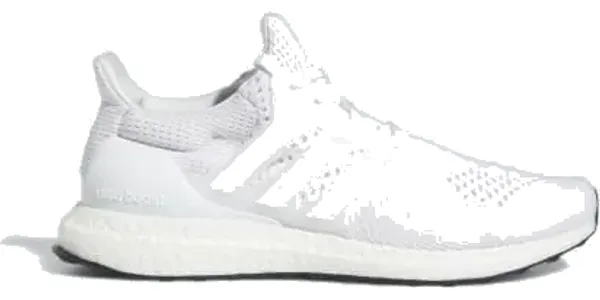 6 sources
Adidas
Men's lifestyle shoe · for everyday walking, travel and easy jogs, if you like soft cushioning and a sock-like knit
See price on Shopee ↗Read review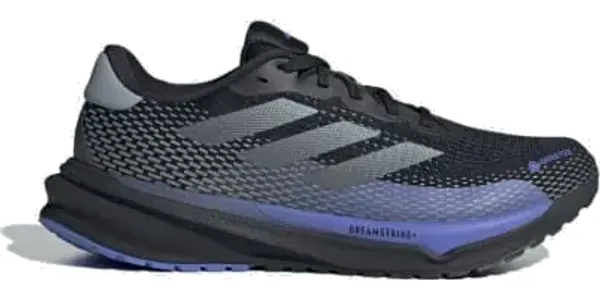 4 sources
Adidas
Men's and women's road running shoe · for runners who want to keep training on rainy days
See price on Shopee ↗Read review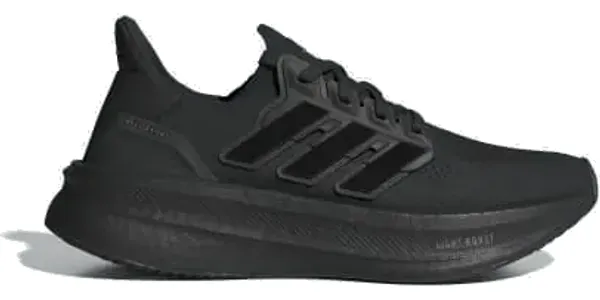 5 sources
Adidas
Men's and women's road running shoe · for people who want one pair for easy runs and all-day wear
See price on Shopee ↗Read review