Skip to content
8 sources

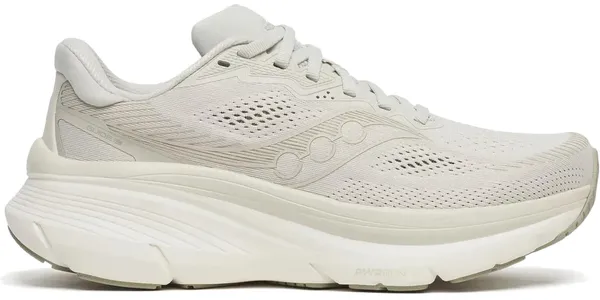
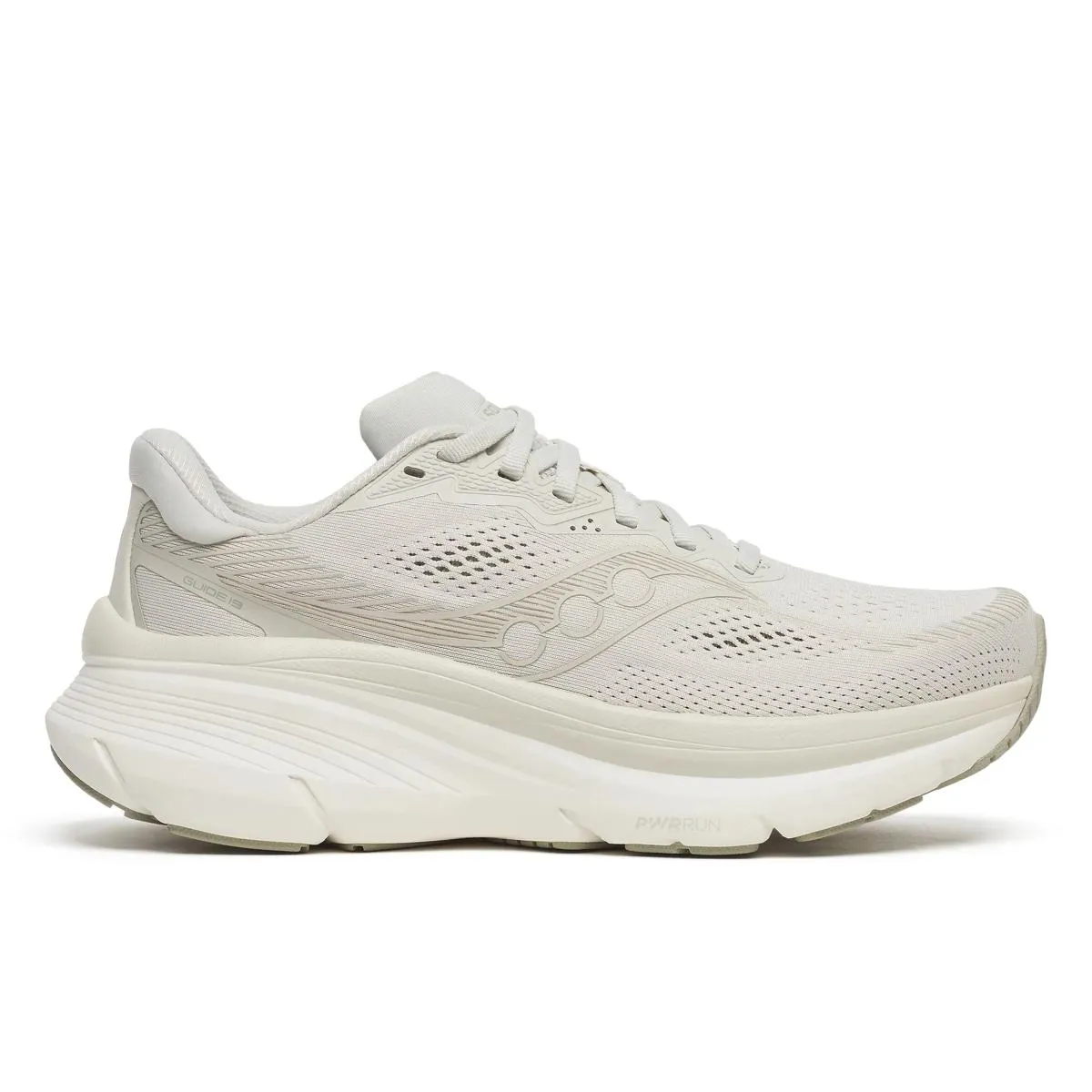
Saucony Guide 19

Road running shoe · for runners who want soft cushioning and a wide, gently guiding base on easy days

The short answer

Runners who want a soft, wide shoe with mild guidance for easy runs, recovery runs or walking, and who don't mind that the shoe is fairly heavy

Price & retailers

฿4,241Listed price · feed received · 2026-11-14

If you have a Shopee voucher

  • 10% codeabout ฿3,817
  • 20% codeabout ฿3,393
  • 30% codeabout ฿2,969

The real price depends on the vouchers in your account, their conditions and participating shops. Check the final total in your cart.

View on Shopee ↗

SAUCONYMALL

Colour & price scope

Price of this listing in the Shopee feed on the date shown. Other colours or sizes may differ; check the shop for the current price.

Feed retrieved 2026-11-14T08:42:03.807776+00:00 · The feed has no seller update time. Check the listing for the price and size you buy.

Is it right for you?

What stands out

  • A wide base with tall sidewalls along the sides of the foot: RTINGS says this creates a superbly sturdy base, and a Believe in the Run reviewer says that as far as stability goes, the shoe nails it
  • Softer foam than before: Alastair finds it significantly softer than the Guide 18, and RunRepeat found a major improvement in shock absorption over the previous version
  • Several sources find the length true to size with a roomy forefoot, and RunRepeat measured only 0.6 mm of damage in its lab test

Trade-offs

  • It is fairly heavy: Saucony lists 275 g, but RTINGS weighed a men's US 9 at 294.5 g and RunRepeat weighed 298 g, which RunRepeat considers too heavy for a modern daily trainer
  • Little rebound: RTINGS describes a flat, spiritless ride, and The Run Testers say it doesn't offer much when you try to pick up the pace
  • The guidance is mild and there is no firm medial post (a firmer piece of foam on the inner side of the sole, under the arch, that helps stop the foot rolling inward). Run To The Finish says those who really need a lot of arch support or true correction won't find it here
A steady shoe for easy miles: soft and wide, but heavy with little rebound

The Guide 19 suits days when you want to run easy and steady. Saucony describes it as a max-cushioned everyday shoe with PWRRUN foam and CenterPath, which uses sidewalls to guide the foot without feeling stiff. On steadiness, reviewers largely agree: RTINGS finds the tall sidewalls secure and says the wide platform creates a superbly sturdy base, and Doctors of Running describes a mild guidance shoe that relies on large sidewalls, a wide base and a rocker rather than traditional stability methods. Where opinions differ is the softer foam. Some like it for easy running and walking: Matt of Doctors of Running calls it a daily running/walking shoe with a softer midsole, and Run To The Finish found it the perfect choice for easy run/walks. But RTINGS describes a flat, spiritless ride, and a Believe in the Run reviewer felt the foot sink into the foam with every step with nothing given back. Weight is the other cost: RTINGS weighed 294.5 g and RunRepeat 298 g. The sources' verdicts differ accordingly. RunRepeat says it is undeniably heavy and the ride lacks excitement, but still calls it the best version Saucony has delivered so far. RTINGS considers the Hurricane 25 better for most runners because it is much more cushioned and bouncier, but calls the Guide 19 the better choice for runners whose feet tend to roll inward and who need as much support as possible. One Believe in the Run reviewer cannot recommend the Guide 19 and says to get the Hurricane instead, while Bach of Doctors of Running calls it by far the most versatile Guide Bach has run in, and Matt has mixed feelings. If you want a shoe for easy days and weight doesn't bother you, it's worth trying on. If you want a light shoe for days when you want to run faster, or obvious arch support, compare other kinds of shoe first.

Manufacturer information, lab findings, editorial reviews · View sources

Illustrative outsole texture

What people who wore it say

Testers most often mention the steadiness of the wide base and tall sidewalls, paid for with weight and little rebound. Some like the softer foam for easy running and walking, while others feel the foot sink in with nothing given back. Views on the right distance range from short recovery runs to long runs.

Saucony Guide 19 Review (2026) - Doctors of Running

Reviewer · Captured 2026-11-15

Bach of Doctors of Running (free pair, about 30 road miles, or about 48 km) says the Guide 19 is by far the most versatile version of the series Bach has run in.

Read source ↗

Saucony Guide 19 Review: Pulling In a Different Direction | Believe in the Run

Reviewer · Captured 2026-11-15

A Believe in the Run reviewer could feel the foot sinking into the softer PWRRUN with every step, but says it gave nothing in return.

Read source ↗

Saucony Guide 19 Review | No Notes, Stability Done Right - RunToTheFinish

Reviewer · Captured 2026-11-15

Run To The Finish, after 7 runs, says the Guide 19 has proven to be the perfect choice for easy run/walks.

Read source ↗

Saucony Guide 19: A Well-Cushioned Stability Daily Trainer | Running Lab

Source · Captured 2026-11-15

Blake, on Running Lab's staff, uses it for almost all running except very long miles, reaching for the Hurricane 25 for those, and expects it to last 300–500 miles (about 480–800 km).

Read source ↗

Saucony Guide 19 Shoe Review | Running Warehouse

Source · Captured 2026-11-15

Running Warehouse's staff testers found it true to size in length, with a slightly wider feel than they are used to, in a good way.

Read source ↗
Guide 19

Ready to choose?

฿4,241Listed price · feed received · 2026-11-14
View on Shopee ↗

Listing price; the listing may show a different colour.

Specifications

Gender
Women
Upper
A flexible mesh upper stretches with your stride, keeping the fit secure and comfortable all day.
Weight (g)
252
Cushioning
Max cushioning
Drop (mm)
6
Midsole
PWRRUN
Support
CenterPath Technology: Sidewalls guide your foot for balanced support, without feeling stiff—helping you stay in control
Forefoot stack (mm)
29
Heel stack (mm)
35

Men's Guide 19 - Running | Saucony · 2026-07-18

Specifications from manufacturer information and the listed sources

Common questions

Who is Guide 19 for?

Runners who want a soft, wide shoe with mild guidance for easy runs, recovery runs or walking, and who don't mind that the shoe is fairly heavy

What should I know about size and fit?

Every source that discusses sizing calls it true to size. RTINGS (men's US 9) finds the length spot-on and the arch and forefoot width superb; Matt of Doctors of Running says it fits true to size in Matt's normal men's US 10; RoadTrailRun (a women's US 9) and The Run Testers find it true to size with a roomy forefoot; Alastair says the fit follows the same blueprint as the Guide 18; and Running Warehouse says it is true to size in length. Whether the midfoot fits depends on your foot. One Doctors of Running tester found the midfoot just a touch wide and could feel the foot occasionally slipping slightly left to right on the run, but nothing that bothered the tester greatly. Run To The Finish's narrower-footed tester felt nice and snug with few lace adjustments. If your feet are narrow, lace up snugly and walk or jog a little to check whether your foot moves inside the shoe. If the Regular width feels tight through the midfoot, try the Wide on before buying.

What should I try or compare before buying?

When trying it on, wiggle your toes to check there is enough room at the sides and above, since RTINGS warns the forefoot might run too low for runners with taller toes (a raised top of the toes). Then lace it snugly and walk around to check that your heel stays put and the collar doesn't feel loose. If you normally use heel-lock lacing, try it that way in the shop, because Run To The Finish says the laces might come up a little short for it. If the Regular width feels tight, try the Wide. RTINGS and Saucony's pages list three widths for the Guide 19: Regular, Wide and Extra Wide, but RunRepeat notes that availability varies by country. Before buying, ask the shop which widths it has, and check the size-exchange terms. If it doesn't suit you, start from what bothered you. If you want a softer, bouncier ride, compare a cushion-focused stability shoe; RTINGS names the Hurricane 25. If you want clear support on the arch side, compare a shoe with a firm medial post; RTINGS and Doctors of Running name the Omni. If you want a shoe for days when you want to run faster, look for something lighter with more rebound.

The details that matter

Underfoot: softer PWRRUN, tall sidewalls, a very wide base and a slow-wearing outsole

The midsole uses PWRRUN foam, which Saucony says softens every step and gives back bounce. Doctors of Running describes the new PWRRUN as compression-molded EVA. There is no firm medial post like a typical stability shoe has. Instead, the shoe guides the foot with sidewalls raised along the sides of the foot, a wide base, a rocker and CenterPath, which Doctors of Running describes as asymmetrical components in the sole. Run To The Finish likes that there is no firm medial post, because you actually feel the cushion underfoot. The base really is very wide. RunRepeat measured an enormous 120.0 mm across the forefoot of the sole. At another point on the platform it measured 104.2 mm and calls it one of the broadest platforms it has ever measured in the lab. The trade-off, in RunRepeat's words, is a shoe that feels large, heavy and somewhat bulky underfoot. On durability, RunRepeat measured only 0.6 mm of damage in its lab test and expects impressive long-term durability, and Doctors of Running found almost zero wear after about 30 miles (about 48 km) of road use. On grip, Doctors of Running reports decent traction on dry and wet ground and says the outsole did fine on wet roads, but Alastair says wet traction isn't great, especially on painted road surfaces. If you often run after rain, take care on crossings and road markings.

Upper: a roomy forefoot, with differing reports on warmth

The upper is a mesh that Saucony says stretches with your stride and keeps the fit secure and comfortable all day. On room inside, The Run Testers report a noticeably roomy forefoot, RoadTrailRun and the retailer Running Lab describe room for the toes in both width and volume, and Running Warehouse's staff testers found it slightly wider than they are used to, in what they consider a good way. RTINGS, however, warns that the forefoot might run too low for runners with taller toes (a raised top of the toes), meaning the upper may sit too close to the top of the toes. On warmth, a Believe in the Run reviewer finds the new mesh thicker and warmer, though the same review says it won't suffocate you. Alastair says it could run a bit warm in hot conditions. The Run Testers say it remains breathable despite its slightly thicker construction. Smaller points: the rear pull loop is gone. Alastair says some Guide fans might miss it, and a Believe in the Run reviewer wants it back. Running Warehouse's staff found the ankle collar just a little low cut and insecure on first step-in, and RunRepeat notes there are no reflective elements, so add your own reflective gear for early-morning or night runs.

On the run: soft and steady at easy paces, with differing views on rebound

On softness, most testers find it softer. Alastair calls it significantly softer than the Guide 18; The Run Testers say earlier versions often felt a bit flat but this one feels softer and smoother; RoadTrailRun finds more bounce and a softer feel than its predecessors; and RunRepeat measured the foam at only 30.5 AC (AC is a hardness reading from an Asker C durometer; the lower the number, the softer the foam). Yet one Doctors of Running tester found this foam slightly firmer than the Guide 17 and 18. On rebound, RunRepeat measured energy return in the heel at 54.8%, lower than before, and in the forefoot at 61.4%, similar to before. Alastair says the softer platform brings a little less snap. The Believe in the Run review says the Guide 19 has no pop, no life and no energy, and one of its reviewers says the softer PWRRUN drove them crazy and they could not do anything in the shoe except run very slowly or walk. On running faster, The Run Testers say it performs best at easy paces and doesn't offer much when you try to pick up the pace. A Running Warehouse staff tester could see that for faster runners it might be a little too soft and too heavy to be worth it. RunRepeat says the shoe is limited mainly to easy-paced runs. On distance, views differ. One Doctors of Running tester says it is still plenty capable of long runs, but would likely prefer extra cushioning from something like the Hurricane for anything over an hour and a half. Blake, on Running Lab's staff, uses it for almost all running except very long miles, where Blake reaches for the Hurricane 25; Sidney from the same shop would grab it for long runs or recovery miles; and Courtney of RoadTrailRun sees it, personally, as a good short-distance recovery shoe.

Reading the numbers: what Saucony lists versus what testers weighed and measured

Saucony lists a 6 mm drop (the difference between sole thickness under the heel and under the forefoot), with a 35 mm heel stack and a 29 mm forefoot stack. RunRepeat measured 37.4 mm under the heel and 31.4 mm under the forefoot, which it calls noticeably taller than average at the forefoot, and measured a 6 mm drop, matching Saucony. RTINGS, measuring a men's US 9, found a 36.2 mm heel stack and a 6.7 mm drop. Running Lab's article lists a 39 mm heel, a 33 mm forefoot and a 6 mm drop. On weight, Saucony's men's page lists 275 g, and Doctors of Running, Believe in the Run and RoadTrailRun also list 275 g for a men's US 9; Saucony's women's Extra Wide page lists 252 g. On the scale, though, RTINGS weighed a men's US 9 at 294.5 g and Alastair lists 295 g, also for a men's US 9, about 20 g above the listed figure. RunRepeat weighed 298 g and reports a substantial 7% increase over the previous generation, and The Run Testers give 305 g for a men's UK 8. When comparing weight with other shoes, use measured figures at the same size. For this shoe, a men's US 9 comes in at about 295 g.

Weight: listed versus measured

Saucony lists 275 g, but RTINGS weighed a men's US 9 at 294.5 g and Alastair lists 295 g at the same size, about 20 g above the listed figure. When comparing with other shoes, use measured weights at the same size, and if weight matters to you, hold the shoes side by side when trying them on.

A 6 mm drop on a thick sole

Drop is the difference between sole thickness under the heel and under the forefoot. Saucony lists 6 mm and RunRepeat measured the same 6 mm, and RunRepeat calls the forefoot stack noticeably taller than average. These numbers describe the sole only, not which activity it suits; walk and jog in it to see whether you feel stable on a sole this thick.

How guidance differs from a firm medial post

The Guide 19 has no firm medial post; it uses tall sidewalls, a wide base and a rocker to guide the foot. Run To The Finish finds nothing over-corrective and says you actually feel the cushion, but also says those who really need a lot of arch support won't find it here. If you are used to a shoe with a firm medial post, try both on side by side before buying.

When trying it on: check room above the toes, the collar and the width

When trying it on, wiggle your toes to check there is enough room at the sides and above, since RTINGS warns the forefoot might run too low for runners with taller toes (a raised top of the toes). Then lace it snugly and walk around to check that your heel stays put and the collar doesn't feel loose. If you normally use heel-lock lacing, try it that way in the shop, because Run To The Finish says the laces might come up a little short for it. If the Regular width feels tight, try the Wide. RTINGS and Saucony's pages list three widths for the Guide 19: Regular, Wide and Extra Wide, but RunRepeat notes that availability varies by country. Before buying, ask the shop which widths it has, and check the size-exchange terms. If it doesn't suit you, start from what bothered you. If you want a softer, bouncier ride, compare a cushion-focused stability shoe; RTINGS names the Hurricane 25. If you want clear support on the arch side, compare a shoe with a firm medial post; RTINGS and Doctors of Running name the Omni. If you want a shoe for days when you want to run faster, look for something lighter with more rebound.

Size and fit: true to size in length; the midfoot depends on your foot

Every source that discusses sizing calls it true to size. RTINGS (men's US 9) finds the length spot-on and the arch and forefoot width superb; Matt of Doctors of Running says it fits true to size in Matt's normal men's US 10; RoadTrailRun (a women's US 9) and The Run Testers find it true to size with a roomy forefoot; Alastair says the fit follows the same blueprint as the Guide 18; and Running Warehouse says it is true to size in length. Whether the midfoot fits depends on your foot. One Doctors of Running tester found the midfoot just a touch wide and could feel the foot occasionally slipping slightly left to right on the run, but nothing that bothered the tester greatly. Run To The Finish's narrower-footed tester felt nice and snug with few lace adjustments. If your feet are narrow, lace up snugly and walk or jog a little to check whether your foot moves inside the shoe. If the Regular width feels tight through the midfoot, try the Wide on before buying.

60841W-S11058-104 · 2026-11-24 · Recorded sizes, not current stock

Other shoes to compare

If you want a softer, bouncier ride for long runs, compare a cushion-focused stability shoe; RTINGS names the Hurricane 25. If you want more support on the arch side, compare a shoe with a firm medial post; RTINGS and Doctors of Running name the Omni. Sources disagree on whether the Hurricane series gives more or less support than the Guide 19: Alastair says runners who need stronger pronation correction may need to look toward something like the Hurricane series, while RTINGS finds the Guide 19 noticeably more stable than the Hurricane 25 and the more aggressive support shoe compared with the Hurricane 26.

Explore more reviews
All 15 source records and our method

This review is built from Saucony's Guide 19 pages for the men's and women's shoe; lab results from RunRepeat and RTINGS; reviews from testers at six sites: Doctors of Running, Believe in the Run, RoadTrailRun, Run To The Finish, The Run Testers and Alastair Running; and staff reviews from Running Warehouse and Running Lab, retailers that sell the shoe. Saucony files the men's shoe under Stability and the women's under Max Cushioning. RTINGS buys its own pairs. Doctors of Running and RoadTrailRun received free pairs; RoadTrailRun's was a pre-release sample. RTINGS, Believe in the Run, RoadTrailRun, Run To The Finish, The Run Testers and Alastair Running disclose that they may earn affiliate commissions. The Doctors of Running testers each ran about 30 miles (about 48 km) on roads, and Run To The Finish did 7 runs in air temperatures from about -7 to 20 °C. Where sources disagree, we report each one as it tells it rather than merging them into a score.

This review combines the sources listed on this page. Most findings are at model level and may not cover every colour or size.