The details that matter
What's under your foot
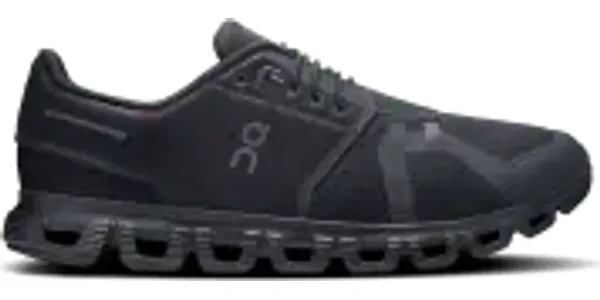
The sole is On's Zero-Gravity foam, shaped into separate pods called CloudTec with a split down the full length of the sole. The pods compress to cushion your foot as it lands. On says the foam now uses 50% bio-based materials, and the Trail and Kale reviewer felt it doesn't change the feel much. RunRepeat measured the foam as slightly firmer than average, and 30% firmer after exposure to cold, but says the ride doesn't feel firm at all because the CloudTec pods compress.
Inside the sole sits a nylon Speedboard, a stiff plastic plate that flexes and springs back with each step. It helps the shoe hold its shape and adds a little push. With the upturned toe (toe rocker), each step flows smoothly from heel to toe.
Rubber covers only the heel and forefoot; the midfoot is foam without rubber, with traction grooves. That rubber is very tough: in RunRepeat's test it wore just 0.5 mm, among the best results RunRepeat has recorded for walking shoes. The uncovered foam, though, is likely to wear before the rubber does.
The insole is only 3.4 mm thick and removable. RunRepeat notes you can swap in a better-padded, more supportive insert, and Trail and Kale suggests aftermarket insoles if you need more arch support.
Upper: breathable mesh, easy entry
The upper is recycled polyester mesh with TPU (plastic) overlays in places. From the midfoot forward it is open mesh, with a rubber strip at the tip for durability and to protect against stubbed toes. The tongue is sewn into the upper, so it doesn't slide around and you can just slip in.
On breathability the testers agree: RunRepeat scored breathability 4 out of 5, a tester prone to hot feet said it really helped, and it suits hot weather. RunRepeat says that this much breathability makes it an awful choice for cold days. If you need water protection, there is a separate Waterproof version.
The heel is padded. Testers found it snug and gentle on the Achilles. The heel counter (the stiff shell around the heel) folds easily, so it doesn't brace the heel much.
One point to know: the toe-box mesh has low abrasion resistance. RunRepeat sanded it for just 4 seconds and the fabric showed sizable damage. The logo and a few lines on the upper are reflective.
How it feels in use
The Cloud 6 suits city walking, workdays and travel. Several testers describe a smooth walk: the sole compresses as your foot lands, then gives a little pop forward. The theSkimm tester said it felt close to barefoot. The OutdoorGearLab tester needed a couple of days to get through the initial break-in, and otherwise found it comfortable right out of the box; the Treeline Review tester had no blisters or hot spots even from the first wear.
Where testers differ is whether the sole is soft enough. RunRepeat measured heel shock absorption below average (106 versus 111) and said it's great for walking around town or a quick supermarket trip, but that's pretty much it. The OutdoorGearLab tester regularly wears it for 12 hours with no sore feet, while Trail and Kale suggests people on their feet 10+ hours a day look at a shoe with better underfoot support. If you like a firmer but stable sole, it works all day. If you are used to very soft shoes, it may feel firm over long hours.
It works at the gym for light sessions without jumping or running, such as strength training. The theSkimm tester says your feet may shift a bit during more active wear, and skipped the sprints entirely in a workout class. For running, WearTesters says an occasional run of about 3 miles (roughly 5 km) is fine, but go much farther and the stiff Speedboard becomes uncomfortable.
On grip, RunRepeat found it reliable on dry and wet city surfaces, while WearTesters rated wet grip only okay but dependable elsewhere. The issue testers mention most is small stones wedging into the sole. OutdoorGearLab found grip solid on dirt trails, but Treeline Review often picked up stones in the tread when crossing dirt or gravel and rarely left paved surfaces because of it, whereas RunRepeat found the grooves shallower than the Cloud 5's and didn't pick up pebbles in its test.
How to read the numbers
Stack height: On lists 28 mm under the heel and 20 mm under the forefoot. Lab measurements are close (heel stack 28.3 mm at RunRepeat, 29.2 mm at RTINGS). RunRepeat rates it below average, and Treeline Review puts it at a little over half the HOKA Bondi SR. A sole this thin keeps your foot close to the ground and feels stable when standing, but absorbs less impact than a thick-soled shoe.
Drop (the difference between heel and forefoot sole thickness): On lists 8 mm, RunRepeat measured 8.8 mm, RTINGS 9.4 mm, and OutdoorGearLab lists 10 mm, so the sources don't agree exactly. Treeline Review says 8 mm is on the high side for a walking shoe but isn't noticeable while walking.
Weight: On lists about 266 g (9.4 oz) per men's shoe and about 215 g (7.6 oz) per women's shoe. Compare it with other shoes of the same gender version and a similar size. Several testers call it light, and RunRepeat says it doesn't feel bottom-heavy. OutdoorGearLab says it is slightly heavier than previous versions because of the extra room in the toe box and opening, yet it still feels agile.
Thin sole, 8 mm drop
The heel stack is about 28 mm, below average by RunRepeat's measure, so your foot sits close to the ground and feels stable, but the sole absorbs less impact than a thick-soled shoe. The listed 8 mm drop measured 8.8–9.4 mm in labs. When trying it on, stand and walk on a hard floor for a while to see whether this much sole is enough for you.
Weight: compare like with like
On lists about 266 g per men's shoe and 215 g per women's shoe. When trying it on, hold it next to the pair you wear now. Several testers say it feels light and agile.
Check width and lockdown
Toe-box width is average but toe-box height is above average. Wiggle your toes, check for side pressure, and walk briskly to see whether your heel lifts. If it's tight at the sides, try on the Wide version; if your foot slides, adjust the elastic-lace knots or use the regular laces included.
What to check when trying it on, and what to look at if it doesn't suit you
When you try it on, check three things.
1) Slip it on without your hands. The OutdoorGearLab tester needed one hand to avoid crushing the heel.
2) Walk briskly and turn. See whether your foot slides inside. If it does, tighten the knots at the ends of the elastic laces, or swap in the regular laces from the box.
3) Stand for a while and see whether the sole feels too firm for you.
For better underfoot support, Trail and Kale suggests the On Cloudsurfer 2 or Cloudsurfer Max. If you also want to run, WearTesters says the Cloud 6 Push is the best version for running. If you often walk fast, far or on uneven ground, Treeline Review recommends a shoe with more stability and support, and doesn't recommend this one for heavy walking or walks that move onto gravel or trails.
Size and fit
Most testers found the length true to size: RunRepeat, OutdoorGearLab, Treeline Review (women's regular size), Trail and Kale and WearTesters. Start with your usual size.
On width, opinions differ. RunRepeat calls it true to size and width and accommodating for a medium-width foot, unlike the Cloud 5. WearTesters says it is wider than previous Cloud models and wide-foot friendly. The theSkimm tester has standard-width feet and had no fit problems, but says the shoe skews slightly narrow, so it might be less comfortable for wider feet. OutdoorGearLab says it is not great for wide feet.
RunRepeat measured the toe box at 72.1 mm wide at the big toe, which is average, and 28.2 mm tall, above average, so the toes have room to move without pressure.
If the regular version feels tight at the sides, On makes a men's Wide version; try both on before buying. At the heel, testers found it snug, but the theSkimm tester says feet may shift a bit during more active wear, and skipped sprints in a workout class. If you like to fine-tune fit with laces, swap in the regular laces from the box.
4142.544.54546
3MF10070106 · 2026-11-24 · Recorded sizes, not current stock