Skip to content
8 sources

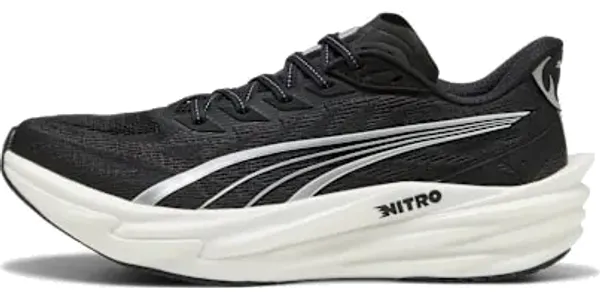
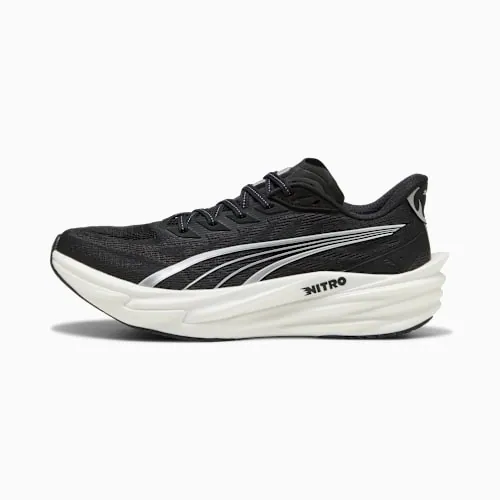
PUMA Deviate NITRO 4

Men's road running shoe · A plated trainer for tempo sessions and faster days

The short answer

Runners who don't need a shoe that guides or supports the foot (a neutral shoe), want one plated shoe for tempo sessions and faster days, like a firm ride with a stiff forefoot, and find on a test run that they can push off through the shoe's forefoot smoothly without forcing it

Price & retailers

฿6,200Listed price · feed received · 2026-11-14

If you have a Shopee voucher

  • 10% codeabout ฿5,580
  • 20% codeabout ฿4,960
  • 30% codeabout ฿4,340

The real price depends on the vouchers in your account, their conditions and participating shops. Check the final total in your cart.

View on Shopee ↗

PUMA

Colour & price scope

Price of this listing in the Shopee feed on the date shown. Other colours or sizes may differ; check the shop for the current price.

Feed retrieved 2026-11-14T08:42:03.807776+00:00 · The feed has no seller update time. Check the listing for the price and size you buy.

Is it right for you?

What stands out

  • PUMAGRIP rubber scored an outstanding result in RunRepeat's lab traction test, and testers from Canadian Running and The Run Testers who ran in rain, snow or slush say it gripped well
  • A stiff, quick forefoot: David of Doctors of Running found it feels best at tempo pace and faster, and Steve of Run Bulldog Run says it gets more fun when he wants to run faster
  • Roomier than version 3: Meg of Believe in the Run (women's shoe) says PUMA widened the Deviate line and notes a slightly wider fit; Andrea of Doctors of Running (women's shoe) couldn't run in version 3's narrow toe box but likes version 4's wider, squarer toe box; and Marley of Canadian Running notes noticeably more give in the upper
  • A secure upper: David (Doctors of Running) had no heel slippage, Thomas (Believe in the Run) found the ankle lockdown secure, and Marley ran more than 100 km without blisters or hot spots

Trade-offs

  • The plate makes the forefoot very stiff; RunRepeat measured it stiffer than many marathon racing shoes and says runners who prefer a flexible shoe may be disappointed
  • Opinions differ on slow running: some wearers are comfortable on easy days, but Andrea, who tested the women's shoe for Doctors of Running, felt like she was fighting the stiff forefoot even at easy pace
  • RunRepeat gave the toe-box mesh and heel lining the lowest score on its abrasion scale, while Steve of Run Bulldog Run says the upper is holding up at about 200 miles
  • RunRepeat measured the toe box narrower than average and says it isn't a good match for wide feet; it is a neutral shoe that RunRepeat doesn't recommend for runners with pronation issues (the foot rolling too far as it lands)
A firm, stiff-fronted speed trainer: try a run first to see if it suits how you land and push off

PUMA's men's Deviate NITRO 4 (style 312123) is a road shoe with a carbon-composite PWRPLATE, a stiff plate set inside the NITROFOAM midsole. PUMA Thailand says it is 15 g lighter than the previous version and designed for everything from tempo sessions to race day. This isn't a soft, deep-cushioned shoe. Marley, Meg and RTINGS describe a firm, controlled ride and a quick forefoot, while David, RunRepeat, Solereview and Steve find the foam soft and well cushioned. David of Doctors of Running (men's US 9.5) found it feels best at tempo pace and faster, and RTINGS sees it as a faster training shoe rather than a top marathon pick. Whether it suits you depends on whether you get on with a very stiff forefoot. RunRepeat measured 22.7 N to bend it to 30 degrees, more than many marathon racing shoes. David says that if the forefoot rocker (the upward curve under the forefoot) lines up with the joints at the base of your toes, the ride flows; if not, it can feel like you have to push your way over the plate. Andrea, who tested the women's shoe for the same site, had the second experience and afterwards kept her runs short and easy. Runners it suits are clearly positive. Steve Speirs of Run Bulldog Run has run about 200 miles in it and calls it his current favourite shoe for everything except race day, and Marley Dickinson of Canadian Running ran more than 100 km without blisters or hot spots. Marley and Nick of The Run Testers both ran on wet or snowy ground, and both say the PUMAGRIP outsole grips well.

Manufacturer information, lab findings, editorial reviews, wearer reviews · View sources

Illustrative outsole texture

What people who wore it say

Testers who give their size found their usual size worked, and those who ran in rain, snow or slush praise the grip. They differ on the stiff forefoot: some run in it at both easy and fast paces, while Andrea (women's shoe) felt she was fighting the stiff forefoot even when running easy.

Doctors of Running

Source · Captured 2026-11-15

David of Doctors of Running (pair supplied free by PUMA) wore men's US 9.5: true to size, slightly snug, with a slightly wide forefoot. The thick PUMA logo overlay put slight pressure on the outside of his foot each time he put the shoe on, but he forgot about it after a few miles.

Read source ↗

Believe in the Run

Source · Captured 2026-11-15

Thomas of Believe in the Run (men's US 10.5, tested through winter) found it true to size, with secure ankle lockdown and a very comfortable gusseted tongue (stitched to the sides of the upper). The new top foam feels softer, but Thomas says the ride still leans more 'racy' than cushioned.

Read source ↗

Canadian Running Magazine

Source · Captured 2026-11-15

Marley Dickinson of Canadian Running ran more than 100 km over more than a month in snow, rain and on the treadmill with no blisters, hot spots or comfort issues, and the minor arch rubbing Marley had on longer runs in the previous version didn't return.

Read source ↗

Run Bulldog Run

Source · Captured 2026-11-15

Steve Speirs of Run Bulldog Run has run about 200 miles in it for easy, recovery, long and faster runs, and calls it his current favourite shoe for everything except race day.

Read source ↗

The Run Testers

Source · Captured 2026-11-15

Nick, Tom and Kieran of The Run Testers generally found it fit well in their normal size. Nick did a progression run (gradually speeding up) in a snowy spell in the UK and found it gripped well in wet and slush, but Kieran felt the heel-to-toe transition was a little slow.

Read source ↗
Deviate NITRO 4

Ready to choose?

฿6,200Listed price · feed received · 2026-11-14
View on Shopee ↗

Listing price; the listing may show a different colour.

Specifications

Gender
Men
Midsole
พื้นรองเท้าชั้นกลาง: 100% สังเคราะห์
Outsole
พื้นรองเท้าชั้นนอก: 100% ยาง
Upper
ส่วนบน: 67% ผ้า, 30% สังเคราะห์, 3% หนังวัว

th.puma.com · 2026-11-24

Specifications from manufacturer information and the listed sources

Common questions

Who is Deviate NITRO 4 for?

Runners who don't need a shoe that guides or supports the foot (a neutral shoe), want one plated shoe for tempo sessions and faster days, like a firm ride with a stiff forefoot, and find on a test run that they can push off through the shoe's forefoot smoothly without forcing it

What should I know about size and fit?

Testers who give their size found their usual size worked. David of Doctors of Running (men's US 9.5) found it true to size, slightly snug and slightly low in volume, normal width at the heel and midfoot, slightly wide in the forefoot, with no heel slippage. Thomas of Believe in the Run (men's US 10.5) found it true to size, with laces that make fine-tuning easy. The three testers at The Run Testers generally found it fit well in their normal size. Several sources say it is wider than version 3. Meg of Believe in the Run (women's shoe) says PUMA widened the Deviate line after runners found earlier versions narrow, and notes a slightly wider fit. Andrea of Doctors of Running (women's shoe) couldn't run in version 3 because its toe box was so narrow, but found version 4's forefoot wide enough to avoid pressure at the base of her big and little toes; she found the midfoot on the narrow side. The lab gives a different picture. RunRepeat measured the toe box at 70.6 mm wide (against a 73.2 mm average across the 369 shoes it has measured) and says it isn't a good match for wide feet, though its 26.1 mm toe-box height should suit most runners. Solereview finds the forefoot and midfoot snug with a shallow ceiling and the shoe slightly long, yet recommends your usual size. It suggests a half size down only for elite runners or short races under 10K, at the cost of comfort over longer distances as the foot swells. So 'wider' means wider than version 3, not a wide-fitting shoe. If your feet are wide, try it on first and check that your toes can move, the sides don't squeeze and your heel stays put.

What should I try or compare before buying?

David and Andrea of Doctors of Running (David tested the men's shoe, Andrea the women's) both say this is a shoe to test-run before you buy. If you can, do a short run at easy and faster pace and notice whether you push off through the shoe's forefoot smoothly or feel you have to force your way over the plate. Check whether the logo overlay presses on the outside of your foot and, if your feet are wide, that your toes can move and the sides don't squeeze. If you're buying online, check the return or exchange terms first, because forefoot feel is where testers disagree most. If you want a more flexible shoe, RunRepeat and RTINGS recommend other PUMA models instead. RunRepeat sees the Velocity NITRO 4 as smoother and more versatile, and RTINGS calls the unplated Deviate Pure NITRO a better daily trainer with a more flexible forefoot. For serious racing, RTINGS recommends the Deviate NITRO Elite 4. Solereview estimates that runners over 86 kg (190 lb) may compress the soft forefoot foam all the way. If that's you, notice on a test run whether the forefoot still feels cushioned.

The details that matter

Two foam layers and a plate that is very stiff under the forefoot

PUMA states that the midsole is NITROFOAM with a carbon-composite PWRPLATE inside (PUMA's US page calls it a carbon fibre plate), the outsole is PUMAGRIP rubber, and the insole is textile. Independent reviews explain that the foam comes in two layers: a softer one on top, next to the foot, and a firmer one below, touching the ground, with the plate between them. They name the foams differently. Believe in the Run's spec box says the top layer is 100% PEBAX, while its tester Thomas calls it a PEBA blend, and Canadian Running describes the bottom layer as a PEBA/EVA blend. Doctors of Running, RunRepeat, RTINGS and Solereview say the forefoot is stiff. RunRepeat measured 70.0% energy return in the forefoot but only 58.1% in the heel, so it thinks the ride suits midfoot and forefoot strikers slightly better. Solereview sees it from another angle: heel strikers get soft landings thanks to the thick insole and the softer top foam near the foot, while the filled-up heel and firm base stop the midsole compressing too much. Andrea of Doctors of Running (women's shoe) explains that the midfoot has no outsole rubber, so the foam there compresses more. Paired with the stiff forefoot, Andrea felt she had to work her calves harder to push off. David, who tested the men's shoe for the same site, says it works well enough for him, though he would like a touch more forefoot flex.

A new, more forgiving mesh that dries fast but wore quickly in the lab

PUMA says the upper uses at least 20% recycled material. PUMA Thailand lists the upper as 67% textile, 30% synthetic and 3% cow leather, with a textile lining. RunRepeat notes that PUMA swapped the knit for an engineered mesh. Marley Dickinson of Canadian Running found noticeably more give in the upper. With the previous version Marley had minor rubbing at the arch on longer runs; after more than a month of training in version 4, that hasn't happened. Thomas of Believe in the Run calls the gusseted tongue (stitched to the sides of the upper) very comfortable, and Steve of Run Bulldog Run particularly likes the tongue too. RunRepeat found it semi-gusseted, which helps create a secure lockdown, but says its edges look somewhat rough for the price. David of Doctors of Running felt slight pressure from the thick PUMA logo overlay on the outside of his foot every time he put the shoe on, but forgot about it after a few miles. When you try it on, stand and walk for a while and notice the outside of your foot where the overlay sits. In RunRepeat's lab, breathability was moderate but drying was excellent, with 63% of moisture evaporating during its 3-hour test. The weak point RunRepeat stresses is abrasion: the toe-box mesh and heel lining both scored 1 out of 5, the lowest on its scale. Steve, at about 200 miles, says the upper is still holding up nicely. Thomas, who tested through winter, praises the breathability, and Meg (women's shoe) calls the upper light and breathable.

More rewarding as the pace rises, with differing views on easy running

Several testers like it best at speed. The Run Testers found version 4 a lot better at faster paces than version 3. David of Doctors of Running says it can run at all paces but likes to go fast, and feels best at tempo pace and faster; the modest heel bevel feels a touch bumpy at easy paces. RTINGS rates it a good option for 5K and 10K racing, but says it isn't especially built for the demands of long-distance racing. On slow running, opinions clearly differ. Steve of Run Bulldog Run uses it for easy, recovery and long runs. The Run Testers say there is just enough cushioning underfoot for long, relaxed runs, and Marley of Canadian Running says the composite plate keeps it forgiving on easy days. But Andrea of Doctors of Running (women's shoe) felt like she was fighting the stiff forefoot even at easy pace, and her perceived effort at marathon to half-marathon pace was much higher. For long runs, RunRepeat finds the cushioning slightly limited compared with today's max-stack super trainers, and RTINGS says its moderate stack doesn't absorb impact over long distances as well as modern marathon racing shoes. Some find it unexciting. The Run Testers say it doesn't feel as exciting as some competitors, and Kieran found the heel-to-toe transition a little slow. Marley describes a ride that is firm and controlled rather than soft and mushy. On wet grip, four testers say the same. Marley, who tested in snow and rain, says it grips on wet roads, light snow and mixed terrain. Nick of The Run Testers did a progression run (gradually speeding up) during a snowy spell and says it gripped well in wet and slush. Meg of Believe in the Run (women's shoe) reaches for her Pumas whenever it rains, and Andrea (women's shoe) reports excellent traction on wet roads, grass and dirt. On outsole wear, David says the rubber seems durable and has barely worn. Andrea (women's shoe) saw no visible wear on the rubber, only a little wear on the exposed foam at the outer midfoot. Steve says the outsole is holding up at about 200 miles, and RunRepeat measured less outsole wear than average.

Reading the numbers: stack, drop and weight by source

PUMA Thailand lists a 38 mm heel stack, a 30 mm forefoot stack, an 8 mm drop and 250 g at UK 8. PUMA's US page gives the same figures. Stack height is how thick the sole is at each point; drop is the difference between the sole thickness under the heel and under the forefoot. Neither tells you whether the foam is soft or firm. RunRepeat cut the shoe in half and measured 33.6 mm under the heel, 26.6 mm under the forefoot and a 7.0 mm drop, and says it feels lower than 38 mm on the run. RTINGS measured a men's US 9 at 35.2 mm under the heel with a 7.0 mm drop. Solereview's spec table lists 36 mm heel, 28 mm forefoot and an 8 mm drop. PUMA lists 250 g (UK 8), and the labs weighed 244–247 g (RTINGS weighed a men's US 9). Bigger sizes weigh more: Believe in the Run lists 270 g at US 10.5. When comparing with another shoe, compare at the same size. PUMA Thailand lists this product's width as 'regular'. On wide versions, sources disagree: RTINGS says wide versions exist for men and women, and RunRepeat lists Normal and Wide, but Solereview lists a single standard width. If you need a wide fit, check that the seller's product page says Wide, then try it on before buying.

Drop and stack height

PUMA states a 38 mm heel and 30 mm forefoot stack with an 8 mm drop; RunRepeat's cut-in-half measurement gave 33.6 mm heel, 26.6 mm forefoot and a 7.0 mm drop. That is lower than PUMA states, and RunRepeat says it feels lower than 38 mm on the run. None of these numbers tells you whether the foam is soft or firm; how the forefoot feels on a test run tells you more.

Forefoot stiffness

RunRepeat measured 22.7 N to flex it to 30 degrees, a very high figure. It shows how hard the shoe is to bend, not whether you'll like it; David (men's shoe) and Andrea (women's shoe) of Doctors of Running felt it differently, so test-run it to see whether it suits how you land and push off.

Weight by size

PUMA lists 250 g at UK 8. Measured on a scale, RTINGS got 244.4 g (men's US 9) and RunRepeat 247 g; other figures in the reviews are printed spec weights. When comparing with another shoe, compare at the same size.

Before you buy: check on a run that you push off through the forefoot smoothly

David and Andrea of Doctors of Running (David tested the men's shoe, Andrea the women's) both say this is a shoe to test-run before you buy. If you can, do a short run at easy and faster pace and notice whether you push off through the shoe's forefoot smoothly or feel you have to force your way over the plate. Check whether the logo overlay presses on the outside of your foot and, if your feet are wide, that your toes can move and the sides don't squeeze. If you're buying online, check the return or exchange terms first, because forefoot feel is where testers disagree most. If you want a more flexible shoe, RunRepeat and RTINGS recommend other PUMA models instead. RunRepeat sees the Velocity NITRO 4 as smoother and more versatile, and RTINGS calls the unplated Deviate Pure NITRO a better daily trainer with a more flexible forefoot. For serious racing, RTINGS recommends the Deviate NITRO Elite 4. Solereview estimates that runners over 86 kg (190 lb) may compress the soft forefoot foam all the way. If that's you, notice on a test run whether the forefoot still feels cushioned.

Usual size worked for testers; roomier than version 3, but the toe box still measures narrower than average

Testers who give their size found their usual size worked. David of Doctors of Running (men's US 9.5) found it true to size, slightly snug and slightly low in volume, normal width at the heel and midfoot, slightly wide in the forefoot, with no heel slippage. Thomas of Believe in the Run (men's US 10.5) found it true to size, with laces that make fine-tuning easy. The three testers at The Run Testers generally found it fit well in their normal size. Several sources say it is wider than version 3. Meg of Believe in the Run (women's shoe) says PUMA widened the Deviate line after runners found earlier versions narrow, and notes a slightly wider fit. Andrea of Doctors of Running (women's shoe) couldn't run in version 3 because its toe box was so narrow, but found version 4's forefoot wide enough to avoid pressure at the base of her big and little toes; she found the midfoot on the narrow side. The lab gives a different picture. RunRepeat measured the toe box at 70.6 mm wide (against a 73.2 mm average across the 369 shoes it has measured) and says it isn't a good match for wide feet, though its 26.1 mm toe-box height should suit most runners. Solereview finds the forefoot and midfoot snug with a shallow ceiling and the shoe slightly long, yet recommends your usual size. It suggests a half size down only for elite runners or short races under 10K, at the cost of comfort over longer distances as the foot swells. So 'wider' means wider than version 3, not a wide-fitting shoe. If your feet are wide, try it on first and check that your toes can move, the sides don't squeeze and your heel stays put.

312123-01 · 2026-11-24 · Recorded sizes, not current stock

Other shoes to compare

If you want a more flexible forefoot or mostly run easy, compare unplated or more flexible trainers; RunRepeat and RTINGS recommend PUMA's Velocity NITRO 4 and Deviate Pure NITRO instead. For serious racing, RTINGS recommends the Deviate NITRO Elite 4.

Explore more reviews
All 11 source records and our method

This review combines PUMA's product pages with 8 independent reviews. Identity, materials and specs come from the PUMA Thailand page (men's style 312123, colour 312123_19 Ultra Red-PUMA Silver) and the PUMA US page, captured on 15 Nov 2026. The independent reviews are of three kinds: lab results from RunRepeat (May 2026) and RTINGS (Mar 2026, updated Oct 2026; bought its pair, tested men's US 9 in black/white/silver); Solereview's analysis (Aug 2026; bought at full retail price); and runs by Doctors of Running (Jan 2026; pairs supplied free by PUMA), Believe in the Run (Jan 2026), Canadian Running (Feb 2026), The Run Testers and the Run Bulldog Run blog (Oct 2026; about 200 miles). Several sites use affiliate links, as they disclose. Women's-shoe testers are labelled whenever cited.

This review combines the sources listed on this page. Most findings are at model level and may not cover every colour or size.