The details that matter
What sits under your foot
Inside is an OrthoLite insole. Converse says it is there for all-day comfort. SoleFeed says this insole, together with the wider last, makes the shoe much more comfortable than a standard Chuck.
The outsole uses the original brick pattern.
SoleFeed says it is fine for casual wear but has a flatter Converse feel. If you need all-day support, add an insole or look at another model instead.
Canvas, mesh lining and the collar
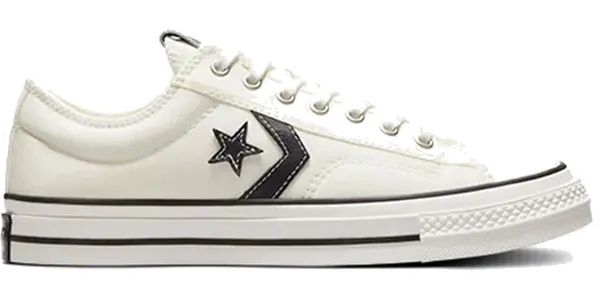
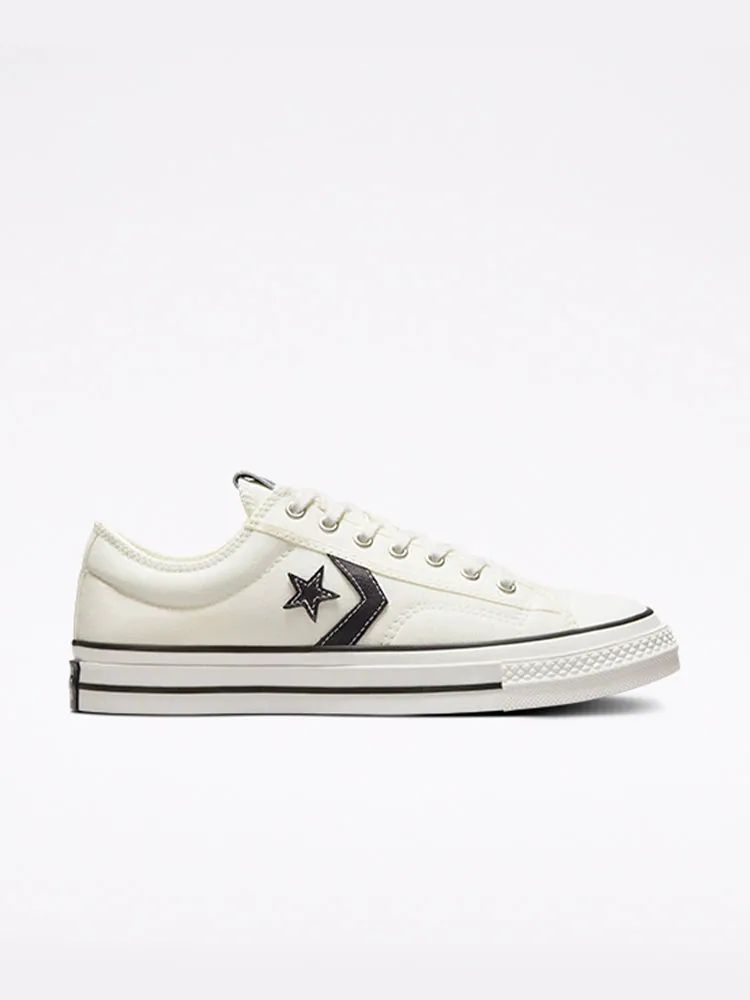
The upper is cotton canvas, which Converse calls heavyweight canvas and Sneaker Freaker describes as crisp. Inside is a mesh lining that Converse says adds breathability, the collar around the ankle is cushioned, and it keeps the classic Star Chevron logo.
Converse positions it as a slightly more structured, vintage-court alternative to the Chuck Taylor. SoleFeed says that extra shape makes it look slightly dressier.
Worth knowing: even though the collar is cushioned, several owners of the high-top say its top rim was stiff at first, rubbing the heel or Achilles into blisters. It eased after a week or two of wear, and thicker socks helped in the meantime.
How it feels day to day
This shoe is made for everyday wear, light walking, travel and casual outings.
Converse and Sneaker Freaker say the OrthoLite is there for all-day comfort and the mesh lining adds breathability. SoleFeed finds it much more comfortable than a standard Chuck, but says it suits simple everyday outfits better than long walking days.
High-top owners say the collar rubbed the heel at first, but once broken in, they call them genuinely comfortable.
Specs and how to check them in store
Converse does not list weight, drop (the difference in sole thickness between heel and forefoot) or stack height. What the product page lists is OrthoLite cushioning, a mesh lining, a canvas upper and an original brick-pattern outsole.
When you try them on in a store, lift them to compare their weight with the sneakers you usually wear, then walk a lap to see whether the sole feels too flat for your longer walking days.
Compare the weight by hand
When you try them on in a store, lift them to compare their weight with the sneakers you usually wear.
Walk to check whether the sole feels too flat
SoleFeed says the OrthoLite insole helps comfort, but it still has a flatter Converse feel. Walk around the store for a while. If you need all-day support, plan on adding an insole or choosing another model.
Check the forefoot and heel
Start with your usual size. Check that your toes can move, the sides don't press, and the collar doesn't rub your heel or Achilles, since several high-top owners found a stiff rim early on.
What to check on try-on, and what to compare
Check three things when you try them on:
1. Does the collar rub your heel or Achilles? (Several high-top owners found this early on.)
2. Can your toes move, without pressure on the sides?
3. Walk for a while and see whether the sole supports your foot enough for how you will use it.
For heritage purity, SoleFeed points to the Chuck 70. On price, SoleFeed says retail is fair if you want this exact retro basketball look, and suggests comparing sale prices with the Chuck 70 and One Star. If you'll be on your feet all day or often wear shoes in the rain, this isn't the right pair; look at a support sneaker or a waterproof shoe instead.
Size and fit
SoleFeed calls it true to size and says plainly not to size down. Owners also say it fits the same as a Chuck 70.
SoleFeed says it is wider and roomier than the Chuck 70, and the forefoot is roomier than many narrow court shoes, so wider feet are reasonably comfortable.
SoleFeed notes that some Converse models run large. If you usually size down in Chuck Taylors, don't size down here yet; check the retailer's sizing advice before ordering.
WHITE US 6WHITE US 7WHITE US 8WHITE US 9WHITE US 10WHITE US 11
star-player-76-canvas-a01608cm-h2wtxx · 2026-11-24 · Recorded sizes, not current stock