Skip to content
5 sources

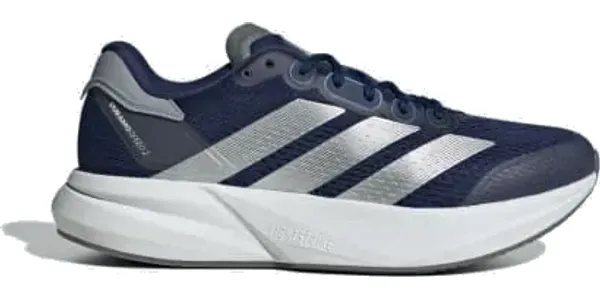
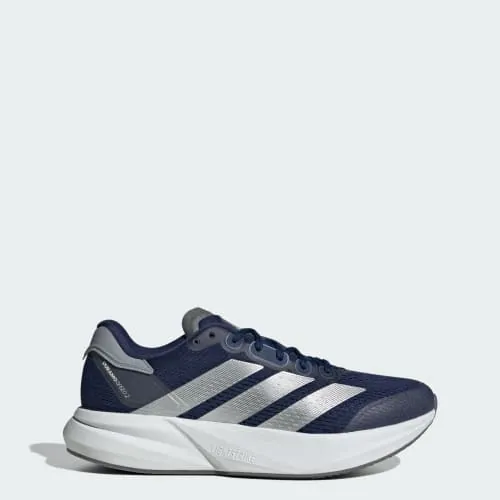
Adidas Duramo Speed 2

Men's and women's road running shoe · for runners who want an affordable everyday trainer with a firm, stable ride

The short answer

An everyday road trainer for beginners and short-to-medium runs, for runners who like a fairly firm, stable shoe with some ground feel. RunJudge says it isn't ideal for racing, and the Middle Age Marathoner writer wouldn't use it for race day or track sessions.

Price & retailers

฿2,880Listed price · feed received · 2026-11-14

If you have a Shopee voucher

  • 10% codeabout ฿2,592
  • 20% codeabout ฿2,304
  • 30% codeabout ฿2,016

The real price depends on the vouchers in your account, their conditions and participating shops. Check the final total in your cart.

View on Shopee ↗

adidas Official Store

Colour & price scope

Price of this listing in the Shopee feed on the date shown. Other colours or sizes may differ; check the shop for the current price.

Feed retrieved 2026-11-14T08:42:03.807776+00:00 · The feed has no seller update time. Check the listing for the price and size you buy.

ADIDAS · Brand store ↗

Is it right for you?

What stands out

  • Durable, grippy outsole: RunRepeat measured only 0.7 mm of rubber wear in its test, with solid traction on dry and wet surfaces.
  • Good breathability: RunRepeat scored it 4/5, and the Middle Age Marathoner writer's feet never overheated on warm runs.
  • True to size and comfortable from day one, with no break-in needed.
  • RunRepeat finds it stable for midfoot and forefoot strikers, and the sole resists twisting even without a plate.

Trade-offs

  • Firm and not bouncy: RunRepeat measured energy return well below average. If you want bounce, look at other shoes.
  • The heel base is narrow (85.9 mm), so heel strikers may find it less reassuring.
  • The upper's toebox scored 2/5 for durability in the lab; if your big toe tends to wear holes in shoes, this could become an issue over time. The toe box is also fairly low. Heavy daily users and runners who like room above their toes should try it on carefully.
Who the Duramo Speed 2 suits

Despite the Speed in its name, most reviewers see the Duramo Speed 2 as a durable, dependable everyday trainer rather than a shoe for days when you want to run fast. adidas positions it for everything from daily training to a 10K, but RunJudge says it isn't ideal for racing, and the Middle Age Marathoner writer wouldn't use it on race day. Its strengths are the basics done well: a durable, grippy outsole, good breathability, true-to-size fit and comfort from day one. The trade-off is a fairly firm ride with little bounce. RunRepeat says the midsole feels flat and lacks energy, while the Middle Age Marathoner writer, after more than 100 miles (about 160 km), liked that it is firm enough to feel stable but soft enough to protect tired legs. It suits beginners, easy-to-medium training runs and runners whose one training shoe has to cover the whole week. If you prefer soft, bouncy cushioning, or you land on your heel and want a wide heel base, compare other shoes first.

Manufacturer information, lab findings, editorial reviews · View sources

Illustrative outsole texture

What people who wore it say

The common themes are day-one comfort, true-to-size fit, good breathability and a durable, grippy outsole. Opinions on the ride differ: the writer using it for recovery and medium runs liked its steady firmness, while RunRepeat's team found it flat and unbouncy and raised upper-durability concerns for heavy use.

Comfort and Versatility at a Budget-Friendly Price Point: adidas Duramo Speed 2 Review

Reviewer · Captured 2026-11-21

Middle Age Marathoner: from the first run, it fit well, felt good underfoot and needed no break-in.

Read source ↗

Comfort and Versatility at a Budget-Friendly Price Point: adidas Duramo Speed 2 Review

Reviewer · Captured 2026-11-21

Middle Age Marathoner: after 100+ miles (about 160 km), the midsole felt as responsive as in week one.

Read source ↗

Comfort and Versatility at a Budget-Friendly Price Point: adidas Duramo Speed 2 Review

Reviewer · Captured 2026-11-21

Middle Age Marathoner: ran in warm spring conditions and their feet never felt overheated.

Read source ↗

Cut in half: adidas Duramo Speed 2 Review (2026)

Source · Captured 2026-11-21

RunRepeat (test team): the midsole feels flat and lacks energy.

Read source ↗

adidas Duramo Speed 2 review (UK edition)

Source · Captured 2026-11-21

34 RunRepeat users voted that it fits true to size.

Read source ↗
Duramo Speed 2

Ready to choose?

฿2,880Listed price · feed received · 2026-11-14
View on Shopee ↗

Listing price; the listing may show a different colour.

Specifications

Gender
Men
Cushioning
forefoot 96 SA, more ground feel
Drop (mm)
6.5
Midsole
Lightstrike midsole; trade-offs acceptable at price
Outsole
exposed Lightstrike midfoot with large rubber patches heel and forefoot
Support
stable for midfoot/forefoot strikers; narrow rearfoot less reassuring for heel strikers
Forefoot stack (mm)
24.9
Heel stack (mm)
33
Upper
denser, more structured mesh than v1 with secondary inner layer
Weight (g)
258

www.adidas.co.th · 2026-11-24

Specifications from manufacturer information and the listed sources

Common questions

Who is Duramo Speed 2 for?

An everyday road trainer for beginners and short-to-medium runs, for runners who like a fairly firm, stable shoe with some ground feel. RunJudge says it isn't ideal for racing, and the Middle Age Marathoner writer wouldn't use it for race day or track sessions.

What should I know about size and fit?

RunRepeat rates it true to size, and 34 users voting on RunRepeat's review page agree. The Middle Age Marathoner writer says it fit perfectly right out of the box. Width: RunRepeat measured the toe box width at 74.7 mm, just slightly above its lab average, giving a standard fit that is neither narrow nor wide. The interior width at the widest point, measured with a gel mold, is 96.5 mm, mid-range. The Middle Age Marathoner writer, wearing custom orthotics, found it snug through the midfoot with enough room in the toe box. Height: the toe box is low at 23.0 mm, which may feel restrictive if you like vertical room for your toes. adidas Thailand lists regular width only. If you have wide feet or a high instep, try it on and check the exchange policy before buying.

What should I try or compare before buying?

When you try it on, wiggle your toes up and down. The toe box is low (RunRepeat measured 23.0 mm). If the tops of your toes touch the upper, it may get uncomfortable on longer runs. Lace it snugly and check whether the laces press anywhere on the top of your foot through the thin tongue. If you land on your heel, jog a few steps in the store and notice whether the heel wobbles, because the heel base is much narrower than the forefoot. If you use custom insoles, bring them: the stock 3.9 mm Ortholite insole is removable, and the Middle Age Marathoner writer found the fit still dialed in with custom orthotics. If it doesn't suit you, look for what's missing. For softer cushioning, look at trainers with softer foam. For bounce when you pick up the pace, look at shoes with higher energy return. Heel strikers should look at a wider heel base, and runners who want more room above their toes should look at a taller toe box.

The details that matter

What's underfoot and how it feels

The midsole is full Lightstrike foam with no plate (a stiff layer embedded in the sole). This is not the Lightstrike Pro used in more expensive models. RunRepeat measured the foam at 45.6 AC (a foam hardness unit; higher is firmer), clearly firmer than average, and energy return at 44.7% in the heel and 49.4% in the forefoot, well below average and behind many standard EVA foams. So the ride feels stable but doesn't spring back. Heel shock absorption measured 121 SA (higher means more shock absorption), up from 111 SA on the first version; the forefoot measured 96 SA, which RunRepeat says will appeal to runners who like ground feel. adidas describes the outsole as all-surface TPU and rubber. There are large rubber patches under the heel and forefoot, with a small area of exposed foam in the midfoot. RunRepeat measured 2.5 mm of rubber, only 0.7 mm of wear in its test, and a forefoot traction score of 0.56, a strong result for a budget shoe. The sole resists twisting (17.4 Nm) despite having no plate; RunRepeat credits the outsole and firm foam. Bending stiffness is average (14.8 N).

Upper: breathability, lockdown and what to know

The upper is engineered mesh combined with synthetic material, with a synthetic and textile lining. adidas says it contains at least 20% recycled materials. RunRepeat found the mesh denser and more structured than on the first version, feeling less airy on foot, with internal reinforcements for support, yet it still scored 4/5 for breathability, suitable year-round. The Middle Age Marathoner writer's feet never overheated on warm runs, and they found the upper flexible and secure. The tongue is only 2.9 mm thick, which keeps weight down but feels less plush than a thick tongue. It isn't gusseted (not stitched to the sides of the shoe). Thin laces run through reinforced eyelets, a simple and durable setup. The heel counter (the stiff structure around the heel) rated 3/5 for stiffness, which RunRepeat sees as a sensible balance of structure and comfort. On durability, the upper's toebox scored 2/5 in the lab abrasion test. If your big toe tends to wear holes in your shoes, keep this in mind. The heel padding scored 3/5, slightly better than the toebox, but RunRepeat says it still falls short of great durability. The three stripes are reflective, which helps you stay visible in low light.

How it runs

The Middle Age Marathoner writer ran more than 100 miles (about 160 km) in it during marathon training, mostly recovery runs, medium-effort 6–10 mile runs (about 10–16 km) and short tempo workouts. They say it fit well and felt good from the first run. On recovery days the foam took the edge off without feeling mushy, and the shoe held its own during moderate pickups and progression runs. After 100+ miles the midsole felt as responsive as in week one, but they wouldn't use it for track sessions or race day. RunRepeat sees the ride differently: they found the midsole flat and lacking energy, a mismatch for a shoe named Speed. The two views come from different uses. For easy-to-medium runs, the firm, steady ride is a plus; if you want bounce when you pick up the pace, you'll miss it. On racing, RunJudge says it isn't ideal, and suggests it for paces of roughly 4:45–6:30 min/km. The ride is traditional, with just enough toe spring to smooth transitions without an intrusive curve. RunRepeat says midfoot and forefoot strikers will feel stable thanks to the 118.1 mm wide forefoot base, but the heel is only 85.9 mm wide, so heel strikers may find it less reassuring. adidas designs it for road running. The Middle Age Marathoner writer also ran it on crushed gravel and grass, and reported solid grip on wet pavement and light gravel.

How to read this shoe's numbers

Drop (the difference between heel and forefoot sole thickness): the adidas spec cited by reviewers is 6.5 mm. adidas Thailand's product pages show 6 mm and 7 mm on different product codes, and RunRepeat measured 8.1 mm, 1.6 mm above spec. All of these are mid-range drops, so don't fixate on one number; check whether your landing feels natural when you try it. Stack: the spec cited by reviewers is 34.9 mm at the heel and 28.4 mm at the forefoot, up from the first version's listed 29 mm heel and 23 mm forefoot. adidas Thailand shows 35 mm heel and 28 mm forefoot on one product code, and 33 mm heel and 27 mm forefoot on another. RunRepeat measured 33.0 mm at the heel, which it says gives decent protection without bulk, and 24.9 mm at the forefoot, below its lab average. Thickness isn't softness: this shoe has a moderate stack with firm foam. Weight: most sources don't state a size. The two size-qualified figures are nearly identical: 270 g at UK 8.5 in the cited spec, and 9.5 oz (about 269 g) at men's size 9 from the Middle Age Marathoner writer. RunRepeat weighed 258 g, and adidas Thailand shows 277 g and 230 g on different product codes. Compare weights with other shoes only at the same size, or pick it up next to your current pair when you try it in store.

Drop: judge the landing, not one number

Drop is the difference between heel and forefoot sole thickness. The spec says 6.5 mm, RunRepeat measured 8.1 mm, and adidas Thailand shows 6–7 mm depending on product code; all are mid-range. When trying it, jog a few steps and notice how your calves and Achilles feel compared with your current pair.

Moderate stack, firm foam

RunRepeat measured 33.0 mm at the heel, enough protection without bulk, and 24.9 mm at the forefoot, below its lab average. With foam at 45.6 AC, thickness doesn't mean softness. When trying it, rock onto your forefoot and see whether you feel too much of the ground.

Weight: compare at the same size

Listed weights range from 230 to 277 g. The size-qualified figures are 270 g at UK 8.5 and about 269 g at men's size 9. Compare with other shoes only at the same size, or hold it next to your current pair in store.

What to check when trying it on, and what to compare

When you try it on, wiggle your toes up and down. The toe box is low (RunRepeat measured 23.0 mm). If the tops of your toes touch the upper, it may get uncomfortable on longer runs. Lace it snugly and check whether the laces press anywhere on the top of your foot through the thin tongue. If you land on your heel, jog a few steps in the store and notice whether the heel wobbles, because the heel base is much narrower than the forefoot. If you use custom insoles, bring them: the stock 3.9 mm Ortholite insole is removable, and the Middle Age Marathoner writer found the fit still dialed in with custom orthotics. If it doesn't suit you, look for what's missing. For softer cushioning, look at trainers with softer foam. For bounce when you pick up the pace, look at shoes with higher energy return. Heel strikers should look at a wider heel base, and runners who want more room above their toes should look at a taller toe box.

Size and fit

RunRepeat rates it true to size, and 34 users voting on RunRepeat's review page agree. The Middle Age Marathoner writer says it fit perfectly right out of the box. Width: RunRepeat measured the toe box width at 74.7 mm, just slightly above its lab average, giving a standard fit that is neither narrow nor wide. The interior width at the widest point, measured with a gel mold, is 96.5 mm, mid-range. The Middle Age Marathoner writer, wearing custom orthotics, found it snug through the midfoot with enough room in the toe box. Height: the toe box is low at 23.0 mm, which may feel restrictive if you like vertical room for your toes. adidas Thailand lists regular width only. If you have wide feet or a high instep, try it on and check the exchange policy before buying.

3.5 UK4 UK4.5 UK5 UK5.5 UK6 UK6.5 UK7 UK7.5 UK8 UK8.5 UK9 UK9.5 UK10 UK10.5 UK11 UK11.5 UK12 UK12.5 UK13 UK13.5 UK14 UK14.5 UK

JS4415 · 2026-11-24 · Recorded sizes, not current stock

Other shoes to compare

If this pair doesn't suit you, choose by what you want more of. RunJudge notes the adidas Supernova Rise 3 has a softer ride, the ASICS Gel Pulse 16 offers similar value with a softer feel, the Nike Pegasus 41 is more versatile with a livelier ride, and the New Balance Fresh Foam X 880 v15 is a firmer, more traditional trainer. For heavy daily use, RunRepeat suggests looking for a more durable upper with a taller toe box.

Explore more reviews
All 7 source records and our method

This review combines adidas Thailand's product pages, RunRepeat's cut-in-half lab test (2026), a 100+ mile wear test by the Middle Age Marathoner writer, RunJudge's editorial summary, and Daily Running Co's spec-based preview written before running in the shoe.

This review combines the sources listed on this page. Most findings are at model level and may not cover every colour or size.